See the steps below to plan the right work for your roof.
Put people ahead of the roof
When a roof problem is urgent, start with safety. If a person is in danger, get to a safe place and call 911. Fire, a gas smell, a fallen wire, or signs of collapse need the right help at once. A roof call cannot replace that help.
You do not have to know the full cause to make a useful call. Say what you see, hear, or smell. Say if anyone is hurt or still in the unsafe area. Do what the responder tells you. Do not go back for roof photos, tools, or belongings. Skip this if it means entering a place you were told to leave.
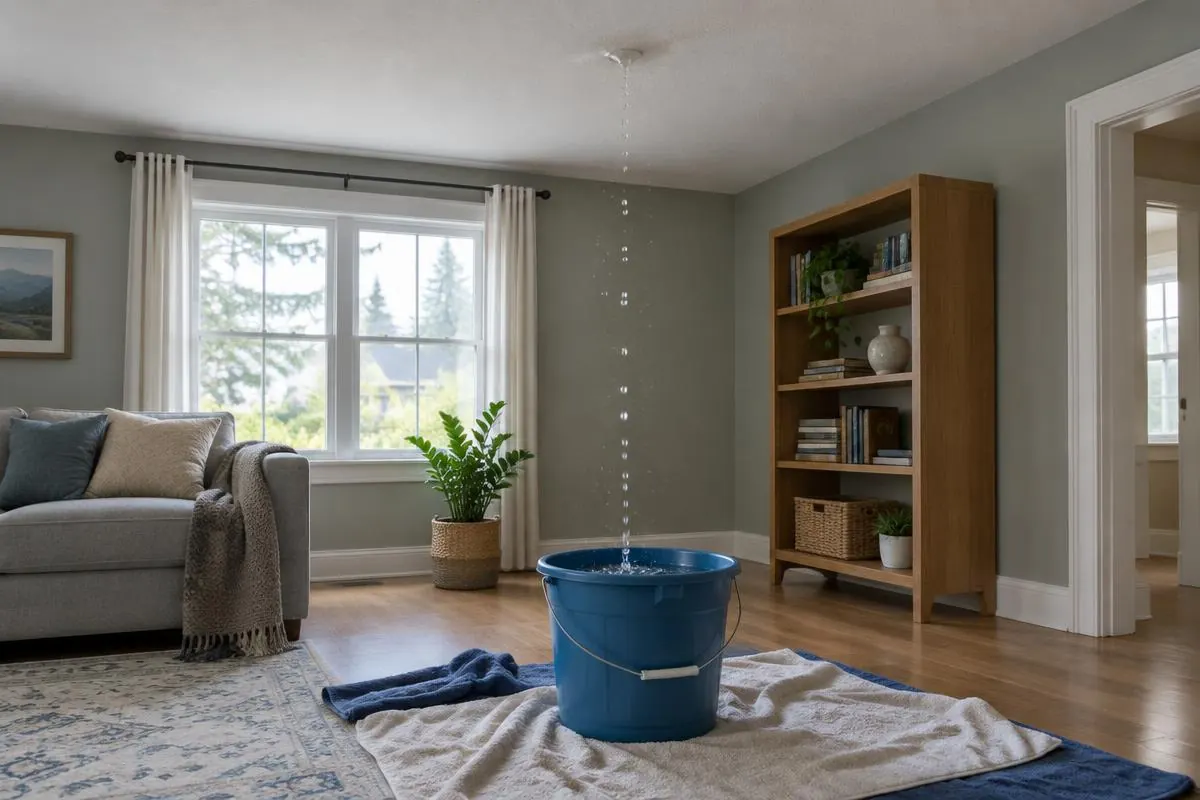
Pick the right first call
Use the concern you can confirm. This table does not tell you that a building is safe to occupy. Follow local emergency directions.
| What is happening | First priority | Roof work comes after |
|---|---|---|
| A life threat, fire, gas smell, or possible collapse | Get to safety and call 911. | Responders address the immediate danger. |
| A fallen or damaged power line | Keep well clear and report it. | The utility or authorities make the area safe. |
| Water at lights, wiring, or power gear | Keep clear and seek help from an electrician. | The electrical risk has been addressed. |
| Active roof water with no observed life hazard | Contact a licensed roofer and describe the facts. | A clear scope and safe access are established. |
First help follows the hazard
- 1Life threat, fire, or collapse
Move clear and call 911.
- 2Fallen wires or wet power
Stay away; seek utility or electrical help.
- 3Roof water
Use safe indoor facts for a roofer review.
Pause outdoor checks while storms remain
Stay in safe shelter when thunder or lightning is present. The National Weather Service gives a clear rule. Wait at least 30 minutes after the last thunder or lightning before going back outside. The end of rain is not the same as the end of the threat. Keep listening to current alerts and local instructions.
Do not use a porch, a small shed, or a tree as your storm shelter. A sturdy building or a hard-topped vehicle is a safer lightning option. If the home itself has become unsafe, follow emergency advice about where to go. Do not step into danger to check whether a shingle blew off. The roof record can wait until you are safe.
Treat wet power gear as a separate hazard
Water near a light, outlet, cord, or appliance changes the situation. Keep clear of the area and tell the person you call. CDC warns not to touch or use power gear while standing in water. Do not cross a wet floor to reach the main switch. Ask a licensed electrician or the utility for the help needed.
Do not assume the power is off just because a light went out. Do not test a wet switch to see if it works. If wet equipment needs to be checked, leave that task to the right expert. A roof repair may stop water entry. It does not tell you that wet wires and lights are safe to use.
Tell Us About Your Roof
Tell us what needs attention.
Give a sagging ceiling room
Keep people and pets out from under a bowed or sagging ceiling. Do not press it, drain it, or try to pull it down. FEMA warns that water may be trapped in a sagging ceiling. Damaged floors can be unsafe too. A room that looks partly dry can still have a hazard above or beside it.
You do not need to inspect that area at close range. Describe the shape and any change from a safe place. You may hear a new crack or see material move. If you think collapse may be near, move away and seek emergency help. Do not stand in a doorway beside the damage just to get a better picture. Safe distance matters more than a complete record.
Choose only low-risk indoor steps
Once the area is safe, you may be able to move dry items away from water. Do this only from firm, dry floor space and without going below damaged material. Do not move an item if it is plugged in, wet, heavy, or hard to reach. Wait for help if the task could put you at risk.
If you are unsure about the room, keep it closed off and ask for guidance. You do not have to catch every drip to have taken a useful step. Moving people out, making a call, and giving a clear account can be the most important work you do. Leave attic entry and opening walls or ceilings to people trained for that work.
Leave the roof and overhead debris alone
Do not climb onto a wet or damaged roof. Do not try to nail down a tarp. Do not reach a branch with a pole or pull loose metal from a ladder. A quick-looking task can involve an unsafe surface, wind, hidden damage, or power lines. Tell the roofer or emergency responder what is overhead and keep others out from beneath it.
If a branch or tree is on the building, ask which trained crew needs to assess it. The roof and tree may need a planned sequence of work. Do not tug at the branch from the ground to see whether it is loose. Also stay clear of debris touching wires. NWS advises staying away from downed power lines and reporting them to the authorities.
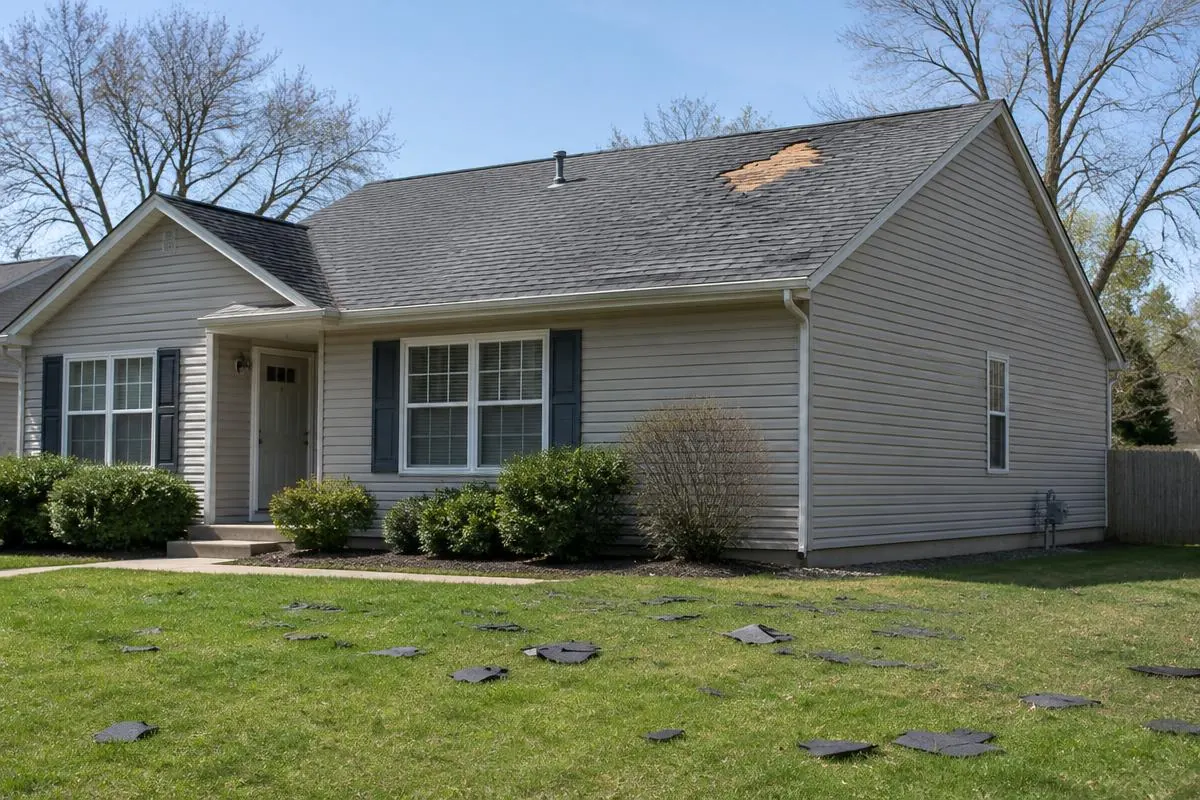
Make the first roofing call brief
Once urgent risks are being handled, call a licensed roofer about the roof. Start with the location and the problem now. Say if water is entering or part of the roof looks open. Say if access may be blocked too. Describe hazards before roof materials. This helps them plan the next step.
Ask what the visit includes. Ask what it leaves out. Ask which task is being planned. Is it a check, a short-term cover, or a final repair? These can be distinct tasks. Ask about any charge and terms before you approve the work. Do not assume that the word ‘emergency’ means a set arrival time or that someone has agreed to come.
Tell us where the leak, wear, or damage needs attention.
Keep one small call record
Write the business name, person you spoke with, time of the call, and what they said. If they give a time range, record it as a range. Ask what to do if the condition gets worse before a visit. Keep the safety directions with the name of the responder. Keep the roof work plan with the roofer's name.
If more than one adult is making calls, choose a main contact. Share the facts you know with each other. This reduces mixed messages about access or approved work. You may rent, or the building may have a manager. Notify the right person as soon as you can safely do so. Be clear about who can authorize work on the home.
Use a short call note
Here is a sample you can adapt from safe shelter: “Water is coming into the back room. We have kept that room clear. I do not know where the roof leak starts. There is no safe view of the back roof from here. What can your visit cover?” Put a life hazard first if there is one. Call 911 for that threat rather than use this sample as a roofing call.
Ask the person to repeat the agreed next step. Write it in your own words. For example: "I will wait for your call before any roof work starts." The answer may only be that they will call back. Record that too. Do not mark the visit as booked until the business confirms it.
Understand temporary protection
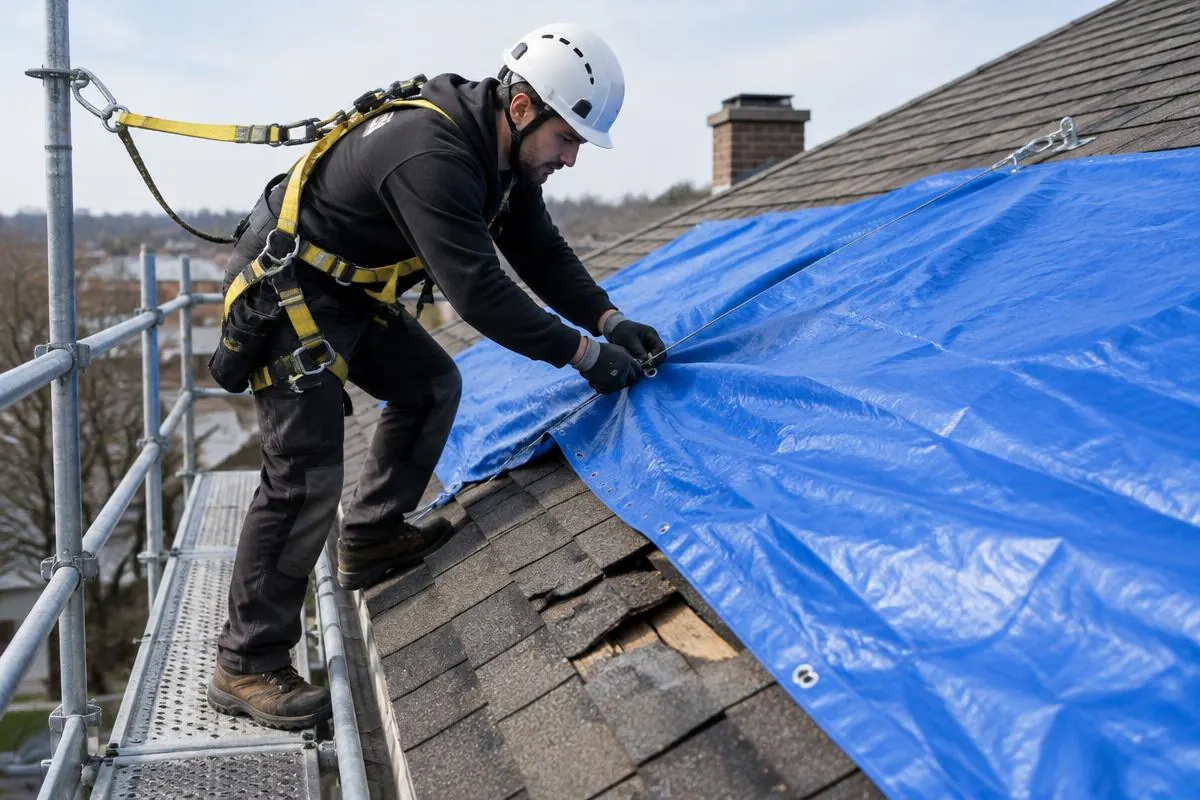
Short-term work may help keep water out until a full check or repair can take place. Ask the roofer to write down the goal and its limits. What area will it cover? What remains open? What conditions would call for another visit? A temporary step should come with a plan for the next decision.
Do not treat a cover or a dry room as proof that the final repair is complete. Keep the temporary scope, photos, and any next appointment together. Ask who will remove or replace temporary materials when the lasting work is done. Do not inspect, adjust, or add to the roof cover yourself. Report changes from a safe place instead.
Share a useful set of facts
When it is safe, note the rooms affected and the time you first saw the problem. Write whether water is still entering. Add a simple description of what can be seen from the ground. Keep unknowns clear: ‘I cannot see the back slope’ is useful information. A made-up answer may send the first review in the wrong direction.
Send only photos that help explain the work. Keep private papers, faces, and account details out of view. You do not need to provide a full house history during an urgent call. Focus first on safety, active water, access, and who can approve the next step. Other records can follow when the immediate situation is under control.
Temporary is not final
- 1Short-term cover
Record the area protected and its limits.
- 2Roof findings
Ask what remains to be checked.
- 3Final plan
Name repairs and any separate indoor work.
Check who you are hiring
Urgency can make a vague promise sound like enough. Ask for the actual business name and verify the roofing license information. State consumer advice says to check who you hire and get written terms. Ask who will be on site, what work is approved, and how a change will be handled. Save the answer.
Do not sign a scope you cannot understand because someone says you must decide at once. Ask what immediate task is needed. Ask whether the larger repair can be reviewed as a separate choice. The aim is to get needed help with clear terms. One urgent visit should not turn into work you have not agreed to.
Plan the next handoff
After the immediate hazard is addressed, list what remains. The roof may need a full assessment. Wet rooms may need drying and repair. An electrician may need to clear wet equipment. Each task may need a different person. Write down a contact and next step for each open item.
Keep the timeline short and factual. Note what happened, what help arrived, what work was done, and what is still pending. If conditions change, tell the relevant person using fresh facts. Do not wait for a planned roofing visit if a new life hazard appears. Change your plan when the risk changes.
Emergency roof repair in Peoria: the key steps

Read the full transcript
Emergency roof repair in Peoria.
Move clear of danger.
Call 911 for a life threat, fire, gas smell,
or signs that the home may collapse.
Stay away from wet lights and wires.
Do not cross water to reach a switch.
Seek help from an electrician.
Stay in safe shelter during lightning.
Wait at least thirty minutes
after the last thunder or lightning before outdoor checks.
Do not climb or tarp the roof yourself.
Tell a licensed roofer about active water and access hazards.
Ask what temporary work covers and what comes next.
Keep the agreed scope and a contact for changes.
Your questions, answered.
Should I go onto the roof with a tarp?
No. Leave roof access and temporary covers to trained professionals. Wet surfaces, wind, power lines, and hidden damage can make the task unsafe. Tell the roofer what you can see from safe ground or indoors without trying to secure the roof yourself.
Should I shut off power when water reaches a light?
Do not touch wet gear or cross standing water to reach a switch. Keep clear and seek help from a licensed electrician or the utility. Call 911 if there is an immediate danger. Follow the directions given for your situation.
Can I poke a hole in a bulging ceiling?
Do not stand under it or try to release the water. Keep the room clear and report the sagging area. The ceiling and the space above it need a safe assessment by people equipped for that work.
What if a roofer cannot come right away?
Ask about the next available step and what their visit can cover. Keep people out of unsafe areas and seek the right emergency help for hazards. Do not stay in danger while you wait for a roof visit.
Does temporary protection mean the roof is fixed?
No. Ask what the temporary work is meant to do, what its limits are, and what still needs assessment. Keep a written next step for the lasting repair and any indoor, electrical, or structural concerns.