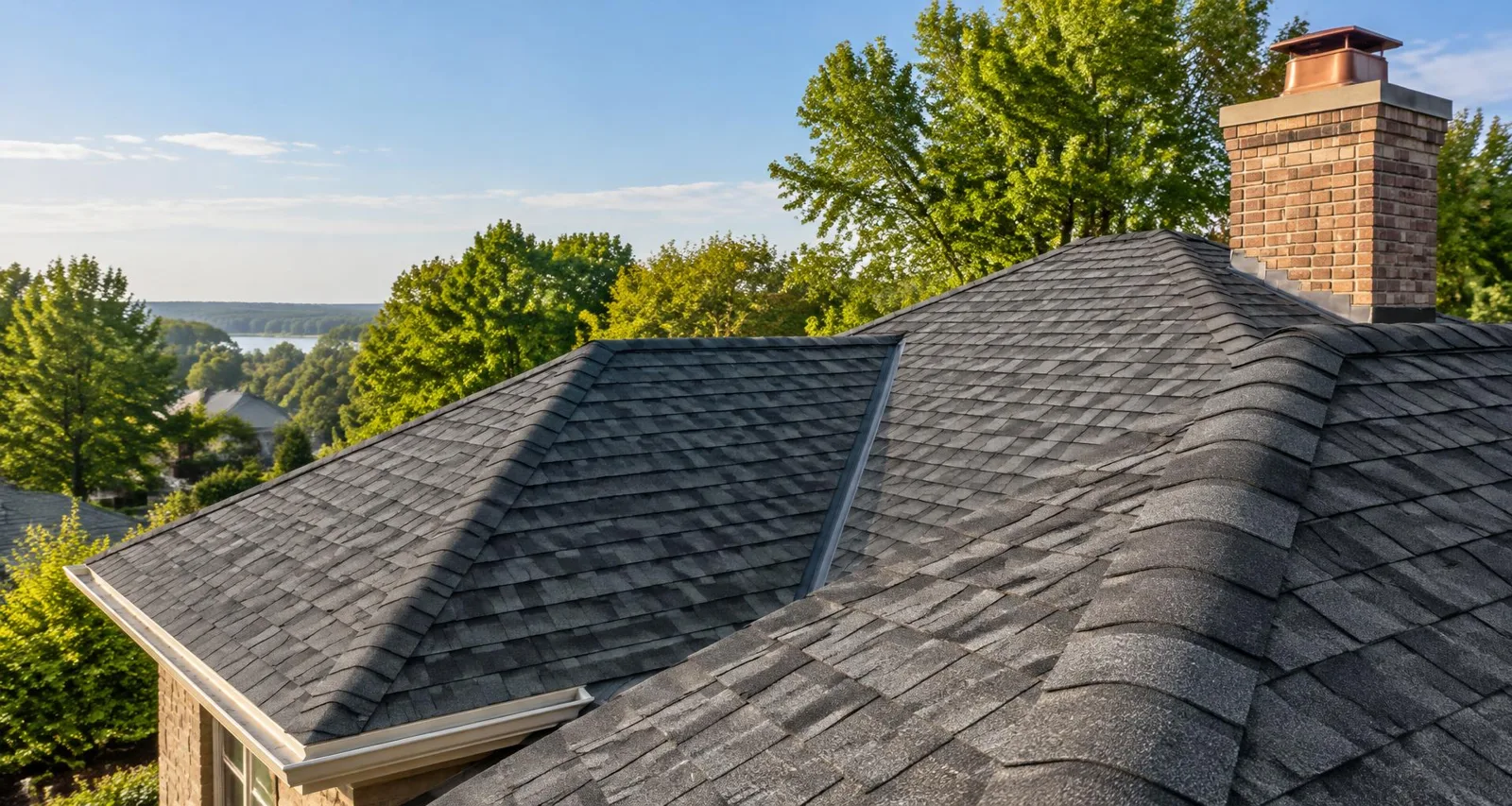
Leaks, repairs, and replacement: where to start.
A roof problem needs a clear next step, not a rushed choice. Peoria Roofing Help helps you sort what you see, learn what to ask, and plan a talk with a roofer. Start with the risk. Then check the cause, the scope of work, and the terms before you choose.
Peoria Roofing Help: Start With the Need
Is water coming in now, or have you found a stain that seems dry? Those needs call for different first steps. Keep people clear of wet rooms and loose ceiling parts. For a dry stain, note its size and place. A roofer can check whether the roof is the source before you choose work.
You do not need to pick repair or replacement before you ask for help. Share what changed, where you saw it, and whether it has happened more than once. Ask for an inspection that explains the cause. The goal is a sound plan for your roof, not just a name for the mark.
When Water Is Coming In
Move rugs and small items out of the wet area if you can do so safely. Catch drips only where the ceiling looks firm and there is no power risk. Stay away from a bulge or sag. Do not poke the ceiling. Keep clear of wet lights, cords, outlets, and switches in the room.
Tell a roofer that water is coming in, not just that you want a roof quote. Describe the room, the spread, and any sag you can see from a safe spot. Ask what short-term steps may limit harm and what full repair may be needed. Do not climb up or try to place a tarp.
Look for Signs From a Safe Spot
From the ground, look for bare spots, loose pieces, or roof edges that seem bent. Indoors, note peeling paint, damp trim, or marks near a vent. These signs help guide a check, but they do not prove the cause. A patch of roof that looks fine from below may still have a fault.
Take photos from a safe place and write down which room sits below each mark. Include one wide view and one close view of indoor damage. Do not lean out a window for a better shot. If the stain grows, record that change. Clear notes help a roofer trace the issue with less guesswork.
Choose the next step
- 1A sign with no clear cause
Ask for findings before choosing work.
- 2A defined damaged area
Ask how the repair reaches sound roof.
- 3Widespread roof faults
Compare a full roof scope and limits.
Choose an Inspection When the Cause Is Unclear
An inspection is a useful next step when you have a sign but no clear cause. Ask what the roofer will check and what you will get back. Roof surfaces, edges, vents, and joints may all need a look. If indoor access is needed, agree on the rooms and safe entry points first.
Ask the roofer to sort the findings into work needed now, work that can wait, and items to watch. Each finding should have a reason you can grasp. A photo with a plain note is more useful than a vague claim that the roof is bad. Ask what could not be checked, too.
Tell Us About Your Roof
Tell us what needs attention.
When a Repair May Make Sense
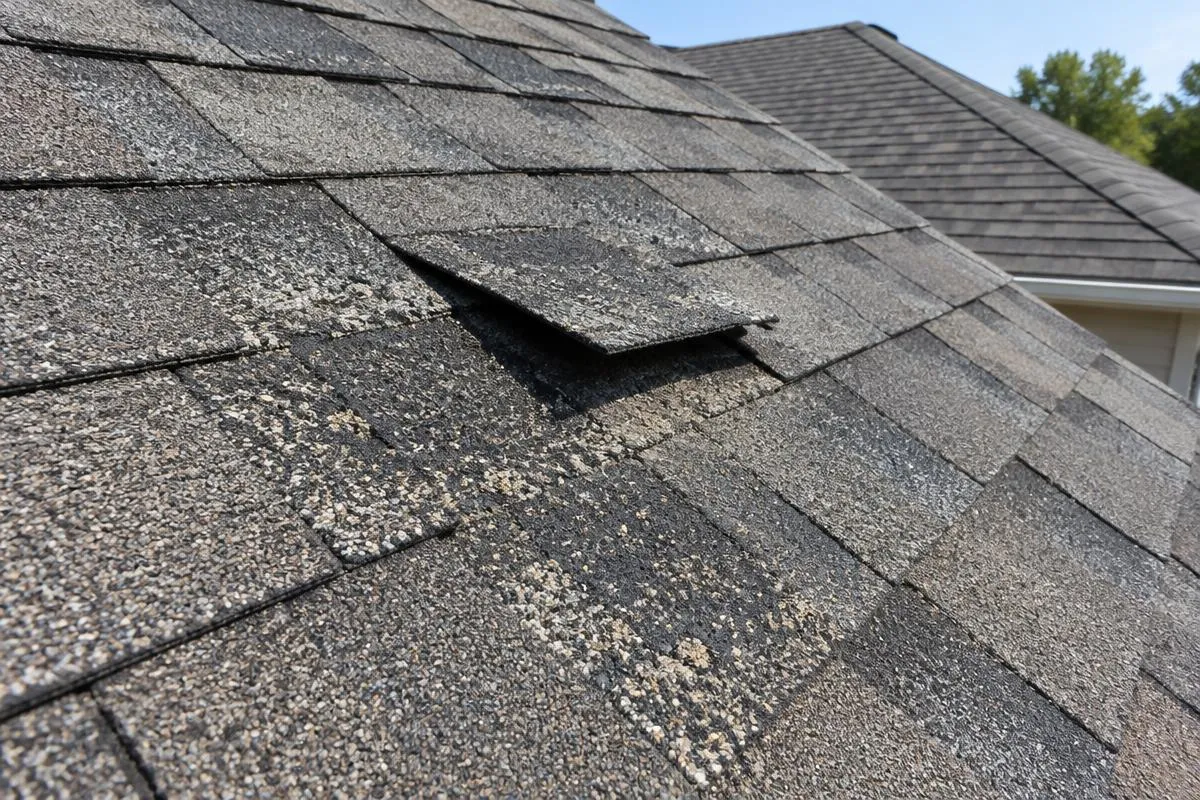
A repair may fit when damage is in a small area. The roof around it must still do its job. The work might involve shingles, flashing, or parts near a vent. Ask why the proposed fix should hold up. The answer should address the source of the problem, not just its most visible sign.
The GAF roof repair page explains common parts involved in roof repairs. Use it to learn the terms in a quote, not to choose a fix on your own. Ask a roofer which parts need work on your home. Ask how the new work will join the roof that stays in place.
When to Compare a Full Replacement
A full replacement deserves a look when faults are spread out. It also deserves a look when a small fix would leave weak areas in place. Ask the roofer to show the extent of the damage. One leak does not, by itself, prove that the whole roof must go. The choice should rest on the roof's full state.
If both paths seem sound, ask for separate repair and replacement scopes. Find out what each would solve and what risk would remain. A lower first bill may leave more work ahead. A larger job may not be needed yet. Compare what you gain, rather than treating either path as the right choice for all roofs.
Trace the Leak Before Choosing the Fix
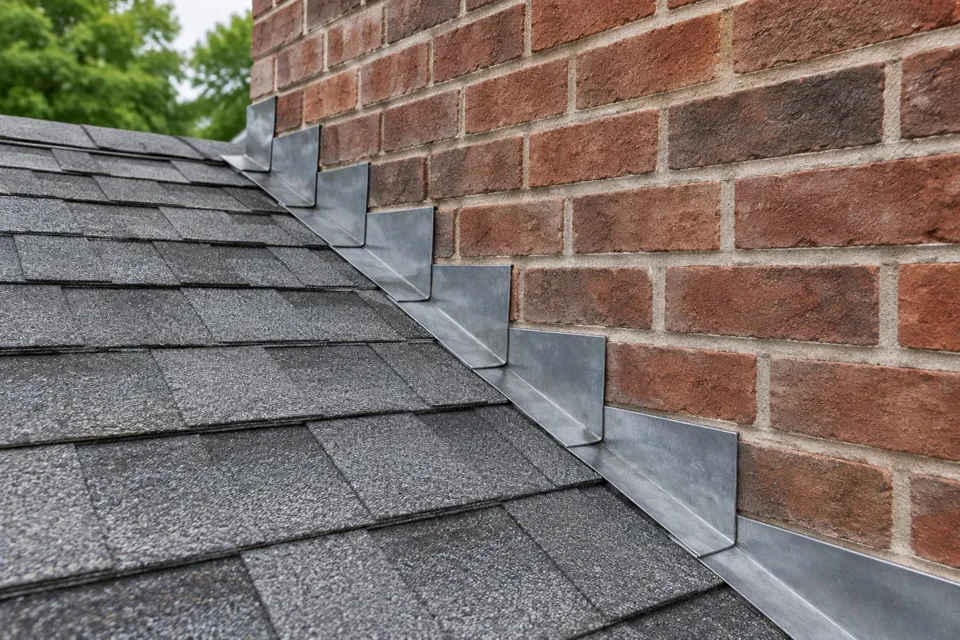
Water can move before it shows up on a ceiling. The stain may not sit right below the roof fault. Joints, flashing, and roof openings can be part of the cause. Ask how the roofer traced the path. A dab of sealant on the nearest spot may fail to solve the real issue.
The GAF roof leak page offers background on leak causes. For your home, ask what evidence links the proposed work to the indoor mark. If the source is still unclear, ask what check comes next. Do not let a guess turn into a large scope without a clear reason for that choice.
Ask for Proof You Can Understand
Good roof evidence should answer three plain questions: What is wrong, where is it, and why does it matter? Ask for photos tied to a roof area or room. A close view can show a fault. A wider view helps you see where that fault sits and how much of the roof it affects.
If two roofers reach different views, compare their findings before you compare their totals. One may have seen a part the other could not reach. Ask each to explain the gap in scope. You can seek another assessment when a large choice rests on weak proof. The same is true when claims do not line up.
Tell us where the leak, wear, or damage needs attention.
Compare the Work, Not Just the Bid
Two bids can cover very different jobs. Check the roof areas, materials, removal work, and cleanup in each one. Ask whether flashing will be kept or replaced and why. Make sure the scope states what is left out. A short bid with one total can hide gaps you will need to settle later.
Ask how a roofer will handle damage found once the roof is open. The bid should explain how added work is priced and how you approve it. Put changes in writing before they proceed. Also check payment steps, start terms, and any warranty terms. Keep a copy of the scope you agree to use.
Match a bid to the roof
- 1Finding
What failed and where?
- 2Work
What will come off and go back?
- 3Terms
Who handles changes and closeout?
Know What Drives the Cost
Roof size is only one part of cost. Pitch, height, roof shape, and safe access can change the labor needed. Material choice and the amount of old roof to remove also matter. A small leak can need more work than it first seems. That is true if the area beneath it has been wet for some time.
Ask which costs are firm and which depend on what the roofer finds. Wood repair, disposal, and work around vents or walls should be clear in the scope when they apply. Get a written basis for any unknown cost. Compare bids after these details match, rather than using a general price found online.
Check Peoria Permit Needs
For a property in Peoria, start with the city's official Building Permits page. Check the rules for your address and planned scope before work starts. Do not assume that a repair and a full replacement have the same needs. Ask the permit office when the scope does not fit the information you find.
A mailing address or a nearby city name does not settle which office has authority over a property. Confirm that point first. Then ask who will obtain any required permit, pay the fee, and arrange required checks. Put those duties in the agreement so a needed step does not fall between you and the roofer.
Check the Roofer Before You Sign
Use the Illinois IDFPR license lookup as a hiring check. Match the roofer's business name and license details to the party named in your bid and contract. Do not rely on a logo or a license number printed alone. Ask about any mismatch before you sign or make a payment for the work.
Ask for proof of insurance and clear written terms as well. Find out who will answer scope questions and who handles concerns after the job. Read any warranty for its limits and claim steps. Match the name in the roof scope with the firm you plan to hire before signing.
Plan Access Without Taking Roof Risks
Tell a roofer about locked gates, pets, narrow drives, and spots where parking is hard. If a leak check may need indoor access, point out the affected room. Let the roofer explain what space is needed. Do not move heavy items or enter a tight attic just to prepare for an inspection yourself.
Before work, ask where materials and waste will go. Agree on how doors, paths, plants, and parked cars will stay clear of the work zone. Keep children and pets away from that zone. A simple access plan can prevent confusion. It helps you know which parts of the property you can use safely.
Check the Planning Area by Address
This site's local planning circle extends 15 statute miles around East Peoria City Hall. That landmark is a map reference, not a Peoria Roofing Help office. The circle helps frame roof needs in the Peoria, Illinois market. It does not mean that every address in each nearby town lies within the same planning area.
Metamora falls only partly within that circle. Use the property address, not just the town name, when checking where a roof need sits. Location also helps a roofer weigh travel and access. Keep that planning check separate from permit checks. A distance circle does not set city limits or decide which office handles permits.
Close the Job With a Clear Record
Before the job ends, review the work against the agreed scope. Ask for completion photos so you do not need to climb onto the roof. Check that cleanup and any required permit steps are addressed. Get written details for approved changes, final charges, and warranty terms. Keep them with your first photos and notes.
A leak may have been the reason for the work. If so, ask how to watch the area and when to report a concern. A dry old stain is not the same as fresh moisture. Note new changes rather than judging by the old mark alone. If water returns, share the place, timing, and photos with the roofer.
Peoria Roofing Help: the key steps

Read the full transcript
Peoria Roofing Help.
An active roof leak calls for safe indoor steps before a roofer checks the source of water.
Roof photos and clear findings help homeowners choose work based on damage rather than a rushed guess.
A roof repair and full replacement should be compared by what each solves and what risks remain.
Illinois homeowners can use the IDFPR license lookup to check a roofer before signing a work agreement.
Completion photos, written changes, and warranty terms give homeowners a clear roof record after the work ends.
Your questions, answered.
Should I ask for a repair quote or an inspection first?
Ask for an inspection first if you do not know the cause or extent of the problem. Tell the roofer what you have seen. Request findings and a proposed scope, so the quote follows the evidence rather than a choice made too soon.
Does a ceiling stain mean I need a new roof?
No. A stain alone does not show how much roof work is needed, or even prove the roof is the source. Have the cause checked. A roofer should explain whether a local repair can solve it and what condition the rest of the roof is in.
Can I compare bids with different materials?
Yes, but first separate the material choice from the work included. Check removal, flashing, wood repair terms, disposal, and permit duties. Ask why each material was proposed. A lower total means little if the bids leave you with different work or different unresolved risks.
What should I have ready for a roofer?
Have your address, safe photos, and a short account of the problem ready. Note when you first saw it and whether it has changed. Share access limits and any past repair records you have. You do not need roof measurements or a diagnosis to start.
What if more damage is found during the work?
Ask for photos and an explanation of why added work is needed. Review its price and effect on the plan before you approve it. Use the change process in your agreement and keep the approval in writing. Do not rely only on a verbal total.