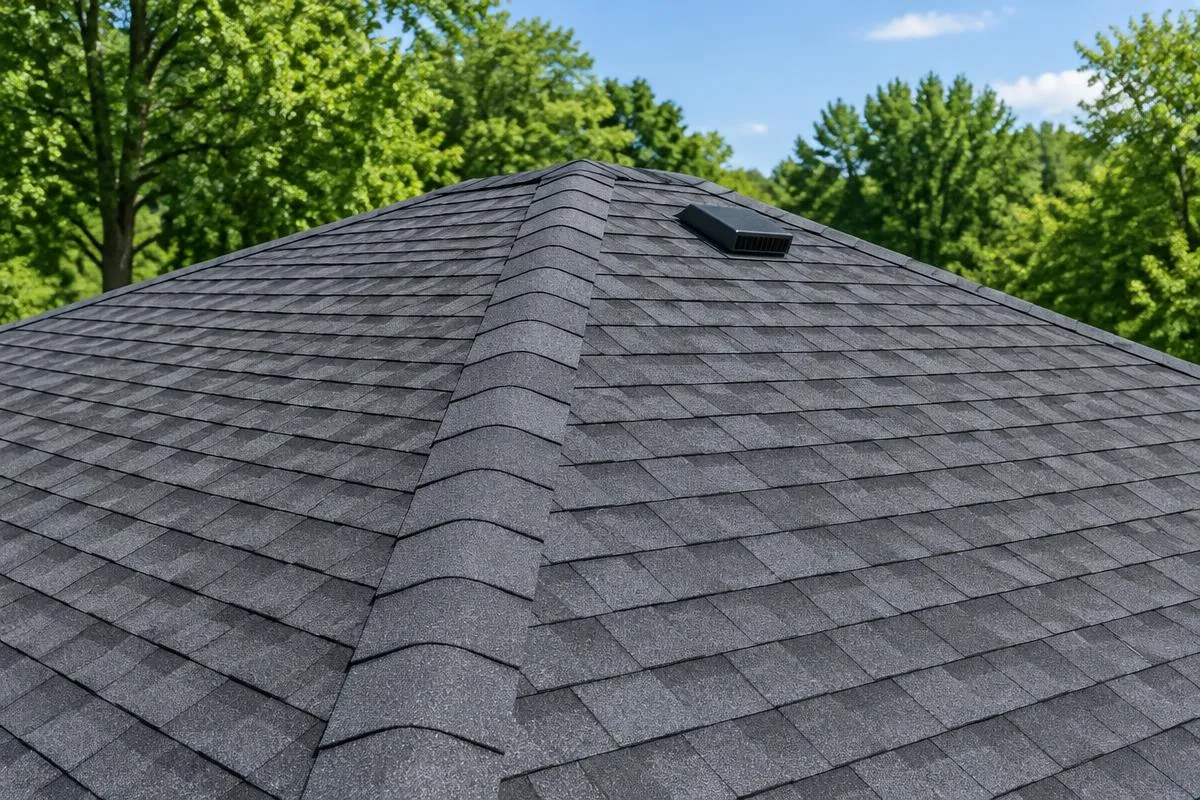
See the steps below to plan the right work for your roof.
Roof Repair in Peoria
Good roof repair starts with a clear scope. What has failed? How far does the harm reach? Where can new work meet a sound part of the roof? Those three points shape the job. A patch can be small, but it still needs a firm base and a safe path for water to flow off the roof.
Peoria Roofing Help helps you frame that task before you hire a roofer. Start with the part you can see from the ground or know needs work. Then ask for a check of the full repair zone. The goal is a defined fix, with clear edges, not a vague plan to cover what looks worn or torn.
Find the Damage, Then Set the Edge
The first loose shingle is a clue, not a full map of the work. A roofer may need to check the parts next to it and the layers beneath it. The repair edge should fall where the roof is sound. It should not stop just because a stained or torn spot ends at that exact point.
Ask a roofer to show the planned repair area in photos or on a simple sketch. The outline should make sense in plain words. It may span more than the mark you first saw. Each added strip should have a reason, such as space to lift a row or reach a firm place to fasten new work.
Signs That Help Define the Work
From the ground, look for bare spots, bent tabs, loose trim, or a gap near a pipe. A roof edge that looks uneven can also point to a part that needs a close check. These signs help a roofer choose where to look first. They do not, on their own, show how deep the harm goes.
Share what you see without trying to name the exact fault. A photo that shows the whole roof face can be more useful than one tight view of a dark spot. Note which side of the home is in the photo. Stay on the ground, and let a roofer check parts that are high or hard to reach.
Define the repair boundary
- 1Visible damage
Start with the part you can see.
- 2Sound base
Ask what was checked beneath the patch.
- 3Joined layers
Ask how new work meets the roof that stays.
Check the Base Beneath the Patch
New roof parts need a base that can hold them. If the deck beneath a patch is soft or split, fresh shingles alone will not solve that fault. A roofer should check the base where the work is opened. The scope should say how any weak wood in that zone will be dealt with before new layers go down.
Some base damage may stay hidden until the top layer comes off. Ask how the roofer will record that finding and get your consent for added work. Set this step before the job starts. It gives you a clear way to judge a change, rather than a broad charge for work that was not in the first scope.
Tell Us About Your Roof
Tell us what needs attention.
Join New Layers to the Old
A roof sheds water through parts that overlap. The repair must keep that order at its edges. New work should fit into the roof, not sit on top like a lid with exposed seams. Ask how the top, sides, and lower edge of the patch will join the layers that are meant to stay in place.
The sheet beneath the shingles matters too. A roofer may need room to reach it and form a sound lap. That can make the repair zone wider than the missing shingles. A clear scope should name the layers to be fixed and the parts to be kept. This makes the tie between old and new easier to judge.
Make Sure Nearby Shingles Can Be Kept
A patch often calls for lifting the shingles just above or beside it. Those shingles must be fit to handle that step. If they crack when moved, the planned edge may need to shift. Ask a roofer how the nearby roof will be checked and what would cause the repair area to grow beyond the first marked line.
The new shingles also need to suit the roof where they will go. Size, shape, and how they fit matter along with color. A close color match may still stand out next to worn shingles. Ask about both fit and looks. A patch should shed water well even when its shade is not an exact match from the street.
Treat Flashing as Part of the Scope
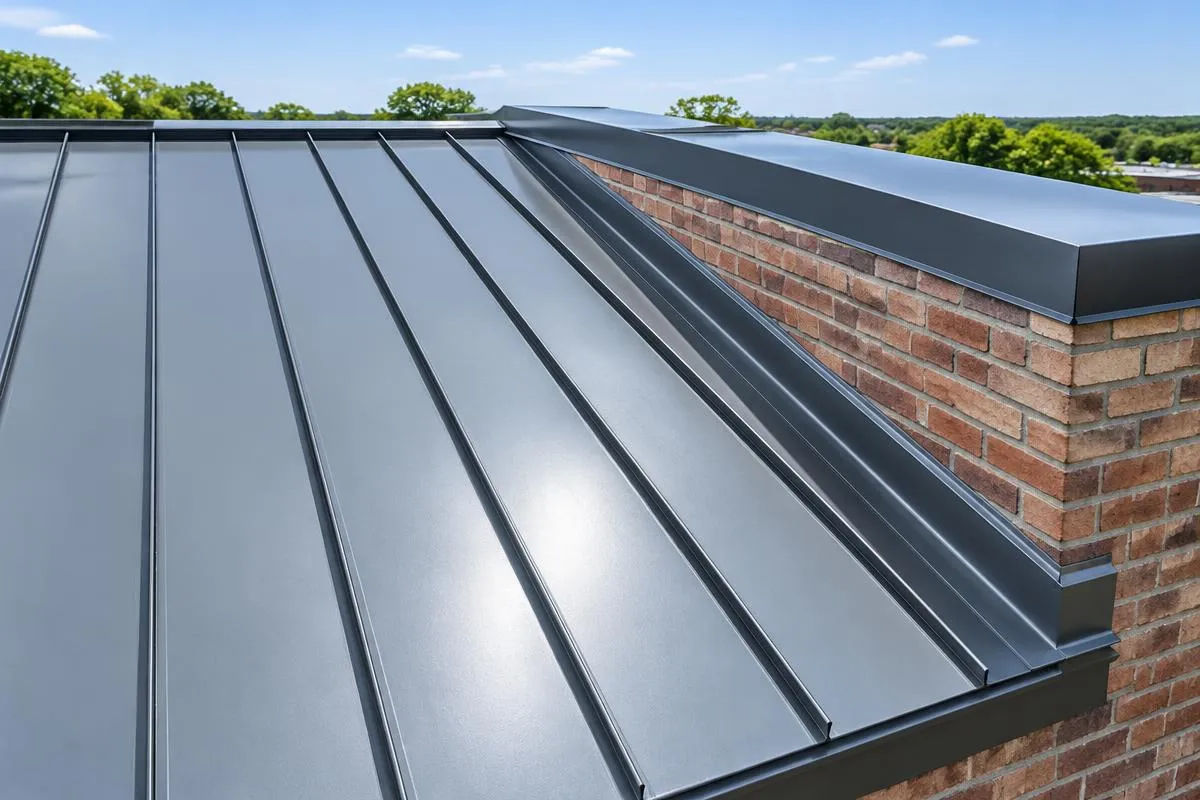
Flashing is the material that helps guide water at roof joints, walls, and other breaks in the roof surface. A bent or loose piece may need more than sealant. The right scope depends on how that piece meets the roof around it. Ask which flashing can stay, which must come out, and how new pieces will be joined.
A wall joint can hide parts of the flashing from view. A roofer should explain how those parts will be checked and reached if they need work. Avoid a scope that only says to seal the area. You need to know what failed and how the fix will restore the path that keeps water out of the joint.
Give Pipes, Valleys, and Edges Clear Limits
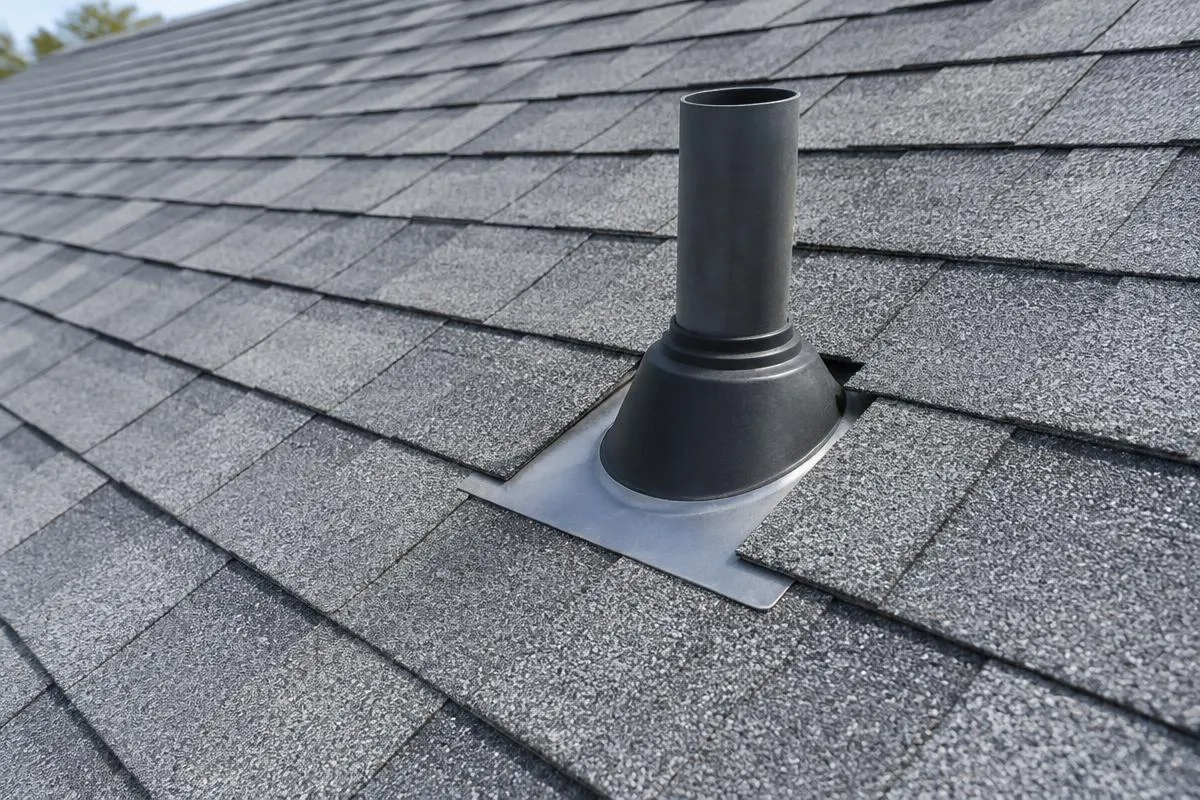
A pipe boot seals the space where a pipe passes through the roof. If it splits or pulls loose, the repair should deal with the boot and its tie to the roof layers. Ask whether the full part needs to be changed. A bead of sealant may not fix a part that has lost its shape or strength.
Valleys and roof edges need clear limits as well. These areas guide water, so a poorly placed seam can leave a new weak point. Ask where the work will start and end along the joint. The plan should explain how water will enter the fixed section and leave it without meeting a gap or an edge that traps it.
Tell us where the leak, wear, or damage needs attention.
Use Sealant for a Defined Purpose
Sealant can have a role in roof work, but it is not a cure for every gap. The key is why it is used and what sits beneath it. Ask if it is part of the chosen roof detail or just a short-term cover. Loose parts, bad laps, and weak wood need their own fixes within the scope.
GAF describes common repair parts in its roof repair resource. Its roof leak repair resource also covers causes that can help explain a fault. Use these to form questions, not to pick a patch from a photo. A roofer still needs to check the actual roof and decide which parts belong in the repair.
Compare the repair scope
- 1Roof surface
Name the area and parts changed.
- 2Hidden layers
Record base damage and added work.
- 3Finish record
Review photos of the repair edges.
Ask for a Scope You Can Read
A useful repair scope names the roof area and the work within it. It should say what comes off, what stays, and what goes back. Ask for the repair edge to be shown in a photo when possible. This helps you see whether the price covers a full fix at that spot or only one small part of it.
Look for clear terms on base wood, roof layers, shingles, flashing, and debris from the work. Not every repair needs each item, but none should be left vague if it is part of the job. Ask how changes will be approved. Also ask what proof you will get that the hidden parts were fixed before they were covered.
Know What Shapes the Repair Cost
The size of a patch is only one cost factor. A small spot near a wall can take more steps than a plain section of roof. Height, slope, access, and the need to lift sound parts can all affect the work. So can damage to the base that is found once the roof surface has been opened.
Compare prices against the same task, not just the same roof photo. One bid may include new flashing and a sound layer beneath the shingles. Another may only cover the top surface. Ask each roofer to explain those gaps in scope. A clear price should tie to named work and state how any added repair will be priced.
Check the Roofer and Permit Needs
Use the Illinois IDFPR license lookup as a hiring check. Match the name on the bid with the name in the record, and review its status. Do not treat a logo or a claim on a page as the check itself. Ask who will be responsible for the roof work and who will answer questions about the written scope.
For a home within Peoria, use the city's official Building Permits page to check the permit process. Do not assume that every small repair has the same rules. Ask about your exact work and address. For homes outside Peoria, check with the office that serves the property rather than applying Peoria rules to a different town or area.
Plan Around the Property Address
This site's Peoria, Illinois, market planning circle runs 15 statute miles around East Peoria City Hall. City Hall is the center used for that circle, not a Peoria Roofing Help office. Metamora falls only partly within it. Use the property address to place the home, rather than assuming that a town name puts every home inside the same circle.
That planning area does not confirm that a roofer serves your home. When you seek an assessment, give the address and a brief note on the roof part that needs work. Add safe ground-level photos if you have them. Ask the roofer to confirm the area served and the steps needed to define a repair at your property.
Review the Finished Repair Boundary
Once the work is done, ask for photos of the opened area, the layers beneath the surface, and the finished patch. Those views should link back to the agreed scope. If the repair grew, ask to see why. You should be able to follow the job from the first marked boundary to the final tie with the sound roof.
Review the edges, not just the new shingles in the middle. Ask how the upper lap, side joints, and lower edge were finished. Confirm what was left in place and what was changed. Keep the scope, change notes, and photos together. They give you a useful record of the repair without a climb onto the roof to inspect it.
Roof Repair in Peoria: the key steps

Read the full transcript
Roof Repair in Peoria.
A roof repair should end at sound roof parts, not just at the edge of visible damage.
A roofer should check the base beneath a patch before covering that area with new roof layers.
New roof layers must join existing layers so water flows over the repair rather than beneath its edges.
A clear roof repair price names the parts being fixed and explains how added work gets approved.
Roof repair photos should show hidden work and finished edges so homeowners can review the agreed scope.
Your questions, answered.
Can a roofer fix just a few damaged shingles?
Yes, if the base and nearby roof are sound enough for that work. The patch still needs room for good laps and firm fastening. Ask a roofer to check beyond the missing or torn tabs. The right repair edge may sit a row or more beyond the visible damage.
Why would a repair extend past the damaged spot?
A roofer may need more space to reach a sound layer, change flashing, or lift nearby shingles without harm. The added area should serve a clear purpose. Ask for photos and an explanation of the boundary. More area is not a reason by itself; it should help make the joint sound.
Does a new patch have to match the roof color?
Color matters for looks, but fit and water flow come first. New shingles may differ from those left on the roof even when the color name is the same. Ask what match is available and how it will look. Also confirm that the chosen shingles suit the existing roof.
What if a roofer finds bad wood under the patch?
The weak base needs a clear plan before new roof parts cover it. Ask for photos, the size of the affected area, and a price for the added work. Your original scope should explain how changes get approved so you can review the finding and the proposed fix.
What should I have ready for a roof repair assessment?
Have the property address, a short note on the damaged area, and any photos taken safely from the ground. Share past repair details if you have them. Ask the roofer to define the repair boundary, check the base, and explain how new work will join the roof that stays.