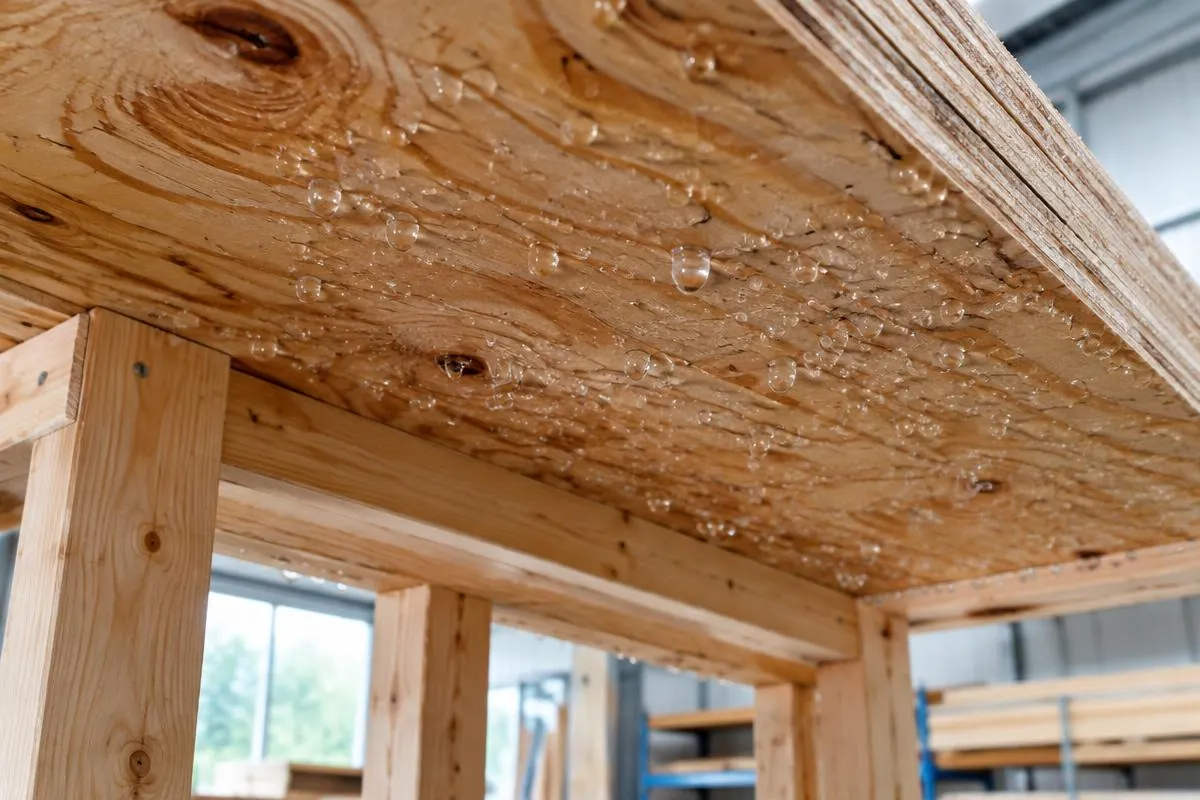
Get the moisture source checked before buying a roof repair
Wet wood in the attic can need very different fixes. A leak through the roof needs one kind of repair. Wet indoor air hitting cold surfaces needs a different fix. Start your Peoria moisture request with the timing, the spot, and the pattern you saw.
Do not guess the cause from one dark mark. Do not go into the attic if access is unsafe. Do not go in near loose wires or a shaky ceiling. You can start with what you see from the rooms below. Use any photos or reports you already have.
Compare clues without turning them into a diagnosis
Moisture that shows up after rain may point to a leak from outside. Many wet spots or frost in cold weather may point to condensation. Neither clue is a final answer. The same attic can have more than one cause at once.
PNNL explains how leaking indoor air and cold roof surfaces can cause condensation problems. The best next step is one check that looks at both things together. Ask the report to list the facts seen, the likely cause, and what is still unknown. This stops a guess from turning into an unneeded roof replacement.
Use timing to make a scattered problem clearer
One wet spot seen once can be hard to explain. Write down if it came after rain, after a thaw, or in cold dry weather. Note if it happened once or many times. Note which part of the attic or ceiling was wet.
If a pro measured the moisture or the indoor humidity, keep that date, spot, and number with the report. Do not use one number from another house as a pass or fail rule. A good record helps the checker see the pattern. It also shows the limits of what was really seen.
Two investigation paths can remain open
| Review item | Exterior entry | Indoor moisture |
|---|---|---|
| Weather timing | Confirm in the site review or quote | Confirm in the site review or quote |
| Location and spread | Confirm in the site review or quote | Confirm in the site review or quote |
| Roof details | Confirm in the site review or quote | Confirm in the site review or quote |
| Air leaks and exhaust routes | Confirm in the site review or quote | Confirm in the site review or quote |
Include bathroom and kitchen exhaust routes
Tell the checker about bath and kitchen fans. Mention any past remodels or duct changes too. PNNL says these fans should blow air outside, not into the attic. A fan that is noisy does not tell you where its duct really ends.
Have a trained person trace the duct path. Have them check the connection. Have them find where it ends outside. Ask if fixing the route needs roof, wiring, or vent work. Do not pull ducts apart yourself. Do not climb to the roof cap to test it. Keep the roof opening and the duct work linked in the plan.
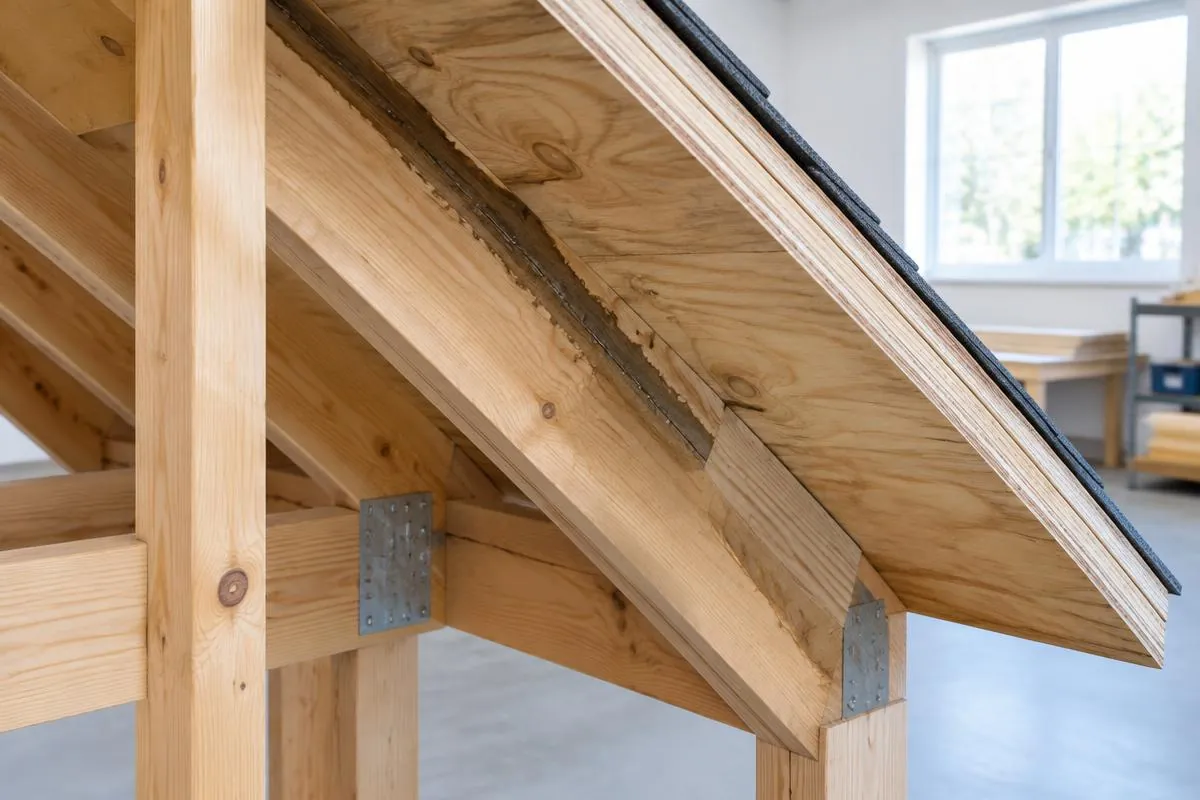
Look at the ceiling air boundary
Air sealing and insulation are not the same job. PNNL says ceiling gaps and the air barrier matter a lot for attic moisture. A good plan names what gets sealed. It names which insulation moves or gets replaced. It also explains safety near equipment and flues.
Ask who will do this check. Ask if the work changes other vent needs in the house. Do not use a can of foam as a fix-all near hot parts or wires. A clear plan names the exact gaps and the right materials. It should not just promise to seal the whole attic with no detail.
Request an attic moisture review in Peoria
Tell us what needs attention.
Keep roof leaks and drying work in the scope
An attic moisture check should still look for a real roof leak when facts point that way. Ask how flashing, roof openings, and any old repairs will be checked. If a real roof defect turns up, write its fix as its own job, apart from the indoor moisture work.
Also ask what happens to wet insulation, damaged wood, and damaged walls. Finding the cause does not say how those materials get fixed. The plan should list what is included, what is left out, and what still needs checking before anything gets closed up.
Attic moisture timing checklist
Known facts and open questions
- When moisture appears
- Unknown
- Pattern recorded
- Unknown
- Bath or kitchen exhaust route
- Unknown
- Dated observations or report notes
- Unknown
- Keep an exterior water-entry check open.
- Review indoor moisture and warm-air leaks into the attic.
- Trace bath and kitchen exhaust to a confirmed outdoor outlet.
Start your questions here: Keep both paths open.
Build a two-path moisture brief
This tool asks about the weather timing, how far the moisture spread, and any known fan routes. It builds two lists. One covers outside leak questions. One covers indoor moisture questions. It leaves both open when the facts are mixed.
If you mark a fan route as unknown, the tool asks you to check where the duct ends. It will not assume the fan blows into the attic. If the mark follows rain, it asks for a roof check, but it will not rule out condensation. This gives the inspector a fair starting point. It also helps you compare bids that might otherwise sound unrelated.
Judge the plan by the explanation and follow-through
Ask for a short written note linking each task to a finding. If a new roof vent is suggested, what proof backs it up? If insulation is suggested, what happens to the air leaks? If a roof repair is offered, which leak spot was found?
Keep the report. Compare later visits in similar weather. Agree on follow-up timing with the crew doing the work. Do not assume one dry day proves the fix worked. Use this moisture page when the cause is unclear. Use the roof ventilation page once the system itself has been checked.
Your questions, answered
Can condensation and a roof leak happen together?
Yes, both can happen at once. Ask the checker to look at both causes when the timing is mixed. Ask them to show which facts support each part of the fix.
Does frost under the roof mean I need new shingles?
No, frost alone does not prove that. Frost is a clue that needs a full check of the air and the roof. New shingles need their own clear reason, not just this one clue.
Should a bathroom fan duct end near a soffit vent?
Have the real outdoor end point checked. Being close to a vent is not the same as a proper outdoor exit. Have both the duct and its roof exit checked together.
What should I save after the investigation?
Keep dated photos. Keep any measured readings with their locations. Keep the findings and the agreed work plan. Also note any spots no one could check. That helps the next visit.