See the steps below to plan the right work for your roof.
Start with safety, then the leak
Stop and look at the room before you move in. Is the ceiling bowed? Is water near a light, cord, or socket? Is there a loose piece above you? Keep people and pets away from that space. Do not stand under a bulge, poke a hole in it, or touch wet power gear. An active leak can be a roof problem and a safety problem at once.
If water has reached wires or power gear, seek help from a qualified electrician. Do not cross a wet floor to reach a switch or breaker. Call emergency services for an immediate threat to life. For the roof concern, tell the roofer what is wet and what is unsafe. A calm, plain account helps them plan the right next step.
Treat the stain as a starting point
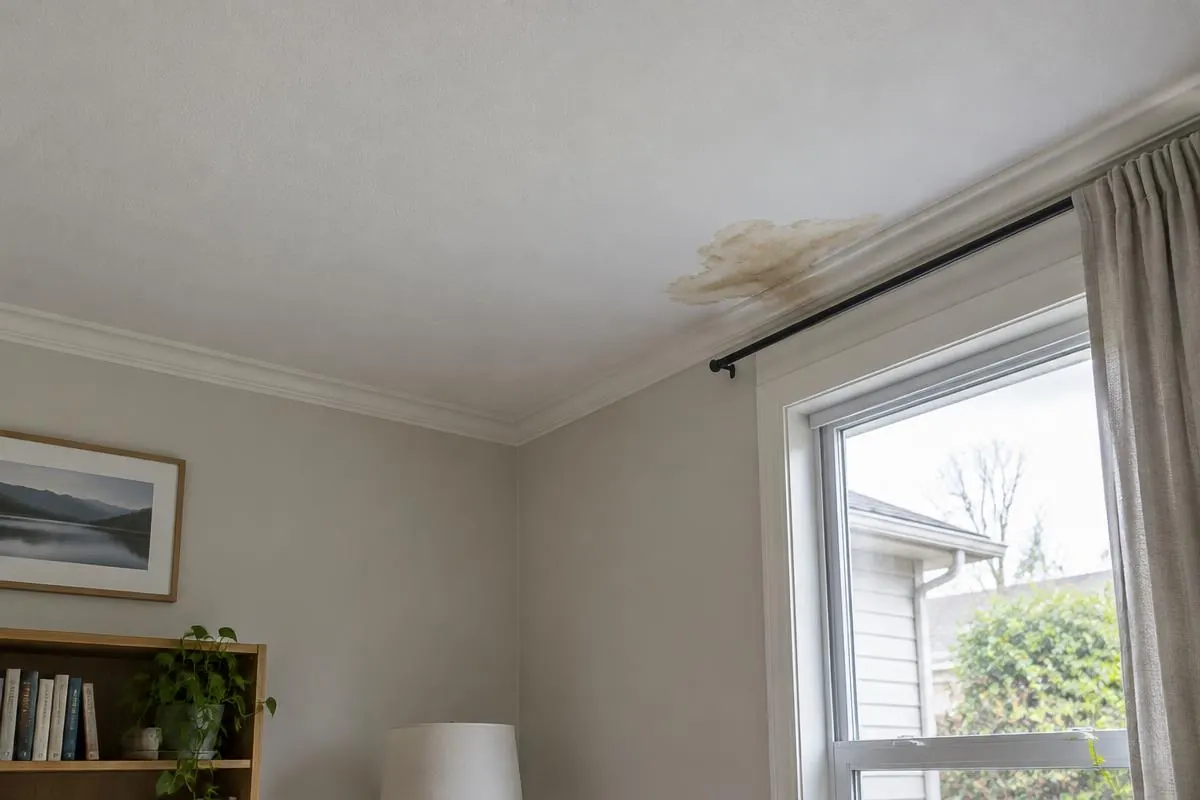
Give each wet spot a name that makes sense to you. Try ‘hall ceiling by the closet’ or ‘back bedroom near the window.’ Draw a small room plan if there are several spots. Add doors and walls so a person who has not seen the house can find them. This is a record of what you see. It is not a map of the hidden leak.
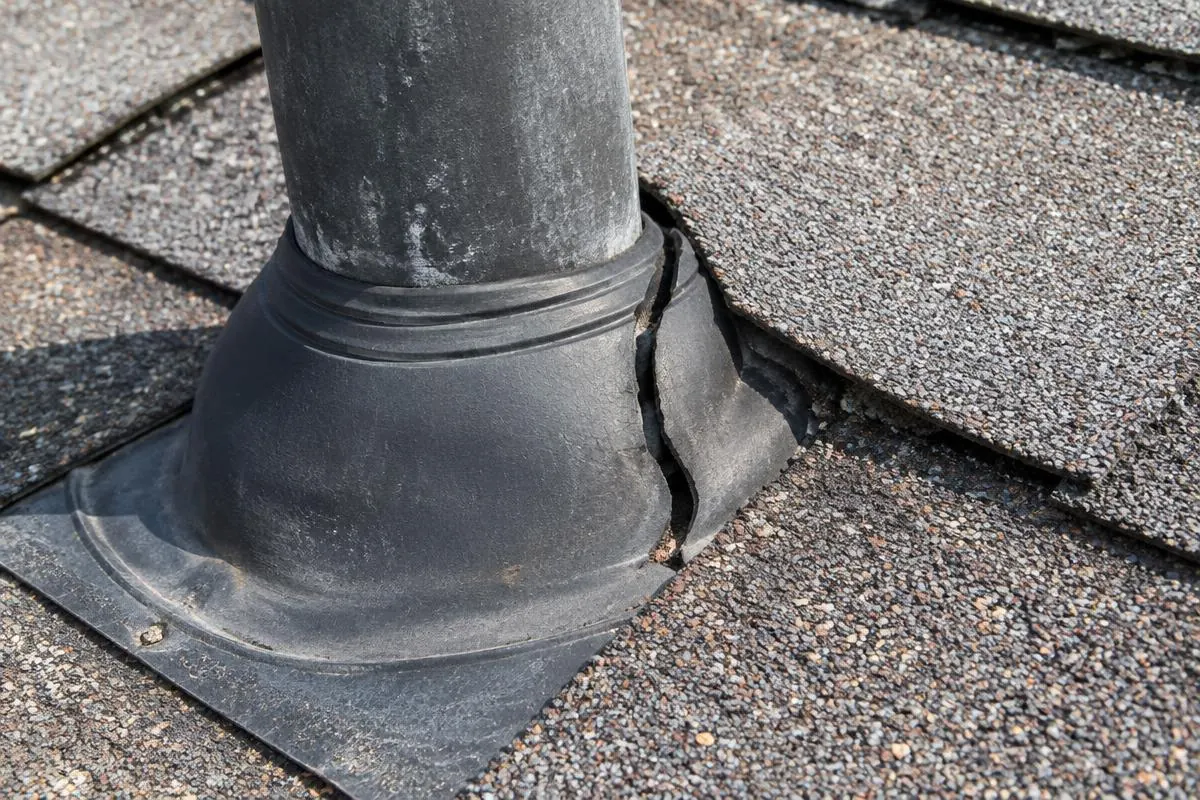
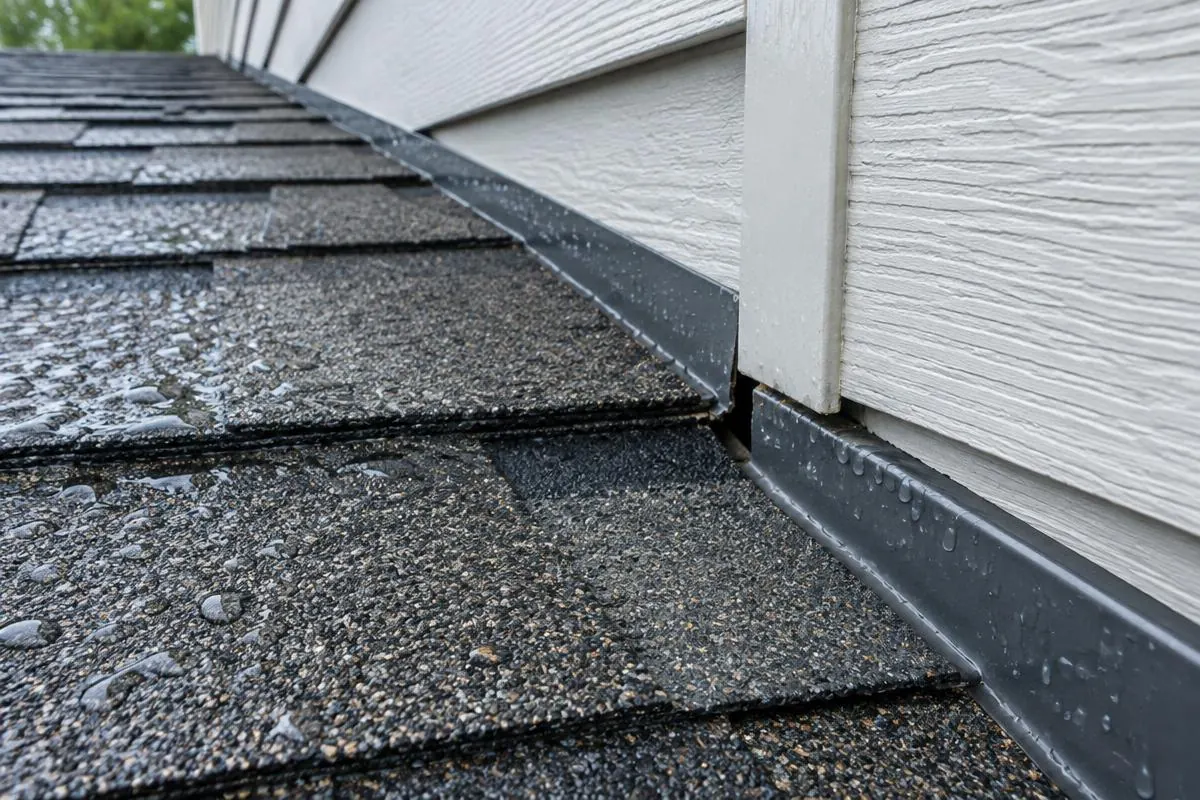
Do not pick a repair just because a roof part seems to sit above the mark. GAF lists damaged shingles, worn flashing, blocked gutters, and ice dams among possible leak causes. More than one part may need a check. Ask the roofer to explain which findings fit your wet spot and which remain unclear. If the cause is still unknown, that should be plain in the plan.
Wet spot is not the source
- 1Seen indoors
Mark the wet spot and time.
- 2Candidate paths
Roof cover, wall joints, and openings need review.
- 3Confirmed finding
Ask for evidence before naming the repair.
Build a small water log
Write the date and time when you first see water. Note if it is a new mark, fresh drips, or a patch you have seen before. Say whether rain is falling now or has stopped. If you know when the last rain fell, add that too. Keep guesses out of the main notes. ‘First seen at eight’ is more useful than ‘started last night’ if you were asleep.
Track what changes from one check to the next. Is the edge of the mark wider? Are drips faster? Has a second room become wet? Take a photo from the same safe place each time. Keep the first image as well as later ones. Do not wait for a neat record if water or a hazard calls for help now.
- Record the room and the exact spot you can see.
- Record when you saw it and whether the surface was wet.
- Record rain, snow melt, or dry weather without guessing a cause.
- Record prior roof work and the date if you know it.
Use this next-step page
Match your next step to the thing you can confirm. This page helps you sort the task. It does not set a safe wait time for your house. If the signs change, change the plan. A small old stain and a fast new leak should not get the same response.
| What you can see | A useful next step | What to tell the person you call |
|---|---|---|
| Water near power, a bowed ceiling, or loose material | Keep clear and seek the right urgent help. | Name the hazard before you describe the roof. |
| Fresh drips with no clear life hazard | Ask a licensed roofer about a prompt check. | Say where it drips, when it began, and if it is getting worse. |
| A dry mark with no known history | Date the mark and arrange an assessment. | Say that you do not know when it formed. |
| Water returns after a repair | Share the earlier scope and ask for a fresh review. | Point out which signs stayed the same and which changed. |
Tell Us About Your Roof
Tell us what needs attention.
Take photos that answer a question
Start with a wide view of the room. Then take a closer view of the mark from firm, dry floor space. Include a door or corner in one photo to show where it is. You do not need a perfect close-up from a chair. A clear view from a safe place is enough for the first call. Keep private papers and faces out of images you plan to share.
If you can see the roof from safe ground, take a broad photo of that side of the house. Name the side by a fixed feature, such as the front door. Do not lean from a window, climb a ladder, or go onto the roof to fill a gap in the record. Write ‘not visible from the ground’ where that is true.
Share the house history without filling the gaps
Look for a past roof bill, a repair note, or photos taken before the leak. These may tell you which part was worked on and what materials were used. Keep the source of each fact clear. ‘The seller said the roof was new’ is not the same as a dated invoice. ‘There was a patch here’ is not the same as knowing what was under it.
Tell the roofer about nearby work too. A new vent, a wall change, or work at a chimney may be worth a look. You do not have to decide whether that work caused the leak. If you rent or share the building, tell the person who manages it what you have found. Make clear who can approve access and repair work.
Ask how the water path will be checked
Before an assessment, ask what areas the roofer expects to review. Ask what can be seen without opening parts of the roof or ceiling. If an area is hidden, the report should say so. A limit is useful information. It tells you which part of the conclusion is based on a clear view and which part may need more work.
Ask for photos that connect the proposed repair to the findings. A close-up of a flaw is more useful with a wide view that shows its place. Ask why the roofer thinks that flaw fits the water pattern inside. If a test or opening is proposed, ask what it involves and who will make the area safe afterward. Leave roof access and testing to the professionals.
Separate the roof repair from the room repair
A proposal may deal with the roof and leave the ceiling out. Another may include both. Read those parts as separate tasks. Ask who will check the wet material inside, who will handle drying, and who will tell you when finish work can start. Do not take a new coat of paint as proof that the source of water is gone.
Write down who owns each step. One person may assess the roof while another handles the room. If wires or lights got wet, an electrician has a different role again. Make sure the people doing the work know where their tasks meet. You should not have to learn after the job that each thought the other would check the wet area.
Roof and room work
- 1Roof scope
Fix the confirmed water-entry path.
- 2Room scope
Plan drying and finish review separately.
- 3Wet power gear
Keep clear and seek an electrician.
Tell us where the leak, wear, or damage needs attention.
Read the repair scope for missing parts
A useful scope names the roof area, the finding, and the planned work. ‘Fix leak’ does not tell you much. Ask which materials will be removed, which will stay, and how the new work joins the old roof. Ask how hidden damage will be shown to you if it is found. Find out how a change to the scope must be approved.
Also ask what the work does not include. The roofer may not be checking wall leaks, pipes inside the home, or the chimney's full condition. That boundary should be clear. Read the terms for any promised follow-up and ask what they mean in plain words. Do not assume that a general promise covers every future wet spot in the house.
Compare two explanations, not just two totals
If two roofers suggest different work, put their findings side by side. Do they point to the same place? Did both see the same parts? Does one plan include an area that the other has not checked? A larger scope may reflect more work, more access, or a different view of the cause. Ask about that gap before you choose.
You can say, ‘Please show me how this step relates to the leak.’ You can also ask what new evidence would change the plan. A clear answer may include limits. No one needs to pretend they can see through the whole roof. A plan that states its unknowns gives you a way to review the next decision if more is found.
Keep the record after work ends
Save the dated scope, final bill, and work photos in one place. Add the name of the person to contact if water returns. Note what was checked at the end and what could not be checked. Keep your first leak photos too. They provide a clear before view if a mark changes later.
After rain, note any fresh water from a safe indoor spot. A dry visit on one day is only one observation. If a mark grows or drips return, report it with the date and images. Describe the new facts rather than deciding that the same part has failed. The aim is to get the water path reviewed with the best record you have.
Prepare a short Peoria project note
For a Peoria-area home, use the actual property location when you arrange a visit. A city name or mailing address may not answer every project question. Ask the professional to check which local office applies to that address if the planned work needs that review. Confirm the visit location and planned work with the roofer you choose.
Your note can be brief: ‘Water first showed up in the back room on this date. It is wet now. I have photos and one past repair bill. I need the cause checked and a written plan.’ Add any safety issue first. That is enough to begin a useful talk without choosing a repair before the roof has been assessed.
Roof leak repair in Peoria: the key steps

Read the full transcript
Roof leak repair in Peoria.
Water on a ceiling is a clue.
Record where it shows up, but do not guess the roof entry point.
Stay clear of wet lights and wires.
Keep people out of the affected space and seek the right help.
Write when you saw water.
Save wide and close photos taken from a safe, dry place.
Ask how the roof finding fits the wet spot.
Make room for facts that still need checking.
Save the work scope and photos.
Report any fresh water with dates so the next review starts with facts.
Your questions, answered.
Does a ceiling stain prove the roof is leaking?
No. It shows that the surface has changed. Tell the professional whether it is wet now and what else you have seen. Ask for the source to be checked before you approve roof work based only on the stain.
What if the rain stops before the roofer arrives?
Keep the dated photos and water log. Show when the drips started, slowed, and stopped. Do not add water yourself to make the leak return. Ask what the roofer can learn from a dry visit and whether more assessment is needed.
Should I go into the attic to find the leak?
You do not need to enter an unsafe or hard-to-reach space for this checklist. Share what you can see from safe, normal access. Leave uncertain access, wet wiring, weak floors, and hidden areas to people with the right training.
Can a small patch be the right repair?
It may be. Ask what finding supports the patch, how the area around it was checked, and what the scope leaves out. The size of a ceiling mark alone does not tell you how much roof work is needed.
What should I do if water returns?
Protect people first. Tell the repair contact what changed and when. Share the earlier scope and new photos. Ask for a review of the water path rather than assuming that a second patch in the same place is the next step.