See the steps below to plan the right work for your roof.
Roof Inspection in Peoria
A roof check is a close look at the roof and the signs of trouble below it. A roofer should look for worn spots, weak joints, and paths where rain could get in. The goal is to sort small fixes from broad wear. The report should note where more tests are needed before work can be planned.
Tell the roofer why you want the check. You may have a ceiling stain, loose roof bits in the yard, or no clear clue at all. Share when you first saw the issue and what has changed. These facts help set the scope. They do not prove where a leak starts or how large a repair must be.
Start With Signs You Can See
From the ground, look for gaps in the roof surface, raised edges, or pieces that seem out of line. Note loose trim and parts that hang away from the roof. Use a phone zoom if it helps. Stay off ladders and the roof. A clear view from a safe spot is enough for your first notes.
Check the rooms below the area that concerns you. Look for brown rings, peeling paint, or a damp spot near a wall. Write down which room has the mark and where it sits. A stain can stay long after a leak stops. A fresh change matters more than the mere fact that a mark is there.
Agree on Safe Access First
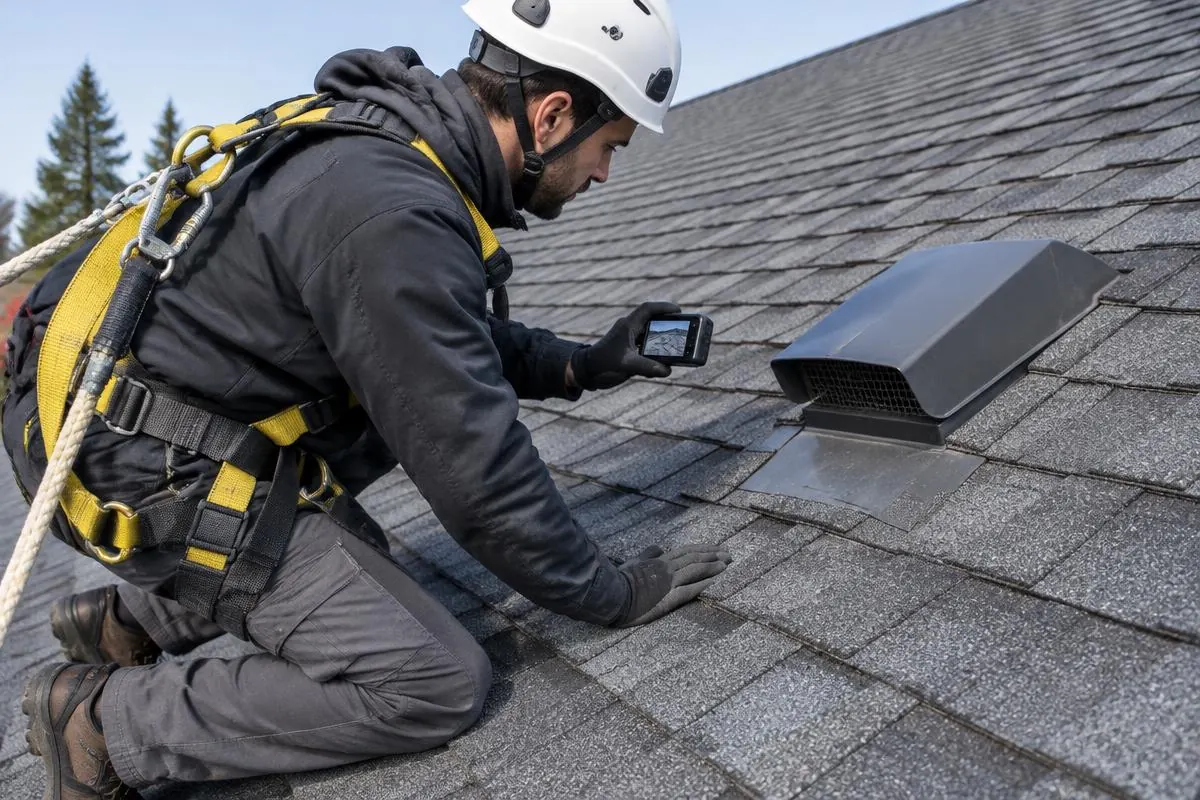
Ask how the roofer plans to view each roof section. Roof pitch, surface grip, height, and access can limit a close check. A roof that cannot be walked may still be viewed from other safe points. The report should name the method used. It should explain which parts were too far away to judge in useful detail.
Make space near the attic hatch if indoor access is part of the plan. Keep pets away from the work path. Tell the roofer about weak floors, stored items, or a hatch that will not open. Do not move into a tight attic to help. Safe access is a part of the scope, not a reason to take risks.
Check the Main Roof Surface
The roof surface needs more than a quick glance for missing pieces. A roofer may find cracks, lifted tabs, worn areas, or fasteners that no longer sit as they should. The pattern matters. One damaged spot may call for a small repair. The same fault across many areas may need a wider plan based on what can be seen.
Ask the roofer to separate clear damage from signs that need more context. Bits of shingle grit in a gutter do not, on their own, show that the whole roof has failed. A useful finding names the part, its state, and the concern. It also says whether the issue is local or spread across more roof sections.
Tell Us About Your Roof
Tell us what needs attention.
Pay Close Attention to Roof Openings
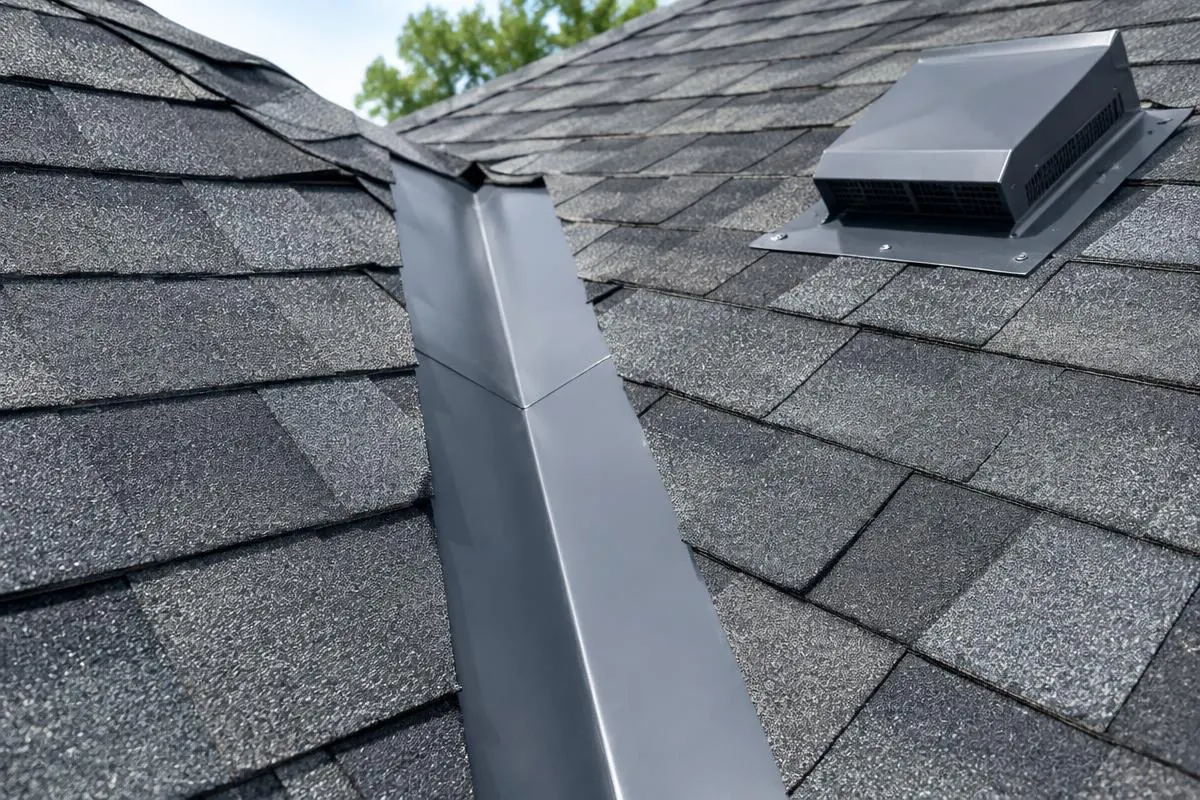
Pipes, vents, skylights, and chimneys break up the roof surface. Each opening needs a sound joint to keep rain out. Ask the roofer to check boots, metal flashing, and nearby roof material. Cracked rubber, loose metal, or gaps at these joints can matter. That is true even when the broad roof surface still looks neat from the street.
A bead of sealant is not proof that a joint is sound. It may hide an old gap or be part of a repair that needs review. The roofer should explain how the joint sheds water, not just point to a patch. Ask whether the proposed fix treats the worn part or only covers the visible crack.
Trace Edges and Water Paths
Roof valleys bring water from two slopes into one path. Wall joints and roof edges also need close review. A roofer should look for trapped debris, loose flashing, and breaks where water could slip below the surface. Ask for the exact spot on the report. A vague note about bad flashing gives you little help when you compare repair scopes.
Gutters and downspouts can help show how water leaves the roof. Ask whether a clog, loose section, or poor outlet path is linked to the signs you see. Roof work and gutter work may be separate tasks. The report should make that split clear. A needed drain fix should not get lost in a roof repair quote.
Link Indoor Signs to Roof Findings
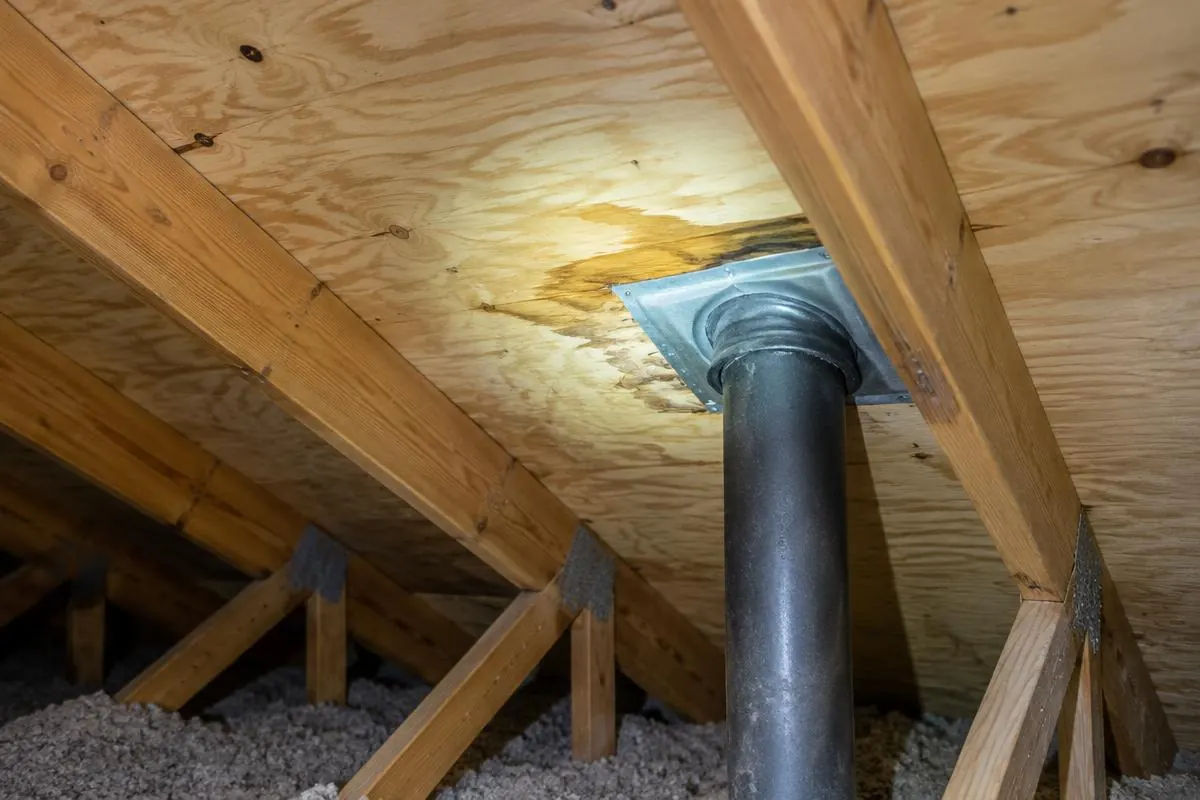
A ceiling stain may sit far from the roof entry point. Water can travel along wood or other surfaces before it drips into a room. Ask the roofer to compare the indoor mark with roof joints above and nearby. The closest vent is a clue to check. It is not a proven cause just because it lines up with the stain.
Not all damp spots begin at the roof. A pipe leak or moisture in indoor air can leave marks too. A good check keeps those paths in mind. If the evidence does not settle the cause, ask what test or other trade could help. Guessing at a roof repair may leave the real source in place.
Clue to finding
- 1Indoor sign
Record where and when water shows.
- 2Roof review
Ask which roof paths were checked.
- 3Link the evidence
Keep an untested cause marked as unknown.
Know What an Attic Check Adds
If safe access is available and the agreed scope includes it, an attic check may add clues. Dark marks, damp wood, or wet insulation can help narrow the search. Ask the roofer to note where each sign appears. A dry attic on the day of the visit does not rule out a leak that comes and goes.
The attic view has limits of its own. Insulation, ducts, and tight corners may hide the roof deck. A roofer should not claim to have checked wood that was out of sight. If there are signs of trapped moisture, ask what was seen and what still needs review. Keep that question separate from whether a roof opening leaks.
Tell us where the leak, wear, or damage needs attention.
Ask for Photos With Clear Labels
Useful photos show both the area and the fault. One wide view can place a vent on the roof. A closer view can show the crack in its boot. Ask for labels that match the report. Front slope, rear valley, or a named room can be clearer labels. A stack of close shots gives no way to place them.
Photos should back up a finding, not make you solve it alone. Ask what each image shows and why it matters. A shadow can look like a gap. A stain can look wet when it is dry. A photo can be unclear. When that happens, the written note should state the doubt rather than present the image as proof of a failure.
Set the Written Report Scope
Before the check, ask what you will get in writing. A useful report names the areas viewed, the access method, key findings, and parts that could not be checked. It should connect each concern to a next step. A short note can work well if it is clear. Length alone does not make a report useful.
Keep findings distinct from the work quote. The finding should explain what is wrong or uncertain. The quote should state the proposed work, materials, and scope limits. Ask which items need prompt care and which can be watched. More than one path may be sound. If so, ask the roofer to explain the tradeoffs rather than list one unexplained total.
Understand What Remains Unknown
A visual roof check cannot show every layer below the surface. Covered wood, hidden fasteners, and some wall joints may stay out of view. Ask the roofer to list those limits in plain terms. The report should not treat hidden parts as sound just because the top layer looks good. A missing indoor stain proves nothing either.
Some questions need a closer test or a small area opened with your consent. Ask why that step is needed, what it may show, and how the area will be closed afterward. A visual report also cannot give an exact date when a roof will fail. It can help you make a plan based on its current state.
Report to next action
- 1Checked
List the parts the review reached.
- 2Not checked
Name hidden or unsafe areas.
- 3Next action
Match the follow-up to the open question.
Choose a Follow-Up That Fits
For one clear fault, ask for a repair scope tied to that spot. For wear across much of the roof, ask whether patching still makes sense. When the cause remains unclear, further leak tracing may come first. A long list of minor notes is not proof. It does not show that a full roof replacement is the only sound choice.
GAF's roof repair page explains common repair parts. Its leak repair page covers common leak causes. These can help you ask about a proposed fix. They do not show what is wrong with your own roof. Use the site photos and written findings to judge the next step. Check that the step fits the evidence from your home.
Review Cost Factors and Permit Needs
Ask what sets the fee for the roof check and what that fee includes. Roof size, steep slopes, access limits, indoor review, and report detail can affect the scope. Leak tests may be priced apart from a visual check. For later repairs, hidden damage and the work needed to reach a joint can also change the cost.
Work may be proposed on a property in Peoria. If so, start with the city's official permit page. Confirm the rule for the exact job rather than assume all repairs are treated alike. For a home outside Peoria, check the authority for that address. Ask who will handle any required permit before you agree to the work.
Prepare for a Local Roofer Review
Peoria Roofing Help uses a planning circle of 15 statute miles around East Peoria City Hall. That point is a map reference, not a site office. Metamora falls partly within the circle. Check the property address with a roofer rather than rely on a town name alone. The planning circle does not establish any roofer’s service area.
Use the Illinois IDFPR license lookup as a hiring check. Match the roofer's business name to the record and review its status. Then ask about inspection scope, written findings, and terms. Confirm the license status is active before you sign anything. Keep your address and room notes ready. Safe ground photos help too, for a clear talk about the next step.
Roof Inspection in Peoria: the key steps

Read the full transcript
Roof Inspection in Peoria.
A useful roof inspection names the areas checked,
the faults found, and the parts still out of sight.
Roof pipes, vents, and skylights need close review
because worn joints can let water beneath the roof surface.
An indoor ceiling stain helps guide a roof check,
but water may travel before it leaves a mark.
Roof inspection photos work best
when labels show each location and notes explain the fault in plain words.
A roof report should link each concern to repair,
further tests, or watching for a clear change.
Your questions, answered.
Can a roof inspection prove the source of a leak?
Sometimes the cause is clear, such as a split boot with matching signs below. In other cases, a visual check only narrows the search. Ask the roofer to state whether the cause is confirmed or suspected. Further tests may be needed before a repair scope can be set with confidence.
Should I ask for a check if there is no indoor leak?
Yes, if you see loose pieces, a damaged joint, or another change that concerns you. Some faults show on the roof before water marks appear indoors. Explain what prompted your concern. Ask for findings that show the current state, not a sales claim based only on the lack of a leak.
Does a roof check include the attic and gutters?
Only if those areas are part of the agreed scope and can be reached safely. Ask before the visit. A roof-only review may leave useful indoor clues unchecked. The report should say whether gutters, attic areas, and indoor marks were viewed, left out, or blocked by limits on access.
What if two roofers give different findings?
Compare the areas each roofer viewed and the photos used to support each claim. One may have had better access or included the attic. Ask each to explain the gap between the findings. Focus on the evidence, the hidden conditions, and the proposed scope rather than choosing by report length.
What should I do after a repair?
Keep the first report, repair scope, and any photos of the finished work together. Ask what follow-up fits the issue and what signs should prompt another call. Track changes in the old indoor stain without assuming it will vanish. If dampness returns, share those notes with the roofer who reviews it.