See the steps below to plan the right work for your roof.
Begin with the narrow rule
Morton's official Permits and Licenses page lists work that does not need a permit. Roof shingle repair and replacement are on that list. That is a helpful, narrow fact. The same page treats structural changes and roof-mounted solar as separate matters. Do not stretch a shingle rule to cover those tasks. The page was checked on October 8, 2026.
Start by asking whether your plan is truly limited to shingles. You do not need to know the answer before a roof check. You do need to keep the question open if the scope is still unclear. Words such as "roof work" can hide more than one kind of task.
Sort the scope before you compare the offers. Make the notes below on paper or in a file you control. Keep roof photos with the task they show.
Check that the Morton rule fits the place
First confirm that the property is within the Village of Morton. A Morton mailing address or ZIP code is not proof of the village line. If there is doubt, ask the village to check the site. Or ask which office should review it. Use the parcel number in your private records to keep the property clear.
The village's Zoning and Code Enforcement route is linked on its official permit page. Start there for questions about a village project. Explain the full work as far as you know it. If the site belongs to another permit area, seek an answer from that area's office instead.
All of Morton's municipal shape falls within this page's 15-mile planning circle. The center is East Peoria City Hall. This is direct distance on a map, not drive distance. Map inclusion and permit authority answer different questions. Keep both separate from the choice of a roofer. This town check uses Census lines from January 1, 2026.
Use a two-path scope sort
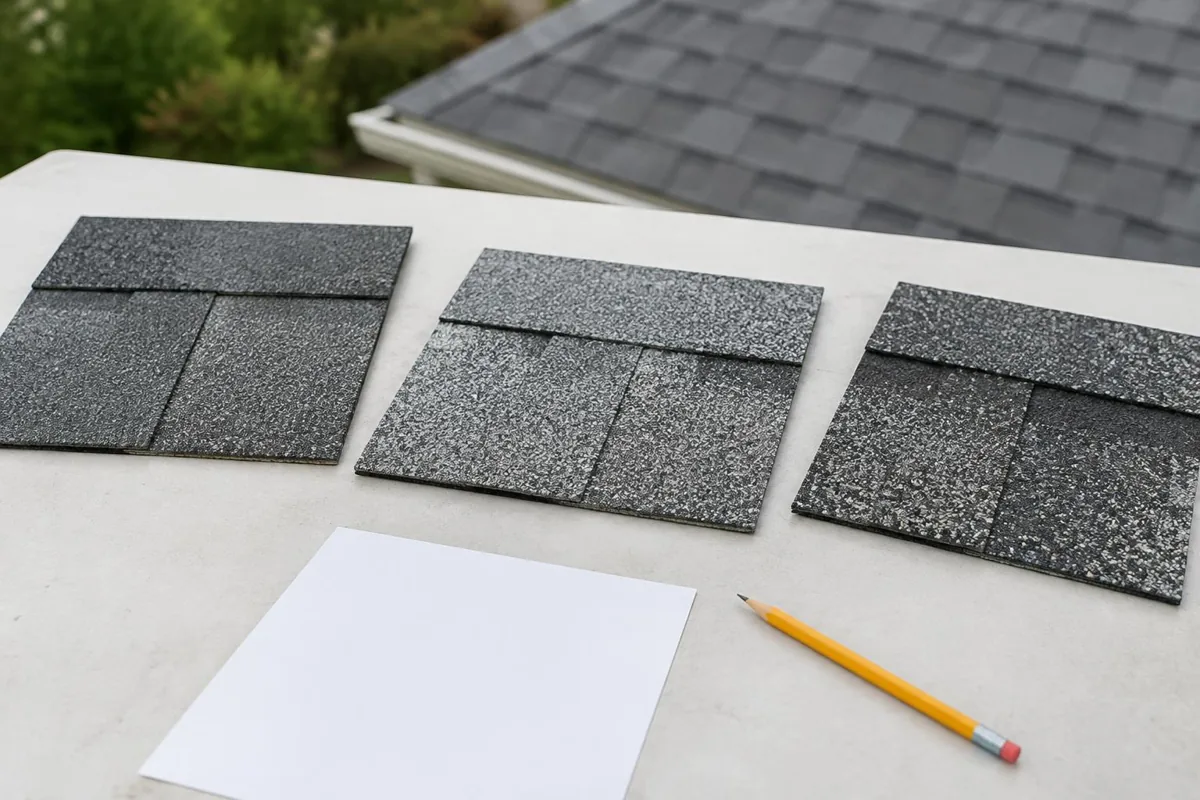
Draw two columns on a sheet. Label the first "Known shingle work." Label the second "Needs a scope check." Place a task in the first column only when the planned work is clear and confirmed. Put vague terms in the second column. Add hidden damage and other trades there too. Ask what each means.
This is a planning aid, not a permit test. It helps you state the question well. The village decides how its rules apply to the real project. A roofing firm must also explain what it plans to do. Do not make yourself guess on behalf of either one.
Keep a third small space below the columns for changes. A new finding may move a task from one column to the other. Write the date and reason. That note helps when you compare an early estimate with a later one.
- Known shingle work: Which roof area and which shingles are in the written plan?
- Needs a scope check: Is work on the roof deck, framing, or another system planned?
- Added trade: Will the job affect solar panels, wires, a vent, or a separate structure?
- Changed plan: What new fact changed the work, and who will review that change?
Shingle scope or added work?
- 1Shingle repair
Morton lists replacing or repairing shingles as no-permit work.
- 2Added tasks
That statement does not settle structural or solar work.
- 3Scope check
Ask the village about the full proposed work.
Prepare a repair packet, not a diagnosis
A helpful packet can be very small. Start with one short account of the problem. State when you noticed it and where you saw it. Then add a few safe, dated photos. Finish with the two-path sheet. The packet should help a firm inspect and explain, not push it toward a repair you guessed.
For example, write "a piece was found beside the garage." Do not write "the whole roof is failing." Keep the piece only if you can do so safely from the ground. Do not climb up to find where it came from. Ask the person who checks the roof to connect each finding to a place in the report.
Add what you know about past work. A dated receipt is more helpful than a guessed roof age. If you have no record, say that the age or past repair is unknown. There is no need to invent a date to fill a blank.
The roof inspection page can help you ask for a clear report. Keep the report behind the packet's first sheet so the scope sort can be updated from real findings.
Tell Us About Your Roof
Tell us what needs attention.
Ask for the smallest clear unit of work
A repair estimate should make its boundaries plain. "Repair shingles" leaves many questions open. Ask which slope or roof section is meant. Ask what nearby area will be checked. Ask whether the work ends at a visible edge or includes an adjoining joint.
You do not need to measure the roof yourself. The firm can state the work area in words, a marked photo, or a simple sketch. Pick a format you can read with ease. A clear drawing is helpful only if its labels match the written scope.
Next, ask what will remain in place. The answer can explain why two estimates differ. One might include an adjoining detail that the other leaves alone. Neither label alone tells you which plan fits. Ask each firm to explain its choice with the findings it saw.
Use the roof repair page for the broader list of repair terms. This Morton page is focused on keeping the work within a clear category as the plan develops. That helps you ask a narrow permit question without losing track of the roof problem itself.

Try the changed-scope example
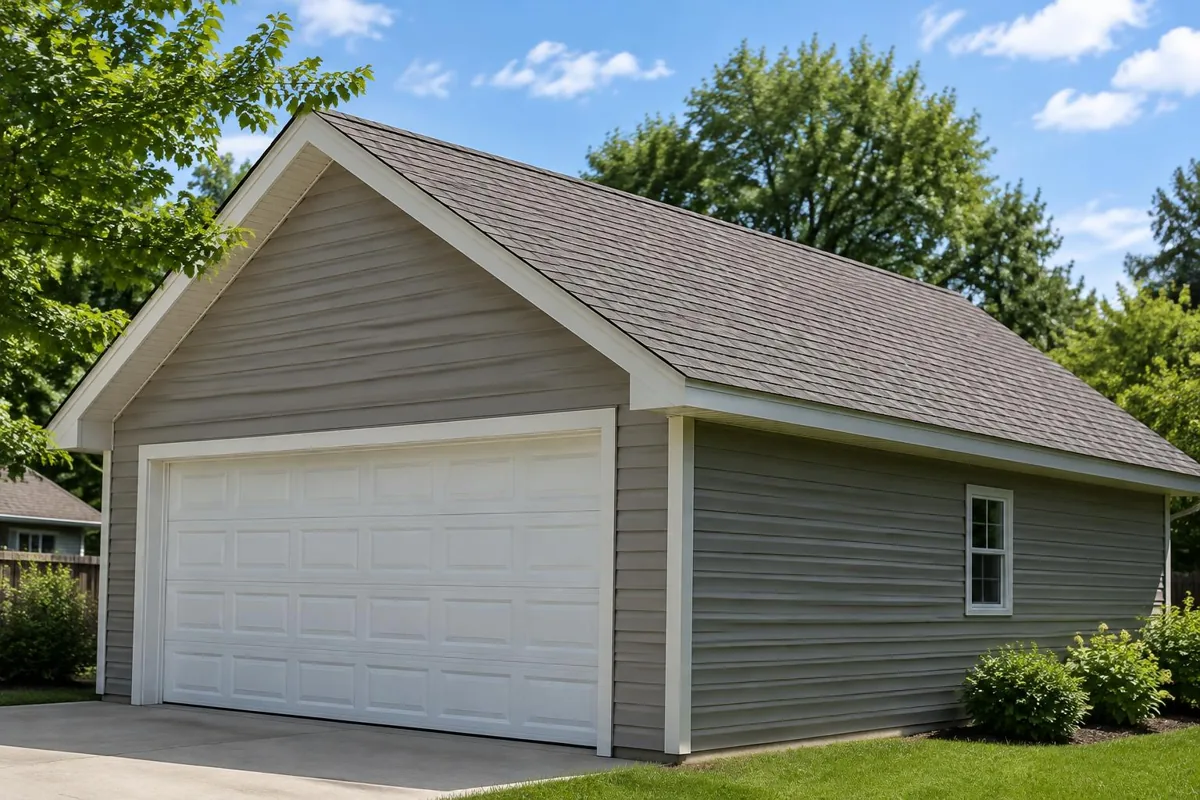
Consider a made-up Morton project. The first plan is to replace shingles on a garage. A later check raises a question about roof support. The owner now has two distinct items: the shingle work and the support question. The first rule does not settle the second item.
The helpful response is to pause that part of the plan for review. Ask the firm to describe the planned support work. Then ask the village which steps apply to it. Keep the answer with the revised scope. Do not copy a neighbor's permit experience unless the office confirms that it fits this project too.
Now suppose a second estimate includes no support work. The estimates are not ready for a price-only comparison. Ask why that task is absent. It may have been judged not needed, missed, or left for someone else. You need the reason in plain terms before you can compare the plans fairly.
When the scope changes
- 1New finding
Record the evidence and affected area.
- 2Revised scope
Get the added work and cost in writing.
- 3Village question
Recheck the rule if the work changes.
Compare firms on the same brief
Once your packet is ready, use the same problem account with each firm you choose to contact. Avoid changing the brief based on the first sales pitch. New findings can change the brief. Date the new version so later estimates use the same facts.
For each estimate, mark which tasks are included, excluded, or still open. Then ask about the open items. A short reply that fills a real gap can be more helpful than a long page of broad promises. Keep product choices apart from work scope so a brand name does not hide a missing task.
Morton's official permit page says roofing contractors must have an Illinois roofing license. Use the choosing-a-roofing-company page to plan checks on the exact business, license details, and written terms. A permit exemption does not replace those checks. Keep each business check with that firm’s current written offer.
Tell us where the leak, wear, or damage needs attention.
Make the site ready on paper
Before agreeing to a work plan, ask how the firm expects to use the property. Discuss where materials could be placed and how people will enter and leave the home. Do not promise access through a neighbor's land. If the planned setup needs permission, keep that as a separate item.
Ask what must move before work starts. A written list can help you prepare without guessing. The list might cover vehicles or movable items in the work zone. Even so, the firm should name the real needs. Do not move heavy objects or enter unsafe areas just to make a photo look tidy.
Ask who handles waste and cleanup, and how the firm will show that those tasks are done. Keep this part of the plan tied to the same building and scope. A garage repair may use a different access route from a house repair, even on one lot. Let the exact site guide the questions.
Close the planning loop
When you have a final scope, return to the two columns. Every item should have a clear place or an honest open note. If a task still lacks a description, ask for one before you compare totals. If the permit answer is unclear, seek a project-specific answer from the right office.
Save the accepted scope, any later changes, and the closeout record together. If required inspections apply to added work, keep the official result. Ask the firm what proof of done work it will give for the rest of the job. Do not use a dry day as the only proof that the original problem was resolved.
Your goal is a repair record that makes sense later. It should show what prompted the job, what was planned, what changed, and what was done. That record is helpful even when the final project stays within Morton's narrow shingle-work rule.
Roof Repair in Morton, IL: the key steps
Read the full transcript
Roof Repair in Morton, IL.
Morton lists shingle repair and replacement as work with no permit.
Added tasks need their own scope check.
Sort known shingle work from tasks that need review.
Leave uncertain items open rather than guessing.
A finding about roof support changes the question.
Ask the village about the revised work before assuming the rule fits.
Give each firm the same brief.
Ask why any task appears in one estimate but not another.
A permit exemption does not replace a business check.
Review the exact roofing firm and its written terms.
Your questions, answered.
Does all roof work in Morton skip a permit?
No. The village page names shingle repair and replacement. Check the full scope with the village if it includes structural work, solar, or other added tasks. Do not turn a narrow statement into a blanket rule.
Should I fill out a permit form before the roof check?
First learn which office serves the site and what work is planned. Ask that office which form or next step fits. This page cannot decide whether your specific project needs an application.
What if two firms disagree about extra work?
Ask each firm to point to the finding that supports its plan. Keep the replies with the estimates. If the disagreement remains, seek a clearer assessment before treating the totals as comparable.
Does the planning map include every Morton mailing address?
The full village shape is inside the circle. That does not establish the location of every address using Morton for mail. Check the real property if its location is unclear.
What should I put on the two-path sheet first?
Start with the work the estimate clearly describes. Put added trades, hidden work, and unclear terms in the second column. Ask for enough detail to sort those items before comparing the final plans.