See the steps below to plan the right work for your roof.
Roof Replacement in Peoria
Start with one key question: does the roof need full replacement, or can a sound repair solve the problem? One leak does not settle that choice. A roofer should check the roof as a whole. Ask what has failed, how far the harm goes, and which parts can still serve their role.
A new roof may make sense when faults spread across many slopes or repairs no longer hold. Broad wear, loose edges, and leaks in more than one spot call for a close look. Ask for photos and plain reasons. The goal is to fix the roof system, not just hide signs of wear.
Look at Signs, Not Just Stains
A ceiling stain shows where water came through, not always where it got in. Water can run along wood before it drips. Worn seals, loose flashing, and damaged roof parts may each play a role. Tell a roofer where you see damp spots and when they show up. Stay off the roof.
For background, GAF explains common leak causes at roof leak repair guidance. It also explains common repair parts at roof repair guidance. These pages can help you name concerns. They do not tell you what your roof needs. Pair what you read with a roof check. Get photos of the actual faults before you choose a repair or a whole new roof.
Set the Full Job Boundary
Before bids come in, name each roof area that needs a decision. The main house, porch, low slope, and garage may not share one roof type. Ask whether each area is in the price. Mark any area left out so you do not mistake a partial job for a whole-roof plan.
The scope should also name the parts that meet the roof. These may include walls, chimneys, skylights, pipes, and gutters. Ask what stays, what gets removed, and what gets replaced. A line that says only new shingles leaves too much open. Clear boundaries help each roofer price the same job for you.
Plan the Tear-Off
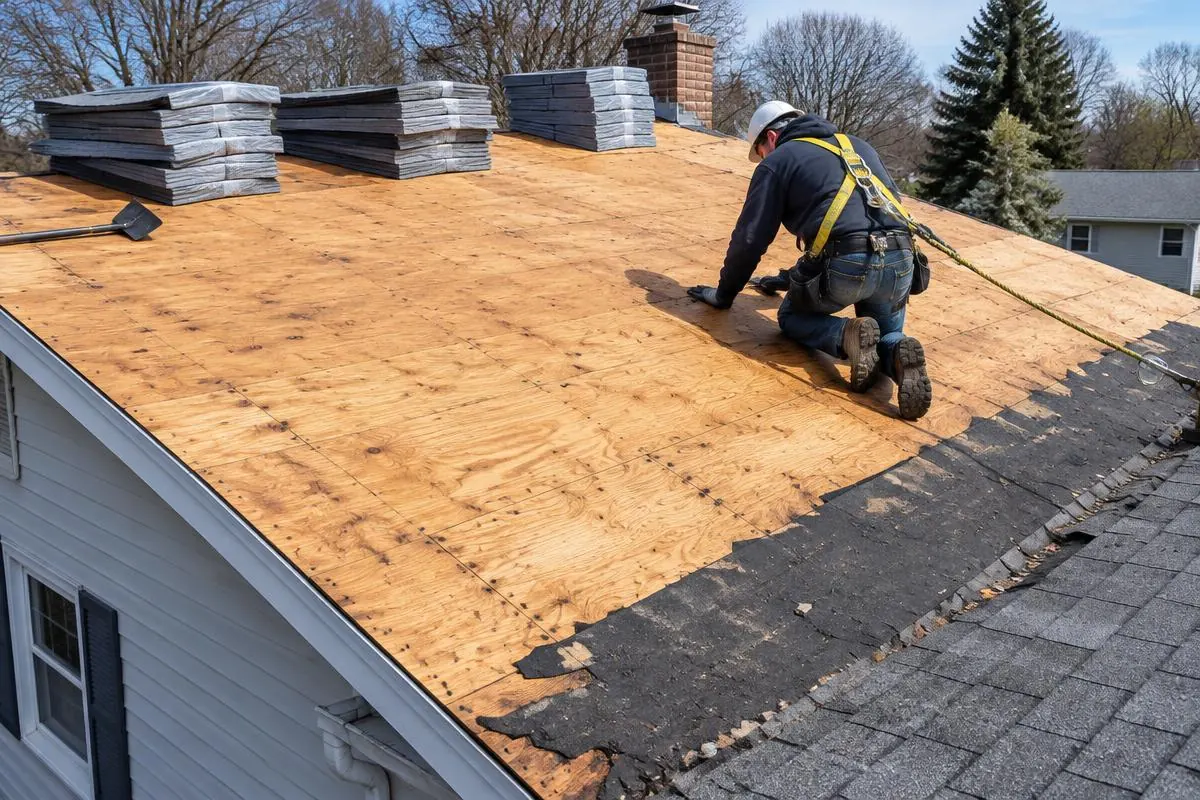
Tear-off removes old roof layers so a roofer can see the deck below. That view matters. Soft wood, loose boards, or hidden gaps may not show from outside. Ask how many layers the bid includes removing. Also ask how extra layers will be priced if the work reveals more than the first check found.
Ask how tear-off will be staged across the roof. Opening too much at once can leave a large area to protect. The plan should link removal to the amount that can be covered that day. It should also state where waste goes and how doors, paths, plants, and nearby items will be kept clear.
Tell Us About Your Roof
Tell us what needs attention.
Agree on Deck Repair Terms
The deck is the wood base that holds the roof fasteners. New shingles need a sound base. Ask a roofer to show you any soft, split, or weak spots once the old roof is off. The repair plan should fit the deck that is there, not rely on a guess made from the ground.
Hidden wood damage can change the bill. Set a clear rate or pricing method for deck repairs before work starts. Ask who will approve added work and how photos will be shared. The final bill should show the amount repaired. This makes a needed change easier to track and keeps surprises from becoming disputes.
From old roof to sound base
- 1Remove old layers
Ask how tear-off reveals the deck.
- 2Review the wood
Use photos to identify weak areas.
- 3Approve changes
Agree on the added wood work before it is covered.
Name the Layers Below the Roof
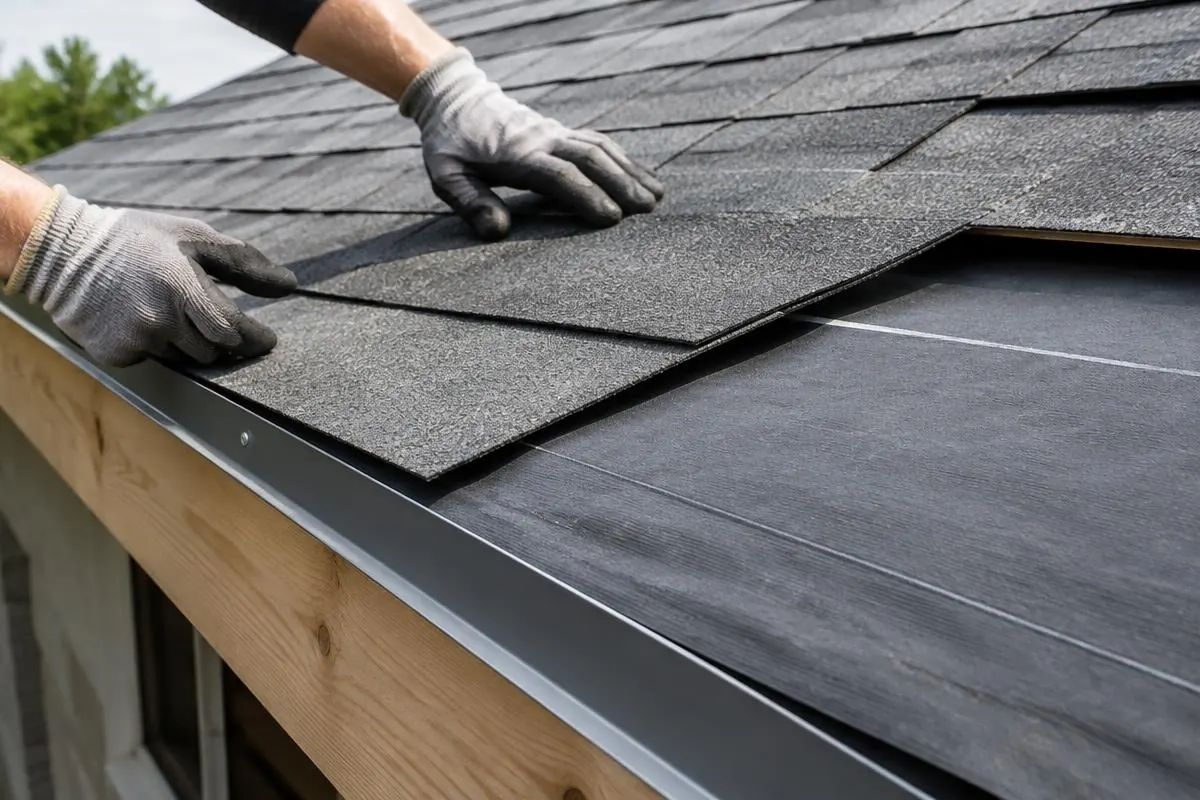
Underlayment sits between the deck and the roof cover. It serves as a water barrier beneath the outer layer. Ask for its type and where it will go. The scope should also name any self-sealing membrane planned for key areas. Do not assume all bids include the same layers just because the shingles match.
Roof shape affects where extra water protection may be needed. Valleys, edges, and places where roof parts meet deserve close thought. Ask a roofer to explain the layout and how it fits product rules and local code. Each layer should work with the next so water has a clear path off the roof.
Get Edges and Flashing Right
Roof edges need more than a neat shingle line. Ask how drip edge, starter strips, and gutter edges will meet. These parts help guide water away from the deck edge. Have the roofer explain which metal parts will be new. The scope should state how any parts kept in place will be checked.
Flashing directs water at joints where shingles alone cannot seal the roof. Look for written details at walls, chimneys, valleys, and pipe boots. Ask why any old flashing is being reused. A fresh roof cover should not hide a worn joint. Sealant may have a role, but it should not replace a sound flashing plan.
Match Vents to the Attic
Roof replacement is a good time to review attic air flow. Ask where air will enter and where it will leave. A ridge vent needs a matching intake plan, not just a slot at the peak. Have a roofer check for blocked paths and explain which old vents will stay or be removed.
More vents are not always the right fix. The layout needs to suit the attic and roof design. Ask how new vent holes will be cut, flashed, and covered. If the roofer finds damp wood or blocked soffits, ask what needs more review. Keep attic air issues separate from guesses about the leak source.
Tell us where the leak, wear, or damage needs attention.
Choose Materials for the Roof Shape
Choose the roof type before you focus on color. Shingles, metal, and low-slope roof products have different uses and install needs. Some roofs need more than one type. Ask a roofer which choices fit each slope and why. A porch with a shallow pitch may need a different plan from the main roof.
Compare the full system, not just the outer look. Ask about trim, ridge parts, flashings, fasteners, and upkeep. Check samples in daylight from ground level if you can. Get the exact product name and color in writing. If a swap becomes needed, agree that you will review it before the new product is used.
A full roof scope
- 1Roof cover
Name the product for each slope.
- 2Joints and edges
Name flashing, drip edge, and nearby parts.
- 3Air flow
Match intake and exhaust to the attic.
Protect the Home Each Day
Ask how the roof will be left at each day's end. The plan should cover open areas, unfinished joints, and any need for short-term covers. Ask who will check that protection before work stops. A planned daily stopping point matters as much as the first start date. The home must stay protected during work each day.
Ground care needs a plan too. Tell the roofer about pets, gates, parked cars, and items near the house. Ask where tools and waste bins will sit. Inside, move fragile items that could shift from noise or vibration. Keep children and pets away from work zones, and agree on a safe path to a door.
Check Hiring Details and Permits
Use the Illinois IDFPR license lookup as a hiring check. Match the roofer's business name and license details to the bid and contract. Ask for proof of insurance as well. Confirm the license number is active and matches the business name. The roofer you choose should be clearly named in your agreement.
For a property in Peoria, start with the city's official permit page at official Peoria permit page. Confirm what the job needs with the right local office. Ask who will obtain any permit and handle required checks. The permit plan should be in writing, with fees and duties clear before tear-off begins at your home.
Keep the Local Planning Area Clear
This page focuses on the Peoria, Illinois market. The planning circle runs 15 statute miles around East Peoria City Hall. That landmark is a map reference, not a site office. Metamora is only partly within the circle. Use the property's address, rather than the town name alone, when you discuss the roof location.
The planning circle does not set permit rules or prove that a roofer serves an address. Those are separate checks. Confirm the local authority for the home and ask each roofer about the job location. Share access limits as well, such as a tight drive or little room for a waste bin near the house.
Compare Costs Without Losing Scope
Roof size is only one cost factor. Pitch, height, access, old layers, and roof shape can all affect the work. Valleys and walls add detail. Deck repairs and material choice matter too. Ask for a bid that makes these factors clear rather than judging the whole job by one low total on the page.
Put bids side by side and mark the gaps. One may include new flashing while another keeps old metal. One may list wood repair rates while another leaves them open. Ask for a revised scope where details are missing. A clear comparison is more useful than a price that depends on unstated choices or exclusions.
Read the Written Scope Before Work
The contract should pull the roof plan into one place. Look for tear-off, deck terms, water barriers, edges, vents, materials, waste removal, and daily protection. It should name excluded work too. Check the payment steps and change process. Do not rely on a spoken promise for a part you expect the price to cover.
Ask how delays and product changes will be handled. Get a point of contact for questions once work starts. Read product warranty terms and any separate promise about workmanship. They are not the same thing. Ask what records you need to keep and what steps apply if a fault shows up after the job ends.
Close Out the Whole Roof
Before closeout, ask for photos of key work you cannot see from the ground. These may show deck repairs, covered joints, and finished roof details. Review the final bill against approved changes. Ask about permit closeout where required. Save the contract, product names, warranty papers, and paid records together in one place for later use.
Walk the yard and paths with the roofer, without climbing the roof. Check for waste, loose scraps, and damage to nearby items. Ask about nail cleanup and any work left to finish. For your next step, gather roof photos taken safely from below and a short list of concerns to discuss with a roofer.
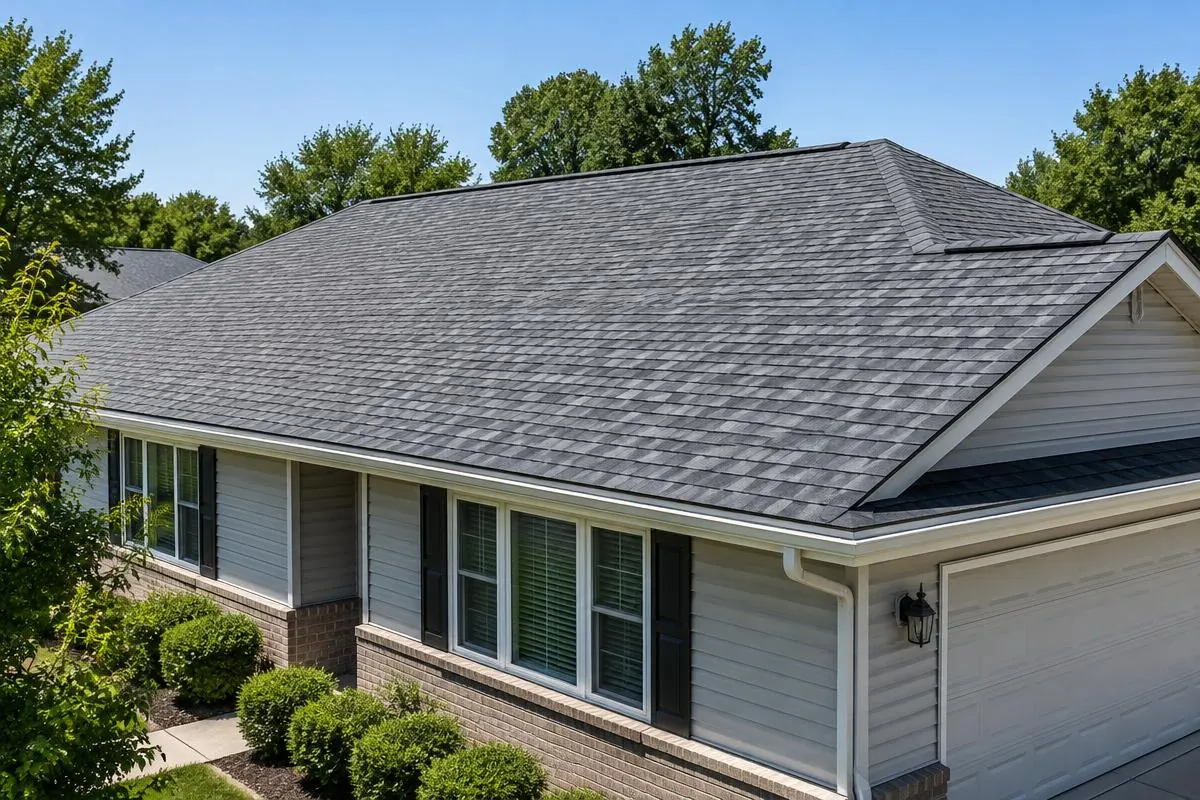
Roof Replacement in Peoria: the key steps

Read the full transcript
Roof Replacement in Peoria.
A roof replacement decision should rest on roof condition,
spread of damage, and the value of repair.
Roof tear-off reveals the wood deck,
so agree on repair pricing and approval before hidden damage appears.
A complete roof scope names water barriers, edges, flashing, vents,
and materials that work as one system.
Daily roof protection should cover open areas and unfinished joints
before work stops at the day's end.
Roof closeout should include work photos, approved changes,
warranty papers, cleanup checks, and records of required permits.
Your questions, answered.
Does a roof leak mean I need a whole new roof?
No. A leak may come from one failed joint or roof part. Ask a roofer to trace the source and check the rest of the roof. Compare a focused repair with replacement based on the extent of damage, not the ceiling stain alone.
Should old shingles come off first?
For a tear-off project, make removal explicit in the scope. It lets a roofer inspect the deck and address faults below the cover. If a bid proposes leaving a layer, ask how deck condition, product rules, local code, and added weight will be addressed.
How can I plan for hidden wood damage?
Ask for a deck repair rate or pricing method before signing. Set a process for photos and approval once damage is exposed. You may not know the full amount in advance, but you can know how added work will be measured, approved, and billed.
Do gutters have to be replaced with the roof?
Not always. Ask whether the gutters can stay and how the new roof edge will meet them. The scope should cover any removal, reset, or replacement. If gutters remain, ask how they will be protected and cleared of roof waste when work is done.
What should I have ready for a roof assessment?
Have your address, known leak spots, safe ground photos, and any past repair records ready. Note whether the porch or garage is part of the project. Ask the roofer for findings, options, and a written scope that covers the whole roof from tear-off through cleanup.