Keep the repair focused on the leak
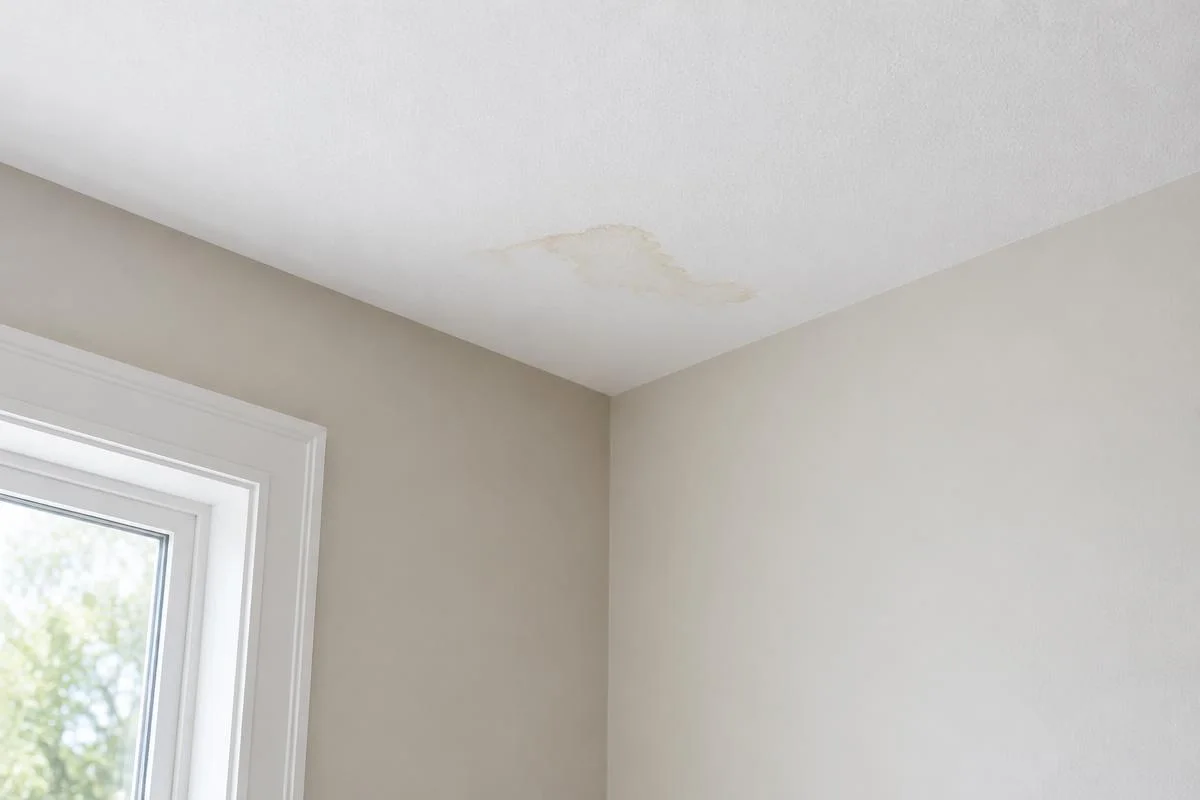
A metal roof leak does not mean the whole roof needs new panels. First, ask a roofer to trace the water path. The work plan should name the part that failed. Start with the room that gets wet and when the water shows up. Safe ground photos can help show the roof side.
Bring old repair notes if you have them. A seam patched last spring is a useful clue. Roof age alone may tell you less. Ask for photos of what was found. Then ask for a written line around the work to be done. Know which parts will stay in place.
Identify the roof before choosing the patch
Roofs that look alike from the street may use very different parts. Panels are the long metal sheets. Seams join their edges. Screws may be in plain sight or hidden under a seam. Share a product bill or label if you have one. Do not climb up to read a stamp.
Let the roofer name the roof system when the records are thin. Show where a new room joins an old roof. That joint may need its own work plan. A patch on the closest sheet may miss the water path. Mark parts you do not know as open questions for the site visit.
Four metal roof details to keep separate
- Fastener and washer
- Panel seam
- Penetration flashing
- Panel surface and corrosion
A named detail, evidence and repair boundary
Give exposed screws their own check
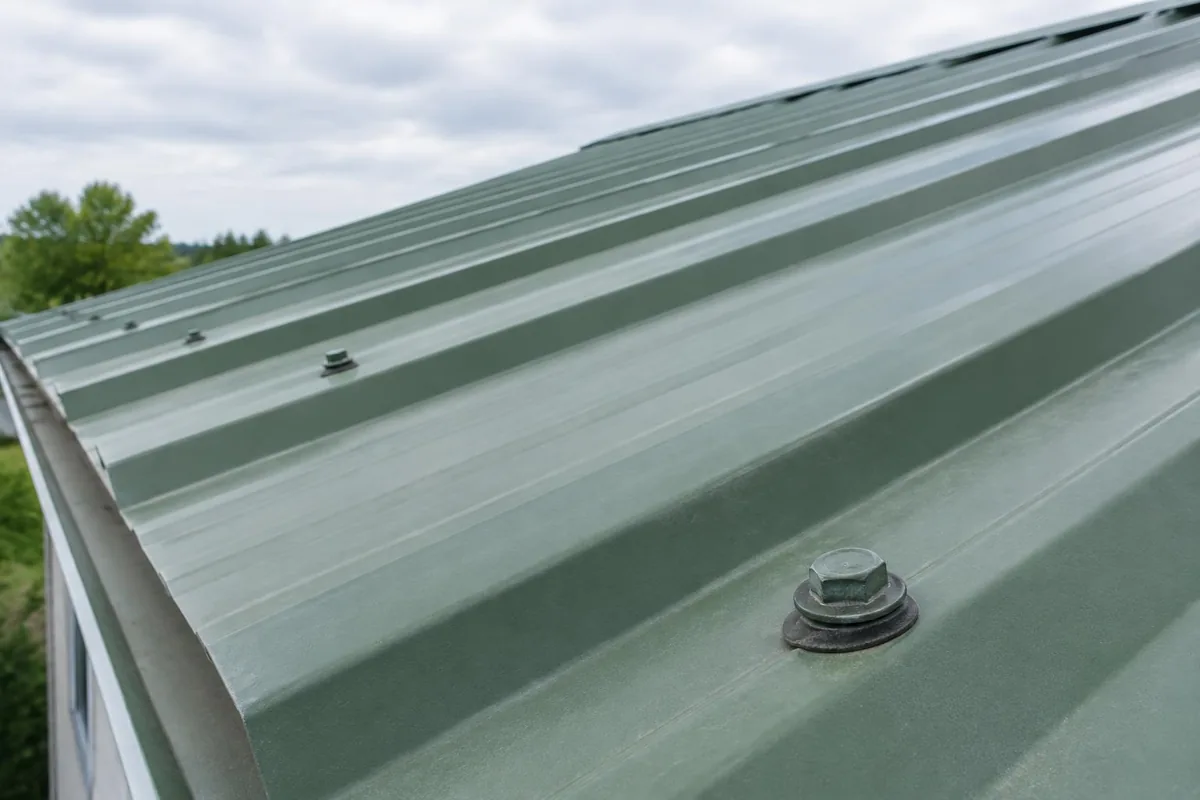
A fastener is a screw or other part that holds the panel down. On an exposed-screw roof, ask about the small seal under each head. This seal is called a washer. Ask if the screw is seated well and if the wood or metal below still holds it. Rust alone does not prove all screws have failed.
The Metal Construction Association says a screw driven too far can harm its washer. McElroy also explains screw choice and how it is lined up. That is why “tighten all screws” is not a full repair plan. Ask which spots need work. Ask what part is approved if an old hole no longer holds.
Trace seams and roof openings separately
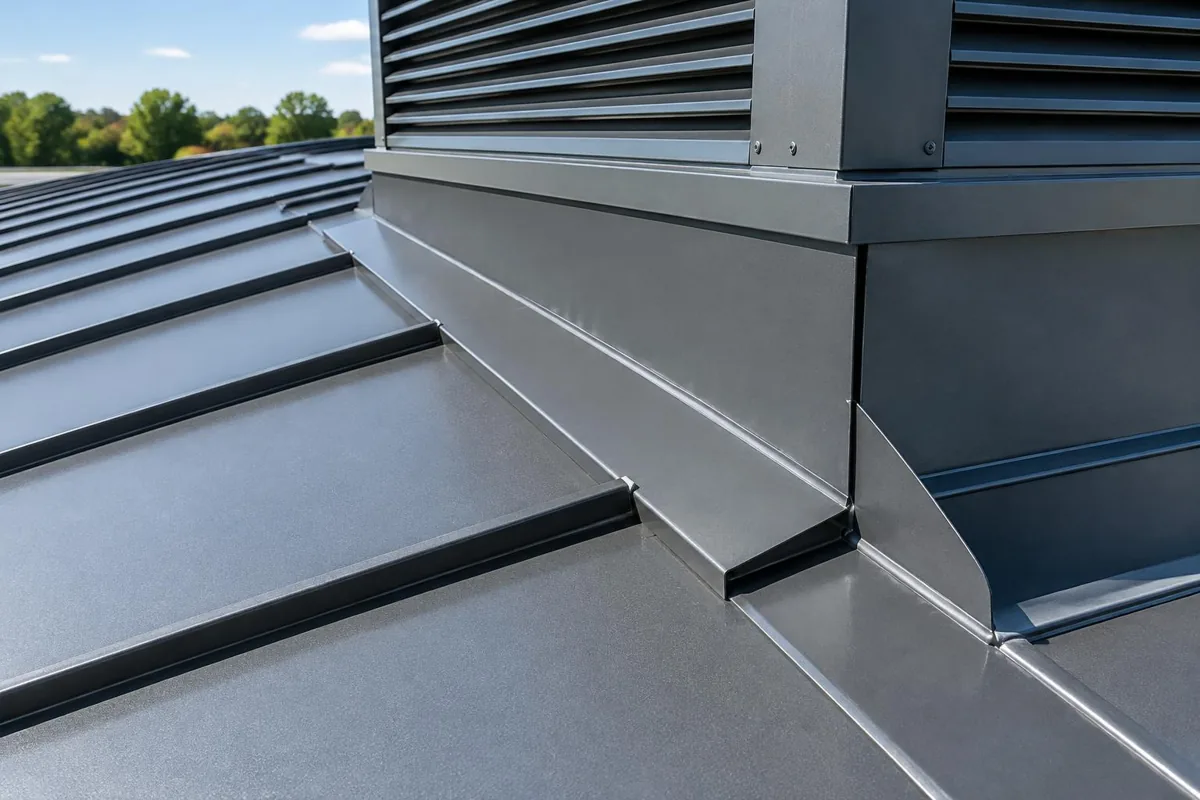
A leak near a joint calls for a seam check. A leak near a pipe or wall calls for a flashing check. Flashing is the metal that keeps water out at roof joints. These are different tasks, even if the stain is in one room. Ask for proof that links the stain to the roof finding.
On a raised seam, ask how the work fits that panel system. At a roof opening, ask how new flashing will join the sheet and drain water. A bead of sealant is not a full work record. Ask what will be opened, cleaned, taken out or rebuilt before the joint is closed.
Request a Peoria metal roof repair review
Tell us what needs attention.
Do not hide the corrosion question
Rust can be on the finish, screw, cut edge or panel. Ask for a close photo and a wider one that shows the setting. A change in color is a clue to check, not a full verdict. The bid should say what can be treated. It should also name what may need to come out.
Some metals do not work well together when wet. The Metal Construction Association says contact or runoff from certain other metals can cause rust damage. Ask what metal the new patch uses. Check new screws and flashing against the roof that is there. A vague “metal patch” line leaves that question open.
Compare three possible scopes
A small detail repair should name the joint, screw group or opening. Work on a panel should mark the part of the sheet at issue. Ask how joints next to it will be handled. A bid for a whole new roof should explain why a smaller fix would leave the main fault in place.
Compare access, removal and new parts on each bid. Ask how hidden work will be checked and priced once the roof is open. Wet wood or other layers may change the plan. You do not have to pick the widest scope to be careful. You need clear proof that the work fits the finding.
Metal roof repair brief
Known facts and open questions
- Panel style
- Unknown
- Main concern
- Unknown
- Prior patches
- Unknown
- Room or roof side
- Unknown
- Identify the panel product before choosing repair materials.
- Trace the symptom before naming a failed detail.
- Check concealed layers beneath the metal.
- Show the written repair boundary and the evidence for it.
Build your metal repair brief
Use the worksheet to note panel style, the leak spot and past patches. Unknown is a useful answer. Keep what you saw apart from what you think caused it. The record gives you questions to ask at the site visit. It cannot tell from a photo which part of your roof has failed.
For example, water by a vent on an exposed-screw roof raises two checks. Ask about pipe flashing first. Ask about nearby screws if the findings point there. This does not say that every screw has failed. Copy or print the record for your own notes. Then use the form to describe the roof concern.
Make the repair easy to review later
Before work starts, agree on photos of the open area and the finished joint. Ask for the part names, date and written work terms. Keep the final bill with the first site notes. That way, a future roofer can see what changed. Save records for any part that stayed in place as well.
If water returns, note the room and the rain conditions again. Was it a brief shower or rain with wind? Give that record to the business that did the work. If the review points to a new roof instead, use the metal roofing page to compare systems. A repair request starts with the fault, not a sales guess.
Your questions, answered
Can a metal roof be repaired without replacing every panel?
Sometimes. It depends on the failed part, nearby metal and the layers below. Ask for the smallest sound fix. Ask why more work may be needed if a wider scope is proposed.
Should all the screws be tightened?
Not as a default. Ask about screw type, washer and the surface that holds it. A screw that will not hold needs a different approved fix from one that is seated poorly.
Will a coating stop my metal roof leak?
A coating needs its own review. Ask how the leak source, wet layers and panel faults will be handled first. A coating price alone does not explain that work.
What should I include in my request?
Give the town, wet room, leak timing and known repair history. Ground photos help. Leave close screw checks and roof measurements for the site visit.