Turn a hail concern into a documented inspection
Hail in your yard gives you a good reason to check for changes safely. It does not tell you the state of every roof slope. Start your Peoria hail request with the date. Say what you saw change. Say if water is coming in. Ask for a roof check with photos and clear findings.
Wait until it is safe to go outside. Use views from the ground and the rooms inside. Do not check the roof or get close up yourself. Leave that to trained people. You can ask for help even before you know if hail caused damage.
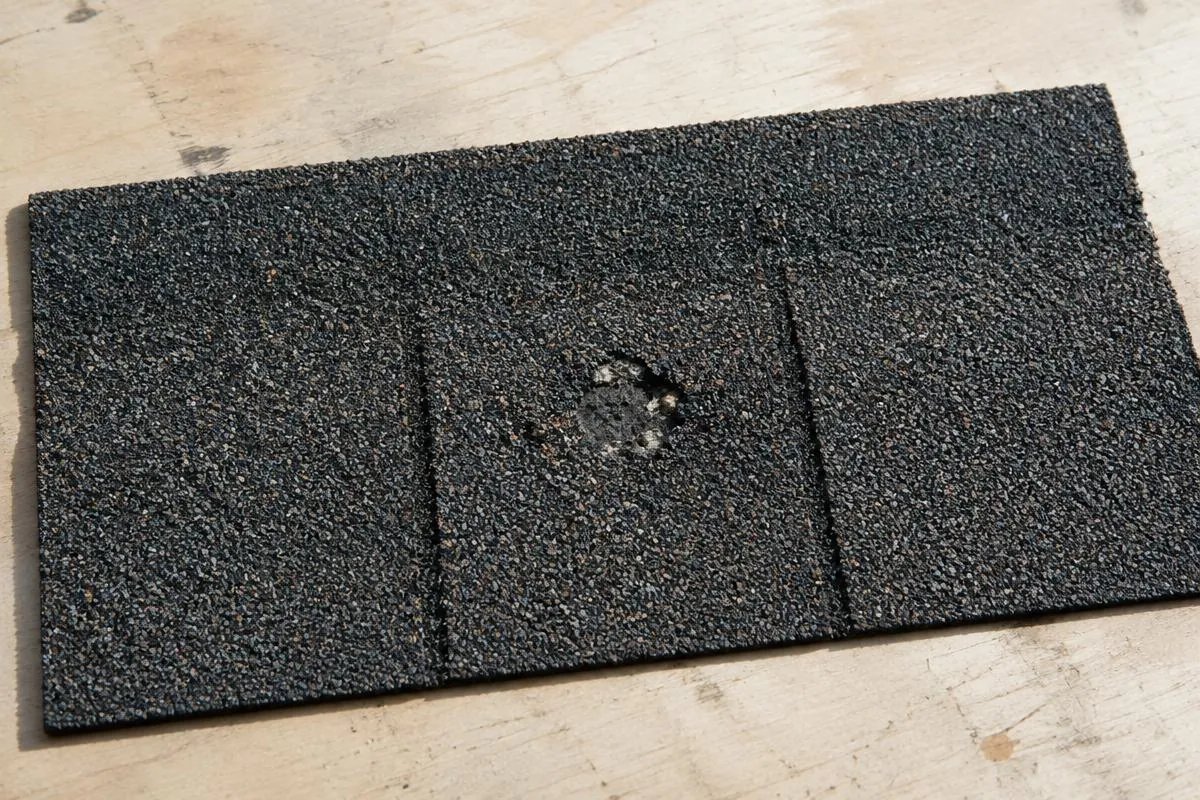
Distinguish an observed mark from a damage finding
A dent, a bare patch, or a changed shingle look is worth writing down. But its real cause and meaning still need a check. GAF's hail guide lists some impact clues. It notes some damage may not be easy to see at all.
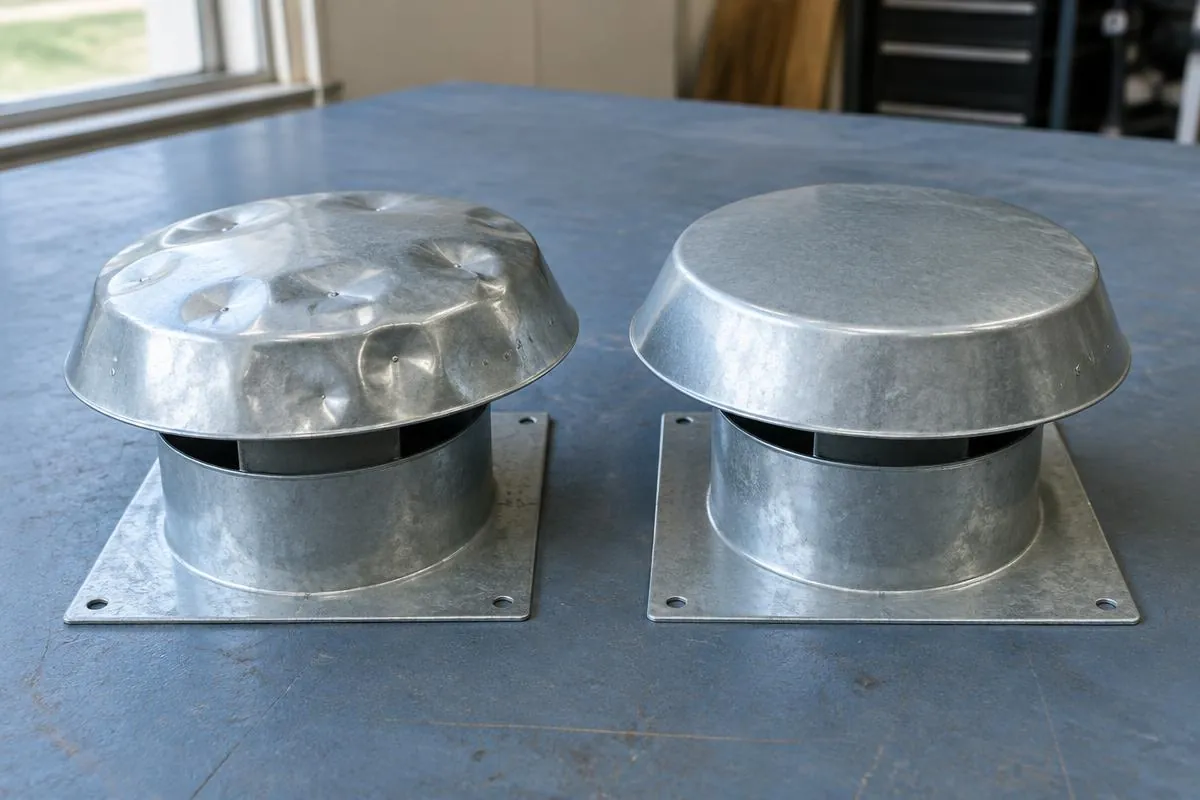
Ask the checker to explain what each photo shows and why it matters. Does it show roof damage? Does it show a dented metal part? Or is it something unrelated? The report should not call all worn spots storm damage. It should not call a roof fine just because one ground photo shows no hole.
Keep the weather record separate from roof evidence
Write down when you saw the hail. Save any official weather report that matches. Keep that in one part of your file. Keep property photos and roof findings in another part. A weather report tells you about the storm. It does not check your actual roof.
You may have taken a safe photo of the hail. Keep the original file. Keep its date too. Do not guess the stone size from memory. Do not call that guess a fact. If you have no event photo, just say so. A true record beats a story that goes beyond the facts.
Keep four records distinct
- Weather event record
- Property observations
- Roof inspection findings
- Repair scope and insurer questions
No automatic causation, coverage or damage score.
Ask for a roof-area map with the photos
A pile of close-up photos can be hard to read later. Ask for a simple roof sketch. Ask for a labeled photo instead. It should show which slope, vent, or edge each one is from. It should show how each one connects to the planned work.
Ask for a note on any spot no one could check. Ask if the check covered the whole roof. Or did it just cover the one reported spot? This helps when two people give different opinions. They may have checked different spots. They may have used different proof. They may have missed parts of the roof.
Compare repairability before accepting a full replacement
A repair bid should name the affected spots. It should name the new material. It should explain how it joins the old roof. A full-replace bid should explain why a smaller repair will not work. Neither bid should lean only on the fact a storm happened.
Ask about getting matching material. Ask about the shape of nearby roofing. Ask about any hidden work under the surface. Keep looks and water-tightness as separate questions. Make sure the written plan covers both. Your roof may have more than one material. If so, ask for a separate answer for each one.
Request a Peoria hail roof assessment
Tell us what needs attention.
Keep the roofing bid and insurance questions distinct
The roofer's bid explains the planned work. Your insurer decides what the policy covers. The Illinois Department of Insurance gives clear advice. Write down the damage. Keep repair receipts. Ask your insurer about their claim steps. Their disaster page is a good official source.
Ask your insurer about report rules. Ask about your deductible. Ask about check-up steps. Ask about any approval needed before lasting repairs. Do not assume your neighbor's result applies to you. Keep records of any temporary fix too. A roofer saying you need a new roof is not the same as insurer approval.
Hail inspection evidence packet
Known facts and open questions
- Event date or uncertainty note
- Unknown
- Observed changes
- Unknown
- Inspection status
- Unknown
- Areas and photo notes
- Unknown
- Insurer questions to ask
- Unknown
- Ask for a roof condition assessment; visible marks do not settle damage or coverage.
- Weather record
- Property observations
- Inspection findings
- Insurer questions
Build the hail evidence packet
This tool organizes the event date. It organizes what changed. It organizes safe photo notes and the check status. It makes a list of records you still need. It lists questions to ask about the repair plan. It never gives a hail score. It never guesses an insurance payout.
You can mark a date as unsure. You can mark a roof area as not checked. Those stay visible in the record. Water may be coming in right now. If so, the tool adds a temporary fix question. That way the leak does not get lost in the paperwork. Print the packet before you use the hail repair request form.
Finish the repair with the evidence trail intact
Work may start soon. Before it does, agree on how surprises get written down. Ask for signed approval on any scope changes. Save the finished photos with the first check report. A clear trail helps you see what got fixed and what did not.
After the job, keep material names and work terms with your invoice. A dry ceiling is not proof the job matches the plan. Compare the finished work to the agreement. Use this hail page for impact marks. Use the wind damage page when shingles or edges have moved.
Your questions, answered
Does hail in my neighborhood prove my roof is damaged?
No. It supports the timing of a possible storm, but your roof needs its own check. Keep weather facts and roof facts in separate notes. Ask the report to link findings to the fix.
Can a photo tell whether a mark is hail damage?
A photo can help, but its angle, scale, and spot all matter. Have a trained checker explain the finding in person. Do not pick a full repair plan from one close-up photo alone.
Will insurance pay for a replacement?
That depends on your policy and the claim review. Ask your insurer directly about coverage and next steps. This tool only organizes your questions and records. It does not guess benefits or promise a claim result.
What if there is no leak inside?
You can still ask for a check after you see changes. A dry ceiling does not answer every roof question. Ask for written findings and a fix plan based on the roof itself.