See the steps below to plan the right work for your roof.
Two ways to hold a metal roof
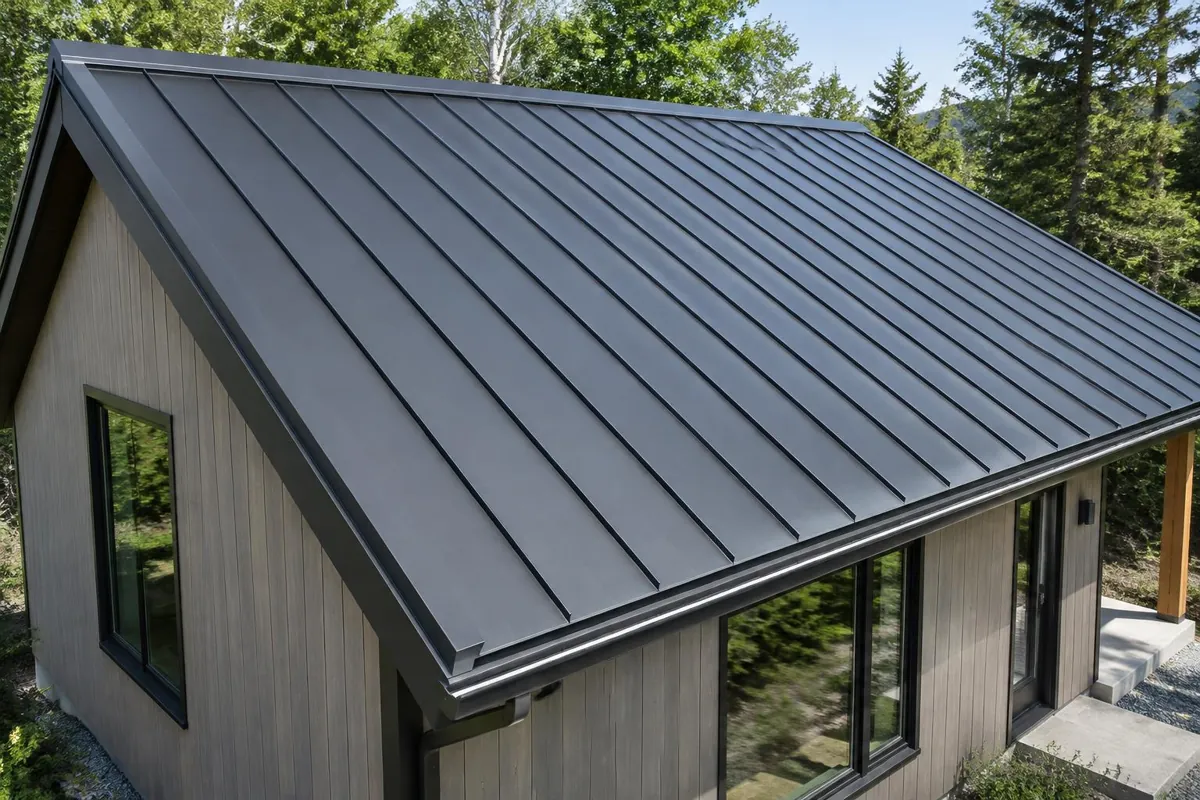
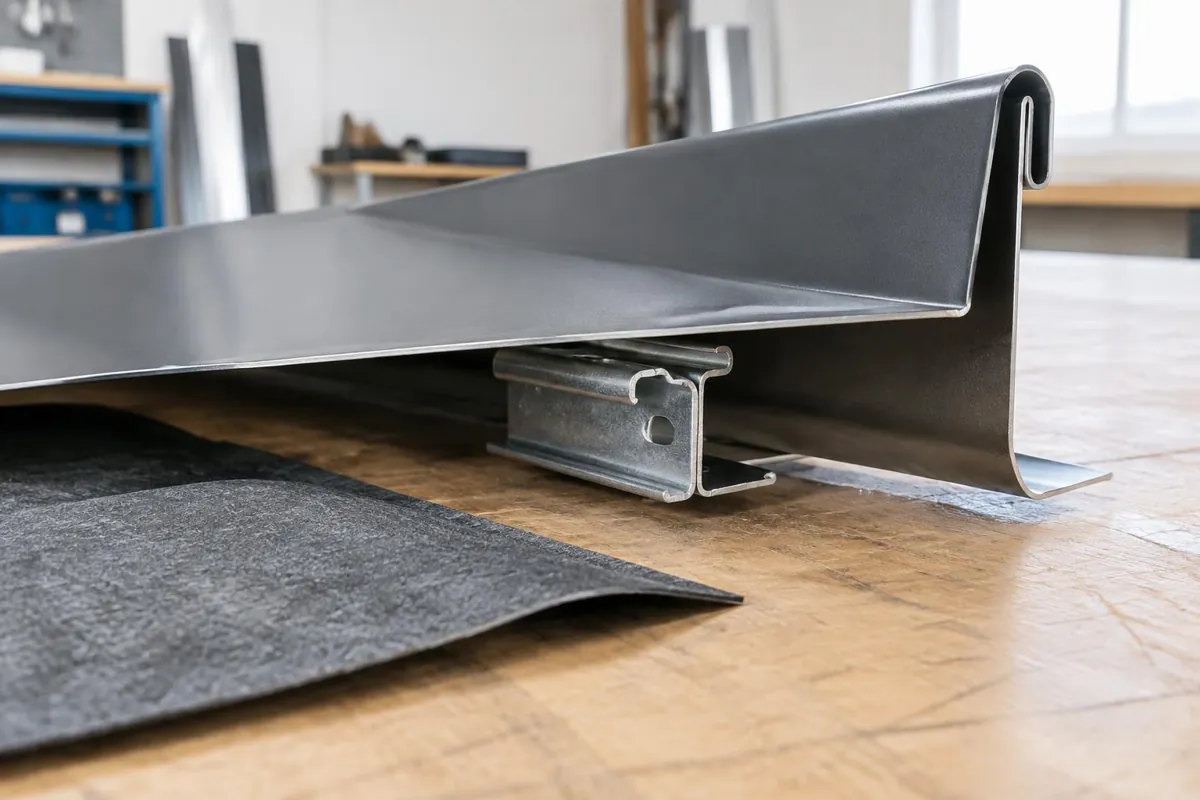
Standing seam roofs have raised joints that link each panel to the next. Many use hidden clips, while some use a built-in fastening flange. The attachment method matters as much as the seam shape. Ask a roofer to name the exact panel. Ask how that panel stays in place as it moves.
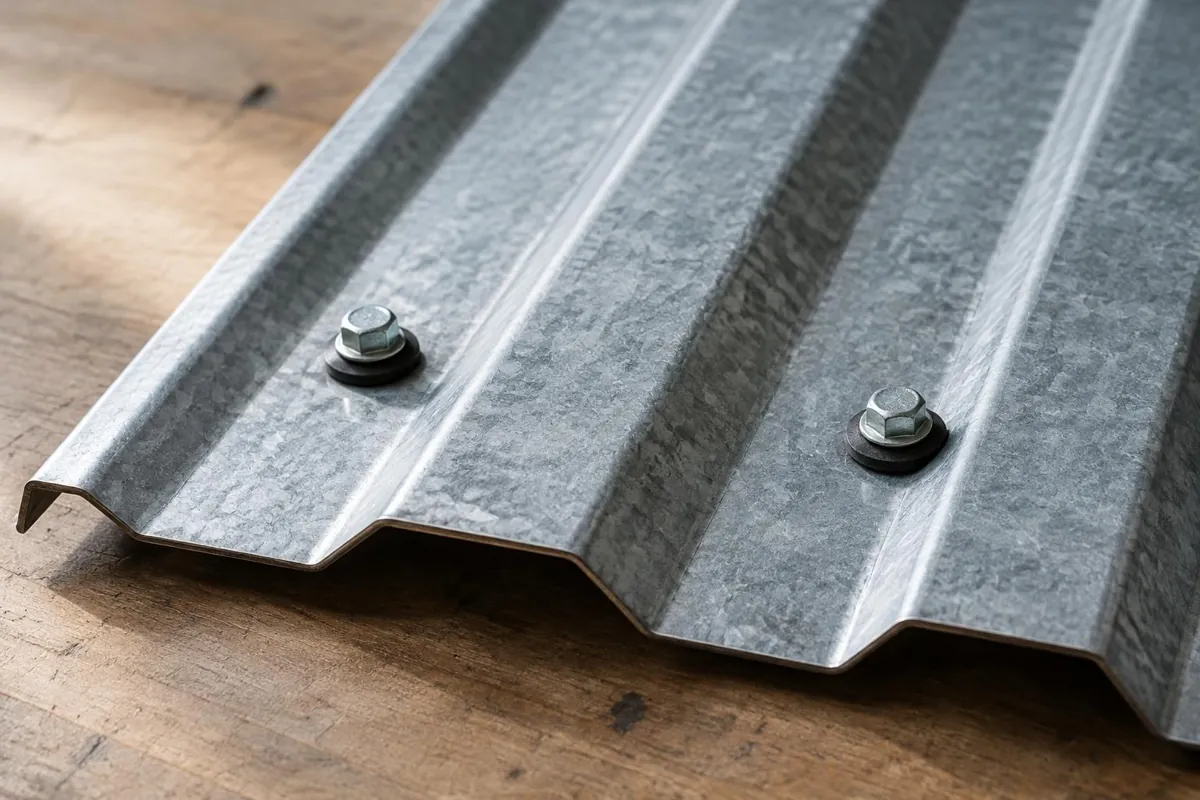
Exposed fastener roofs have screws that pass through the panel face. A washer seals each screw hole when the screw is set right. These roofs can be a sound choice where the system fits the project. They also leave more seals out in the open. Washer condition becomes part of long-term care.
Two attachment paths
- 1Standing seam
Most fasteners sit under the seam; clips must fit the system.
- 2Exposed fasteners
Washer seals sit at screw holes; check age and seating.
- 3Movement
Use the selected system’s fixed and moving details, not a universal clip rule.
Give panels room to move
Metal grows when it warms and shrinks when it cools. Long panels can move more than short ones. A roof needs a planned way to handle that change. A panel may get pinned where it should slide. If so, stress can build at screws, seams, and roof edges. The results may include leaks or bent metal.
Clips may hold a seam while letting a panel shift along its length. Other systems allow movement through slots or their own approved details. Not every clip slides, and not every roof uses clips. Ask where the panel is fixed and where it can move. Ask how that plan works near curbs and walls.
Washers need the right screw setting
A sealing washer is small, but its job is not. A loose screw may leave a gap. A screw driven too hard can damage the washer and its seal. A screw set at an angle may not seat its washer properly. These faults can let water reach the hole beneath the screw.
Have a roofer check for loose screws and worn washers. Also check for rust near holes and places where holes have grown wide. Simply tightening every screw is not a full repair plan. Some holes may need an approved repair or a panel change. The screw type, length, and base material must work together to hold the roof.
Match the roof to its slope
A metal finish does not make every panel right for every pitch. Some panels need more slope than others to shed water. Seam type, panel laps, and sealant details can change the allowed use. A porch or low rear roof may need a different system. The steeper main roof above it may need its own system.
Ask a roofer to measure each roof plane. Ask them to compare it with the panel maker's limits. Do not rely on a label such as standing seam alone. A snap-lock seam and a mechanically closed seam may have different rules. Low spots and sagging areas also deserve a check. Check them even when the overall pitch looks adequate.
Tell Us About Your Roof
Tell us what needs attention.
Check what will support the panels
The substrate is the surface or framing beneath the roof. Some metal systems need a solid deck. Others can span supports when designed for that use. A roofer should check the required support spacing, deck condition, and screw grip. Soft wood does not become sound just because new metal covers it. The same is true of weak attachment points.
An overlay may look like a way to avoid tear-off. It still needs a clear plan. Old layers can hide damage. They can also make a flat base harder to achieve. Added strips or framing change how the roof is held down. Compare tear-off and overlay scopes. Ask how each lets a roofer find and fix hidden trouble.
Choose the right underlayment
Underlayment is a layer beneath the panels. It helps manage water that gets past the outer roof, though it never acts alone. It is not a fix for poor seams or bad flashing. The chosen product must suit the metal roof assembly. Heat limits and deck type matter for this hidden layer. Contact with nearby materials matters too.
Ask how the layer will run at eaves, valleys, wall joints, and roof openings. Some areas may call for a self-adhered membrane, based on the system and local rules. The scope should also show how laps shed water. A vague line for underlayment gives little help when two bids use very different products.
Sort out leaks and condensation
Water beneath metal does not always come through a hole. Warm, damp indoor air can reach a cold surface. It then turns into drops. This is condensation. A wet roof deck, damp insulation, or rust on the underside can point to that process. A leak and condensation can also happen on the same roof.
A roofer should trace the water pattern rather than guess from one ceiling stain. Ask for a check of roof joints and attic air leaks. Ask about bath fan routes and the roof's drying path. Note when you see dampness and where it spreads. Photos taken from safe indoor spots can help show changes over time.
Water entry or condensation?
- 1Exterior path
Check seams, roof slope, flashings, and compatible metals.
- 2Indoor moisture
Check air paths and ventilation; a stain alone does not locate entry.
- 3System choice
Match support, underlay, panel, and joints as one assembly.
Plan air flow with the roof assembly
Many vented attics use low intake vents and high exhaust vents. Their intended air path must stay clear. Blocked intake can limit that path even when ridge vents are present. Insulation should not choke off the intended air space. Fans that serve baths or other damp rooms should not dump moist air into the attic.
Not every roof assembly uses attic vents. Some need an unvented design with planned insulation and air control layers. Adding vents without knowing the design can create new problems. Ask a roofer to explain how the proposed roof controls indoor air leaks. Ask how it manages moisture and dries out if water gets in.
Tell us where the leak, wear, or damage needs attention.
Keep unlike metals from causing corrosion
Two different metals can react when they touch and moisture is present. Water that runs off one metal onto another can also cause trouble. Copper, steel, aluminum, and their coatings are not freely interchangeable. A roof plan needs to account for nearby gutters, pipe flashings, and wall caps. It must also account for metal left from earlier work.
Ask which screws, rivets, flashings, and sealants the panel maker allows. Where metals must stay apart, the separating detail needs to last and drain well. Coated panels also need care at cut edges and scratches. Metal scraps left on the roof can rust and stain the finish. Cleanup belongs in the scope for that reason.
Make every roof detail system-specific
Most roofs have more than open fields of metal. Valleys gather water. Walls need flashing that directs it back onto the roof. Pipes need seals that fit their shape and allow for movement. At edges, closures and trim must work with the panel ribs. These details should match the selected system, not a generic sketch.
Ask how each opening will be flashed without trapping water or pinning a moving panel. A thick bead of caulk is not a substitute for a sound joint. Sealant still has a role where the system calls for it. The written scope should name the parts being replaced. It should identify any flashing proposed for reuse.
Read the signs before choosing a repair
A drip near a pipe may start at its flashing. Water can travel, though, before it shows indoors. Rust at a screw may mean a failed seal or damaged coating. A loose edge may have an attachment problem. Ripples in flat panels need a separate check from a leak. Appearance alone does not locate water entry. Each needs its own check.
A useful assessment separates surface concerns from water entry and weak support. Ask a roofer to mark the affected areas and explain the likely cause. Then compare a targeted repair with broader panel work. Avoid treating a whole roof with sealant too soon. Learn first whether the fault lies in a joint, a fastener, or the base.
Compare cost through a clear scope
Panel and seam choices can change the labor and details needed. Yet panel style alone cannot settle the cost. Roof shape, slope, and access affect the scope. So do tear-off, deck repairs, and the number of openings. A plain roof and one with many valleys are not equal projects. That is true even at the same size.
Compare bids for the same work rather than just the same metal color. Check panel thickness, finish, fastening method, underlayment, and flashing. Ask how hidden deck damage would be priced if found. Include the expected care for exposed washers in your decision. A lower first bill may come with a different upkeep plan.
Check Peoria permits and hiring details
For a property in Peoria, start with the city's official permit page. Confirm the rules for the actual address and proposed work. A mailing address alone may not settle which office has authority. Ask who will handle any required permit. Ask how the scope will reflect the approved roof assembly.
Use the Illinois IDFPR license lookup as a hiring check for a roofer. Match the listed name with the business on the proposal. Review its license status before you sign. Its planning circle runs 15 statute miles around East Peoria City Hall. That circle is not a site office. Metamora is only partly inside it.
Prepare for a useful roof assessment
Start with photos from the ground and any safe indoor views of stains. Note which roof sections have trouble and when you first saw it. Note any past patches you know about. Stay off the roof. Share your main goal. It may be to stop a leak, cut upkeep, or choose a full replacement system.
Ask a roofer for a written finding before choosing panels by looks alone. It should link each problem to a proposed detail and explain what still needs checking. For a replacement, ask for a clear panel model and assembly description. That makes it easier to compare options. Do not assume all metal roofs work the same way.
- Name the panel and seam type.
- Show how movement is handled.
- List base layers and flashing work.
Metal Roofing in Peoria: the key steps
Read the full transcript
Metal Roofing in Peoria.
Standing seam hides most fasteners,
while exposed fastener panels rely on washers to seal each screw hole.
Metal roof panels expand and shrink,
so their attachment details must allow movement without stressing roof joints.
A metal roof needs suitable support and underlayment,
with each layer matched to the selected panel system.
Condensation beneath metal can mimic roof leaks,
so moisture checks should include indoor air paths and ventilation.
Roof slope, flashing shapes,
and compatible metals all matter when choosing a complete metal roof assembly.
Your questions, answered.
Is standing seam always the better choice?
No. Hidden fasteners reduce exposed washer seals. Even so, the roof still needs the right pitch, base, and details. Exposed fastener panels may fit some projects well. Choose by the full assembly and care needs. Do not choose by a claim that one style is best for every home.
Can loose roof screws just be tightened?
Some may need adjustment, but a roofer should first check the washer, hole, and support below. Tightening a screw in a worn hole may not restore its grip. Driving it harder can damage the seal. The repair should address why the fastener came loose.
Will a metal roof stop attic moisture?
Not by itself. Metal panels shed outdoor water; they do not stop damp indoor air from reaching cold surfaces. The attic or roof assembly may need air sealing, insulation changes, or a better vent path. Find the moisture source before treating the panels as the cure.
Can existing flashing stay under new metal?
Only if it fits the new system, remains sound, and uses compatible materials. Its shape may not work with new ribs or seam heights. Ask a roofer to identify each reused piece and explain how it will drain. Reuse should be a checked choice, not an unstated shortcut.
What should I ask about a low-slope porch?
Ask for its measured pitch and the exact panel's allowed slope. Also ask how seams, wall joints, and drainage will work there. The porch may need a different roof system from the main house. A matching color does not require using the same panel on both.
Sources behind this page
- GAF roof repair guidance
- Illinois roofing license resources
- Sheffield Metals: Reviewing Panel Profiles
- Sheffield Metals: Metal Roofing Clips
- Metal Construction Association: Proper Tools for Fastening Metal Panels
- Sheffield Metals: How to Choose the Right Underlayment for Your Metal Roof
- Building America Solution Center: Vented versus Unvented Attic
- Building America Solution Center: Vented to Unvented Attic
- Metal Construction Association: Dissimilar Metal Corrosion in Roofing Installations
- McElroy Metal: Tips for Selecting and Installing Screws in Metal Roofing