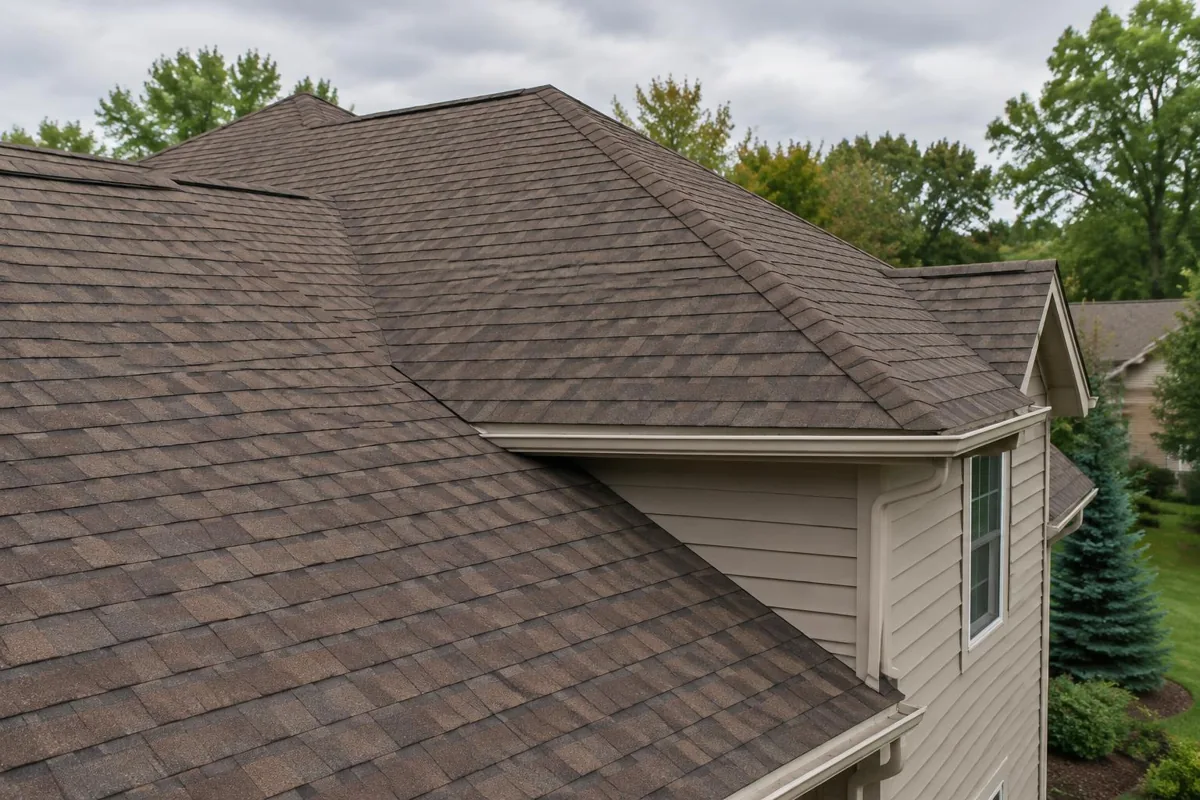
See the steps below to plan the right work for your roof.
Use the Illinois city source
Start with the City of Washington, Illinois Building and Zoning page. It places non-structural roofing in its no-permit column. It lists truss or structural support work in the permit-required column. That distinction was checked on October 8, 2026. It gives you a helpful question to ask about the real scope.
Do not decide that work is non-structural just because an estimate calls it a repair. Ask the firm to explain which roof parts it will change. Then ask the city how its rules fit that work. This page does not make a project-specific permit ruling.
Use the state name when looking up local sources. Washington is a common place name. Confirm that a page belongs to this Illinois city before applying its guidance. Use the local source for permit questions. Use the findings and written scope to compare your roof options.
Fix the property question first
A Washington, IL mailing address is a helpful place to start. It is not the full answer to which office has authority. Check the parcel and city line if either is unclear. Ask the city to confirm the right route. Do that before you rely on its rules for the site.
The entire Washington municipal shape is within this page's circle. The circle extends 15 statute miles from East Peoria City Hall by direct map distance. The map uses a radius rather than a road route. A Washington mailing label does not settle a town line. Check the site if there is doubt. The line check uses Census town data dated January 1, 2026.
Keep your property details in a private folder. You can use the permit and property-jurisdiction page to prepare an address question for the right office. Once that route is clear, review the roof choice. Learn why a firm favors repair or replacement.
Make a finding-to-choice record
Use four lines for each key claim in an estimate. First write the finding. Next write the proof offered. Then write the planned action. Last, write what remains unknown. This layout helps you test a sales claim. Look for clear reasons behind it.
For instance, "replace the roof" is an action. It is not the finding that supports the action. Ask what condition was observed and where. A photo may help, but it needs context. Ask which part of your roof the photo shows. Ask what the firm wants you to notice.
You can also record a choice based on your own goal. A wish to change the look of a roof is a valid preference. Keep it separate from a claim that the roof cannot be repaired. That way, you can weigh the cost and scope of each choice. The reasons will stay clear.
- Finding: What was seen, measured, or otherwise checked?
- Proof: Which marked photo or written note supports that finding?
- Action: What work does the firm plan because of it?
- Unknown: Which part could not be checked, or still needs an answer?
From finding to choice
- 1Finding
What roof change was found?
- 2Proof
Which photo or test supports it?
- 3Action
What work addresses that finding?
- 4Unknowns
What still needs a check? Owner preference is separate from evidence.
Ask what a roof check actually covered
Before comparing advice, compare the checks behind it. Ask which areas were viewed and which were not. Ask what the report is based on. Was it the roof surface, a safe indoor view, or another method? A limited view may still be helpful, but its limits should be clear.
Do not climb onto the roof to fill a gap in the report yourself. Ask the firm how it can assess that area safely. If an area cannot be checked at that time, keep the limit in the record. Do not turn "not seen" into "no problem found."
The roof inspection page explains the parts of a helpful report. Read it before you try to decide which recommendation is stronger. More pages do not always mean more evidence. Look for a clear link between a finding and the planned work. Ask for plain words when the report uses terms you do not know.
Keep dates with all reports. A later check may find something new. Ask if the roof changed. Or did the first check leave that part out? That answer can matter more than which estimate arrived first.

Tell Us About Your Roof
Tell us what needs attention.
Keep repair as a defined option
If a firm offers repair, ask what result that plan aims to achieve. Is it meant to address one known entry point? Does it cover one damaged area? Which roof parts will remain as they are? To compare a repair, first know its limits.
Ask what evidence supports the planned work. Then ask what would make the firm change its advice. It might need more access or a closer check of a nearby area. The firm should explain its own reasons. A broad rule from this page cannot replace that answer.
Read the roof repair page for questions about scope, nearby details, and hidden work. Use those questions to build a clear repair option. Do not force a repair choice simply because it is smaller. A small scope is helpful only if it fits the condition that needs work.
Also ask how the result will be checked. A closeout record should say what was done. Ask how a return of the same symptom would be handled under the firm's real written terms.
Read a replacement plan with the same care
A full replacement still needs clear limits. Ask which buildings and roof areas it covers. Ask what will be removed and what may remain. Find the lines about roof joints, vents, wood below the roof cover, waste, and cleanup. If a line is missing, ask whether the task is included or excluded.
Separate required work from optional upgrades. A color choice, added feature, or product change may have its own value to you. It should not be hidden inside a claim that there is only one possible plan. Ask the firm to mark options so you can compare the base scope first.
Do not use a roof's guessed age as the sole reason for a decision. If there is a reliable record of past work, keep it with the findings. If there is not, label the age unknown. Ask the firm to explain the current condition it can actually support.
The choosing-a-roofing-company page can help you review who is making the proposal. Clear evidence matters when a plan has a larger scope. A clear business identity matters too.
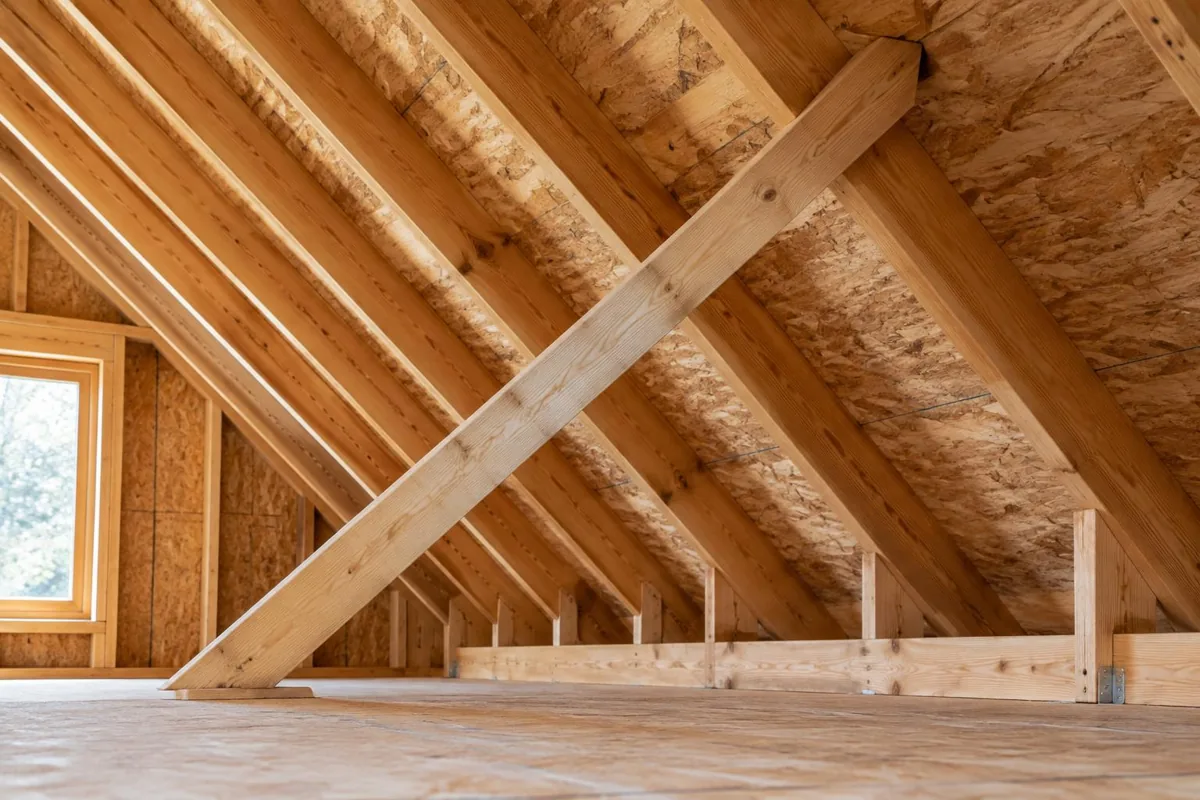
Make structural work a visible question
Washington, IL draws a permit distinction between non-structural roofing and support work. Your project record should make that distinction easy to discuss. Ask whether the plan touches trusses, rafters, or other load-bearing support. Do not guess from a photo whether a part carries weight.
The answer may be unclear. If so, keep it as an open question for the firm and city. A later finding may add support work. Update the scope before relying on an earlier permit answer. A project can keep the same informal name while the real work changes.
The city can tell you which review steps fit the submitted plan. The firm can explain the work it plans and what specialist input it may need. Keep those roles clear. A permit may not be needed for a task. That fact alone does not prove a repair is sound.
Use the official source as a route to a current answer. Apply the right process to the real work. Do not choose a label first and try to fit the work into it.
Keep support work visible
- 1Non-structural roofing
The city page lists this in its no-permit column.
- 2Truss or support work
The city page lists structural support work as permit-required.
- 3Actual scope
Confirm the proposed work with Building and Zoning.
Work through a disagreement calmly
Imagine a fictional project with two views. One firm plans a repair at a single joint. Another plans broader replacement. The owner has a stain photo and two totals but no marked roof findings. At that point, the main gap is evidence, not arithmetic.
Ask both firms for the observations that support their scope. Ask the repair firm what it believes can remain and why. Ask the replacement firm why a smaller plan would not meet the stated need. Save the replies side by side without rewriting them to make them agree.
If the replies address different problems, reset the brief. If they still conflict on the same condition, consider another qualified assessment. You do not have to settle a technical disagreement by counting votes. Look for a clear explanation. It should connect the condition, the work, and the limits of the result.
Keep your own goals visible too. A plan can fit your long-term needs yet cost more than a narrow repair. Ask what each option would achieve so you can weigh that tradeoff.
Tell us where the leak, wear, or damage needs attention.
Turn the evidence into a fair comparison
Before comparing totals, list the base tasks in each plan. Mark items that differ. Put optional items on a separate line. Put unknown hidden work in its own space, with the process for approval and cost. This keeps a low first total from hiding an open-ended scope.
Ask about timing in terms the firm can confirm. When does the estimate expire? What must happen before a start date can be set? Ask which steps need materials or permits. Ask how new findings could change them. This page makes no local availability or response-time claim.
Review what happens if work changes after it begins. Ask how you will be shown the change and how you can approve it. Keep the final agreed version with the evidence record. You should be able to point from a major task to the reason it is there.
Keep a decision note you can use later
Write a short note after you choose a plan. State the problem you wanted to fix. Note the proof you reviewed. Give the main reason for your choice. Add any open limits that remain in the written scope. This is for your own records; it is not a technical certification.
Keep that note with the final contract, changes, and closeout documents. If a symptom returns, you can show what the first job aimed to fix. If you later plan more work, you will know which parts were left alone and why.
A helpful roof decision does not need a long speech. It needs a traceable path from findings to scope. For a Washington, IL project, ask about any support work. Find out which city steps apply to it.
Roof Repair in Washington, IL: the key steps
Read the full transcript
Roof Repair in Washington, IL.
Washington, Illinois separates non-structural
roofing from roof support work in its permit table.
Ask about the actual plan.
Write the finding, its proof, the proposed action, and what is unknown.
Keep each claim easy to trace.
Ask what the repair aims to fix and what stays in place.
A narrow scope needs clear limits.
When firms disagree, compare the findings behind their plans.
A larger scope alone does not settle the question.
Save a short reason for the plan you choose.
Keep open limits with the final written scope.
Your questions, answered.
Does Washington, IL require a permit for every roof task?
The city page distinguishes non-structural roofing from truss or structural support work. Ask Building and Zoning how your real scope fits. A title such as repair or replacement is not enough detail.
What if an estimate simply says the roof is too old?
Ask what current findings support the planned work. Keep any reliable age record, but label guesses as guesses. The written explanation should connect the roof condition to the scope.
Must I choose the larger scope when two firms disagree?
No choice follows just from the size of the scope. Ask for the evidence behind each plan and its limits. If a key conflict remains, seek a clearer assessment before deciding.
Can the city choose repair or replacement for me?
Ask the city about its own permit and code role. Use a qualified roof assessment for the planned work. Keep those answers separate so one is not mistaken for the other.
Where should I keep the finding-to-choice record?
Put it at the front of the project folder. Keep the marked photos, reports, and estimates behind it. Add the date when a new finding changes the plan so the latest version is clear.