See the steps below to plan the right work for your roof.
Know who you would hire
A website name, a person at your door, and a contract name may differ. Write down each one. Ask which firm would sign the job, take payment, and be responsible for the roof work. Ask the sales contact to explain any name that does not match. Keep the answer with the proposal so you can check it later.
The point is a clear chain of names. It is not a guess about whether a firm is good or bad. A trade name may have a valid link to a legal name. You still need to know that link. If the answer remains vague, leave the identity check open. Do not mark it done just because the logo looks familiar.
Check the state source yourself
The Illinois Department of Financial and Professional Regulation has an official roofing page. It links to license resources. Use that state starting point to check the name and number the roofer gives you. Keep the date of your check. Ask the agency about a record you cannot find or do not understand.
A number shown on a truck is a lead for a check. It is not proof that this is the firm named in your contract. Read the record, compare the exact name, and note any gap. Keep a separate check sheet for each firm. Note what you found and what still needs an answer before you choose.
Match the business name
- 1Bid
Read the exact business name.
- 2Contract
Match the party you would hire.
- 3State record
Check license status for that name.
Keep two Illinois rules distinct
Illinois roofing law has a rule about contractor ads in section 5. It concerns the licensee name and license number shown in those ads. Section 9 deals with roofing services and holding out as a roofing contractor. Those are separate questions. A number in an ad does not answer every question about who will do your job.
These source notes come from indexed text on the official state law site. Direct access failed during the source check. They are not a legal ruling on a firm or your contract. For a dispute about names, roles, or the right to do work, use IDFPR or an Illinois lawyer. Keep the ad and contract rather than trying to settle the issue from memory.
Ask for proof of insurance
Request current proof of the firm's insurance and ask how to confirm it. Match the business name to the firm you plan to hire. Ask what work the proof relates to and what dates it covers. If the document raises questions, seek an answer from the listed insurance contact through a route you can verify.
Do not treat the words licensed, bonded, and insured as one single check. Each claim needs its own support. Nor does a policy page tell you that every loss on a job would be paid. Ask a qualified insurance professional when you need help with that question. Your worksheet should record what was checked, by whom, and which point still needs an answer.
Tell Us About Your Roof
Tell us what needs attention.
Describe one job to each firm
Give each firm the same brief account of the problem. Name the roof area, what you can see, and when you first saw it. Share known past work without filling gaps with guesses. Ask for a plan based on a roof review. Do not ask every firm to price your own untested fix.
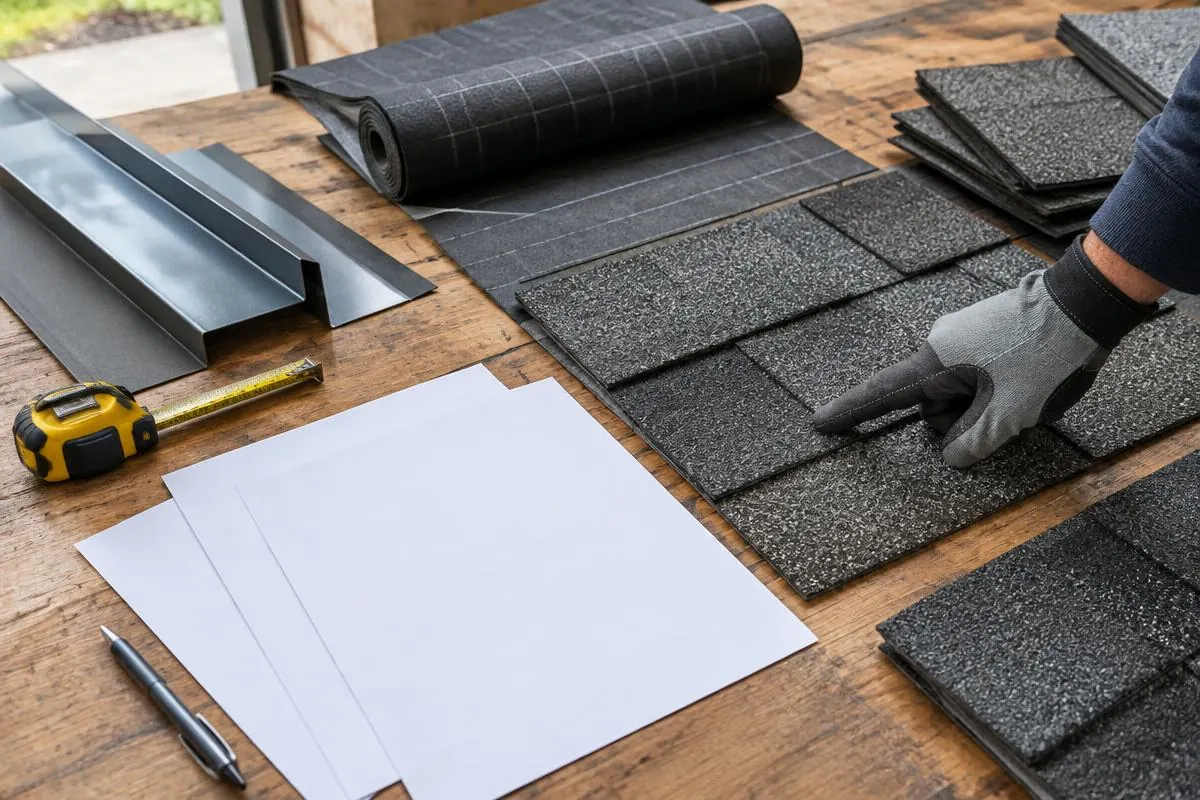
One firm may find a small issue. Another may suggest a wider scope. Both should explain the evidence for the work they propose. For help with that step, read the roof inspection page. It shows what to ask a report to document, including parts the roofer could not see. Keep the report next to the price, so the two do not become separate stories.
Compare findings before materials
Ask each roofer to name the finding that drives the plan. What was seen? Where is it? What does the proposed work address? What is still unknown? A photo can help, but ask for a wider view as well. A close view alone may not show which part of your roof it depicts.
Write one sentence for each firm's reasoning in your own words. Then read it back to them. If you cannot explain why the work is needed, ask again. This is not a test of roof skills. It checks that you know what you would be paying for. Use the repair or replace page when the firms propose different levels of work.
Ask who will be on the job
Ask who will lead the work and who you should reach with a concern. Find out whether the firm plans to use its staff, another business, or both. Ask how that plan affects the names and duties in the contract. You do not have to judge the whole staffing model. You need a clear route for questions and a clear party responsible for the result.
Ask who can approve a change in the work. A crew member's casual answer may not change a signed price or scope. Put your own point of contact in the plan too. If more than one owner must approve changes, tell the firm before work starts. A short contact plan is far easier to use than a string of missed calls.
Make the written scope specific
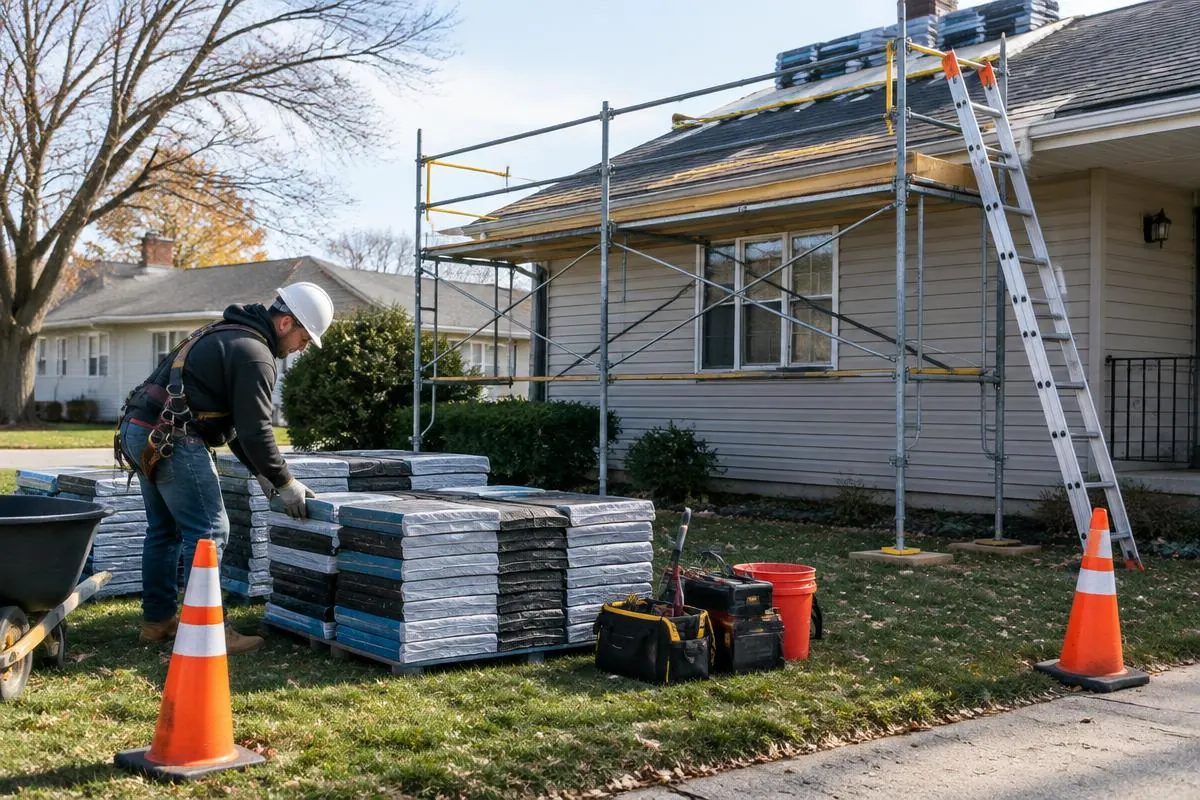
A scope is the list of work you agree to buy. Ask it to name the areas included, the materials, the removal work, and the cleanup. Ask it to show what will stay in place. Keep upgrades apart from the base work. If an item is not clear, ask for a written revision before you compare totals.
The Illinois Attorney General urges owners to get terms in writing and keep a signed copy. Its consumer guidance discusses written contracts for home repair jobs over $1,000. The law has scope limits, so use the official guidance for detail. Even where that threshold is not the question, a plain written scope helps both sides review what was promised.
Tell us where the leak, wear, or damage needs attention.
Plan for work you cannot see yet
Ask how the firm will handle a hidden issue found after work begins. Will it take photos? Who will explain the need? How will the added price be set? Who must agree before more work takes place? You can ask for that process before anyone knows whether a hidden issue exists.
Avoid a blank choice between an open-ended bill and a false promise that nothing can change. The useful middle step is a clear change process. Ask what happens if you cannot be reached and the roof is open. The firm should explain how it plans to protect the work area while a decision is pending. Do not make your own roof-access plan.
Sort permits from other checks
Ask which office handles this property's roof scope and who will contact it. A Peoria mailing address does not settle that question for every property. The permit and jurisdiction page links to local official sources. It can help you frame a question about the exact address and the exact work.
State license status, local permit needs, and your contract are separate parts of the file. One should not be used to skip the others. If the scope changes, ask whether the permit answer changes too. Record the office, the date, and the scope discussed. A neighbor's answer may have been right for a different job and still be wrong for yours.
Read payment and timing terms
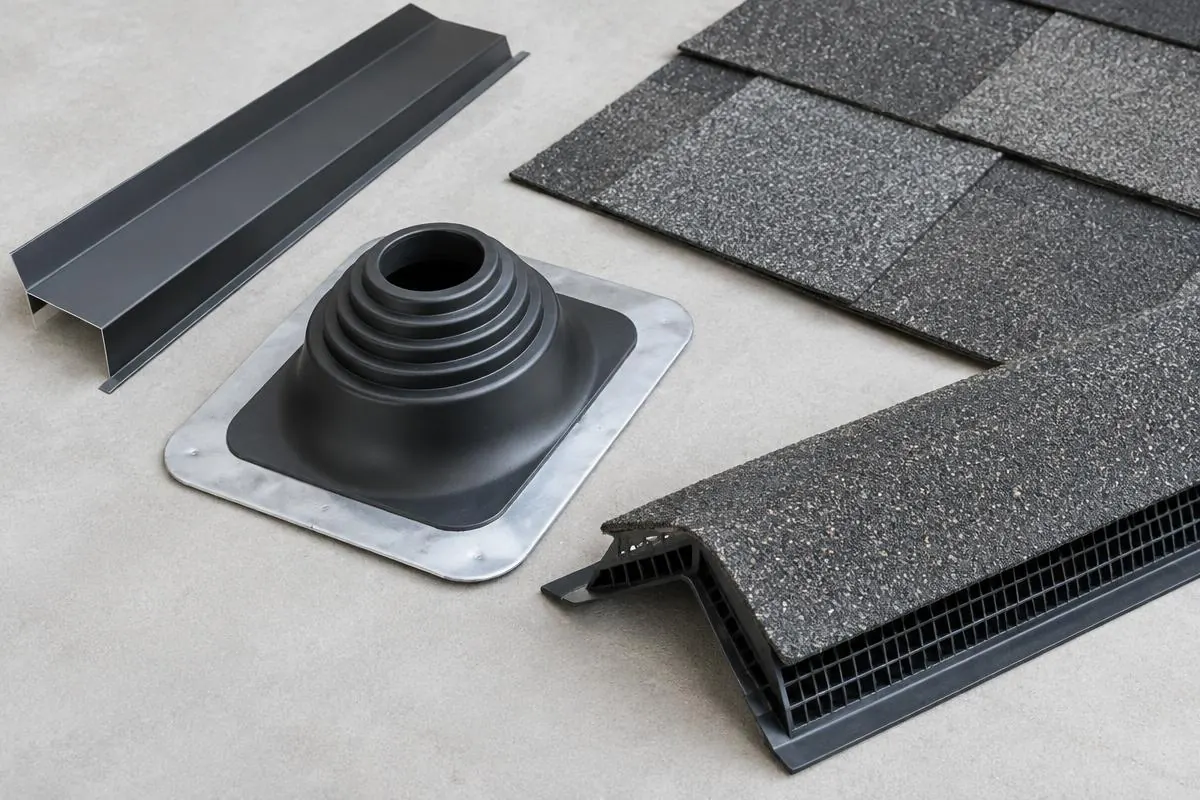
Read the total, each payment stage, and the event that triggers payment. Ask which charges are included. Keep any optional work clearly marked. The Attorney General's guidance warns against cash payments. It also warns against paying the full amount before the work satisfies you. Read that guidance along with the actual terms you are being asked to sign.
Ask how start and finish dates will be shared. What happens if weather delays work? Who will tell you if a material is not ready? Do not turn an estimated date into a promise unless the contract does. Note any task you must do first, such as clearing access. Leave roof work and safety plans to the people doing the job.
Compare the same job
- 1Findings
Compare the same roof areas.
- 2Scope
Check parts, exclusions, and change terms.
- 3Proof
Keep insurance and closeout records with the bid.
Read the promise after the job
If a warranty is offered, ask for its full terms before you choose. Who makes the promise? What does it cover? What is left out? What steps must you take to raise a concern? A product promise and a promise about the work may come from different parties. Write them on separate lines rather than treating a long term as the whole answer.
Ask which documents you will receive at the end. A useful handoff may include the final bill, approved changes, product details, and the written warranty. Ask whether any step is yours to complete. Do not assume a brochure means the promised coverage is in force. Confirm the required steps with the party that provides the warranty.
Use a yes, no, or unclear worksheet
Give each firm its own copy of this list. Mark a point yes only when you have the evidence you need. Use unclear if the answer is verbal, incomplete, or hard to match. The sheet does not rank firms. It shows which question blocks a fair comparison. A stack of yes marks is not a guarantee of good work.
If an answer changes, date the change and keep the old document. This helps you see which proposal you are reviewing. Send a short list of open questions back to each firm. Ask for a revised document rather than making your own edits to its scope. Then compare the same version of each proposal before you decide.
- Exact contract name and license details checked.
- Current insurance proof and a route to confirm it.
- Written scope tied to observed findings.
- Named job contact and change approval process.
- Clear permit duties, payment stages, and job-end documents.
Deal with pressure without losing the task
A problem with the roof can make a fast choice feel necessary. Separate a need for safe short-term work from a choice about a full project. Ask what is urgent and why. Ask which choice can wait for a clear written answer. If there is an immediate threat to life, use emergency services rather than a shopping worksheet.
Be cautious when a sales claim asks you to skip checks. A discount, a crew nearby, or a claim about insurance does not settle the scope. Do not let a promise of a payout replace a call to your insurer. Read the roof insurance questions page. It helps keep repair questions and policy questions in their proper lanes.
Choosing a roofing company in Peoria: the key steps

Read the full transcript
Choosing a roofing company in Peoria.
When you choose a roofer, match the contract name to the business you checked.
Ask about any name gap.
For an Illinois roofer, start with IDFPR license resources.
A number in an ad still needs a name check.
For roof bids, compare the work lists before totals.
Ask what stays, what changes, and what is left out.
Before roof work starts, ask how added work is shown, priced, and approved.
Keep that process in writing.
When you hire a roofer, keep the signed terms and later changes.
Use the same version when you compare.
Your questions, answered.
How do I start a short list of roofers?
Start with names you can check. Ask for written scope and business details from each firm. Use the same project brief for all of them. Then use official state resources and the worksheet here to resolve gaps before you choose.
What if a license name and a business name differ?
Ask the firm to show how the names are linked. Check the state record and seek help from IDFPR if the answer is unclear. A mismatch is a question to resolve. This page cannot decide whether a particular arrangement is lawful.
Should I choose the lowest total?
First check that the proposals cover the same job. A lower total may leave out work that another includes. It may also reflect a valid, narrower plan. Ask for the reasons and missing details before you treat price as the deciding point.
Can I rely on reviews alone?
Use reviews as one part of your research, not as proof of the current license, insurance, or scope. Ask about work like yours and verify the documents for the exact firm. A review cannot tell you what your own contract includes.
What if I do not understand a contract term?
Ask for a plain explanation and time to review it. Seek an Illinois lawyer for legal advice before you agree if a major term remains unclear. Do not use this worksheet to guess at cancellation rights or the effect of a clause.