See the steps below to plan the right work for your roof.
Wait until the storm and hazards have passed
After wind or hail, first check whether it is safe to look. Keep listening to official alerts and follow local directions. Stay away from fallen power lines and debris that touches them. Do not go outside just because rain has stopped. A roof check can wait when thunder, falling limbs, or other hazards are still present.
Once it is safe to look, stay on firm ground and within your own safe access. You do not need to see every part of the roof. Make a record of what is visible and what is blocked. Your notes give a licensed roofer a place to start. You cannot settle the cause from the yard.
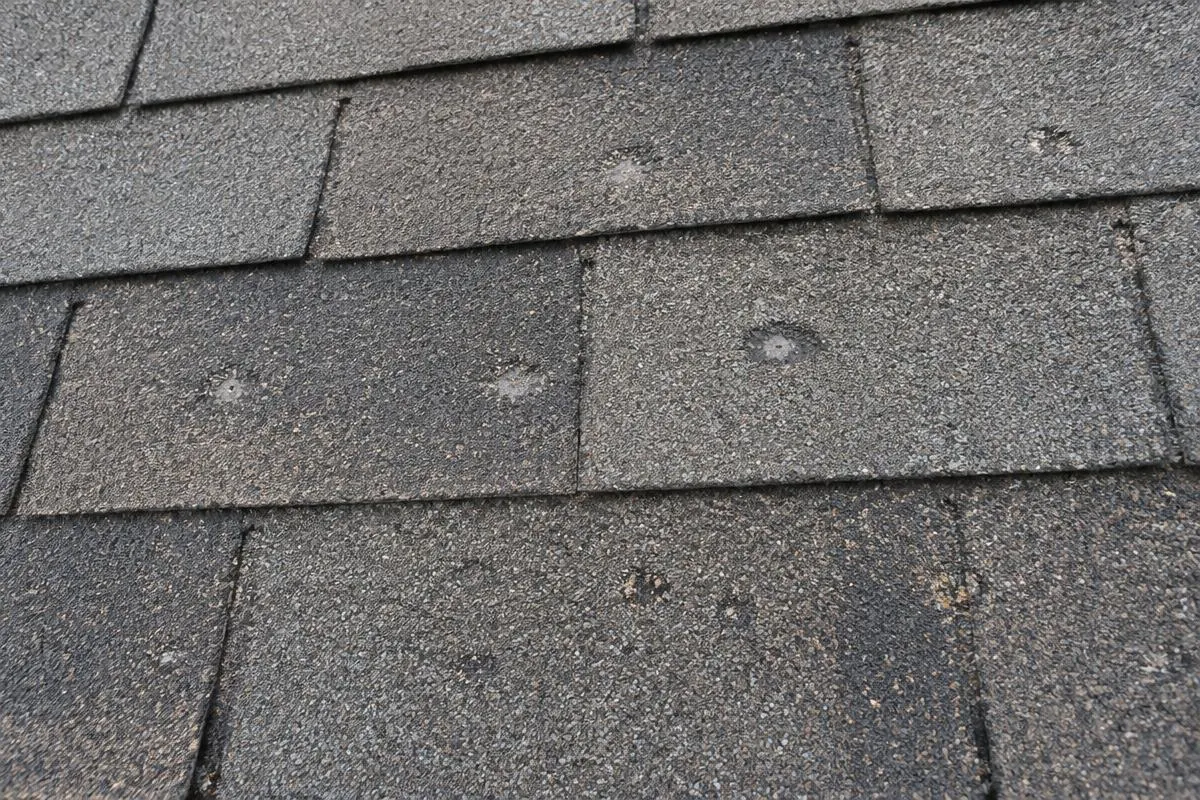
Make a dated record before choosing a cause
Start a note with the date and time you are looking. Then record when you first noticed each change. If you heard hail or strong wind, say what you seen and where you were. If you only saw a weather report, keep that fact separate. A report for the area cannot show what happened on your roof.
Avoid writing a cause into the file name. ‘Back roof, first seen Thursday’ is clearer than ‘hail damage’ when the cause has not been checked. If you have an old photo of the same area, keep it beside the new one. An earlier image may help show a change, but its angle and detail may still limit what can be compared.
Divide the house into simple views
Use a small sketch with the front, back, and sides of the home. Mark where you stood for each photo. Give each view a short label. Include the porch, garage, or other roof section if it is part of the concern. This makes it easier to tell which areas have a good record and which do not.
Do not fill missing views with assumptions. A tall wall, a tree, or the slope of the land may block part of the roof. Write that down. A roof that looks normal from one side can still have unseen areas. Your record is strongest when it states its limits. It should help a professional plan the next check, not imply that all parts were checked.
Four views and a blind spot
- 1Front and back
Take wide ground views when safe.
- 2Left and right
Pair each view with a roof-face label.
- 3Not visible
Mark blocked areas instead of filling the gap.
Build a record that keeps facts apart
Use this as a simple note format. You can leave a field blank or mark it unknown. A short accurate entry is better than a complete-looking guess.
| Record field | A useful entry | Keep this limit clear |
|---|---|---|
| Time first seen | Thursday morning, after daylight. | This may not be the time damage began. |
| Place | Back slope above the kitchen. | A ground view may not show the whole area. |
| Visible change | A gap, bent piece, or new indoor drip. | The description does not establish a cause. |
| Prior view | Photo from last spring, if you have one. | Different light or angles can limit comparison. |
| Next question | Ask a roofer to check the gap and nearby roof. | The needed work is not set by the photo alone. |
Tell Us About Your Roof
Tell us what needs attention.
Look for changes without touching them
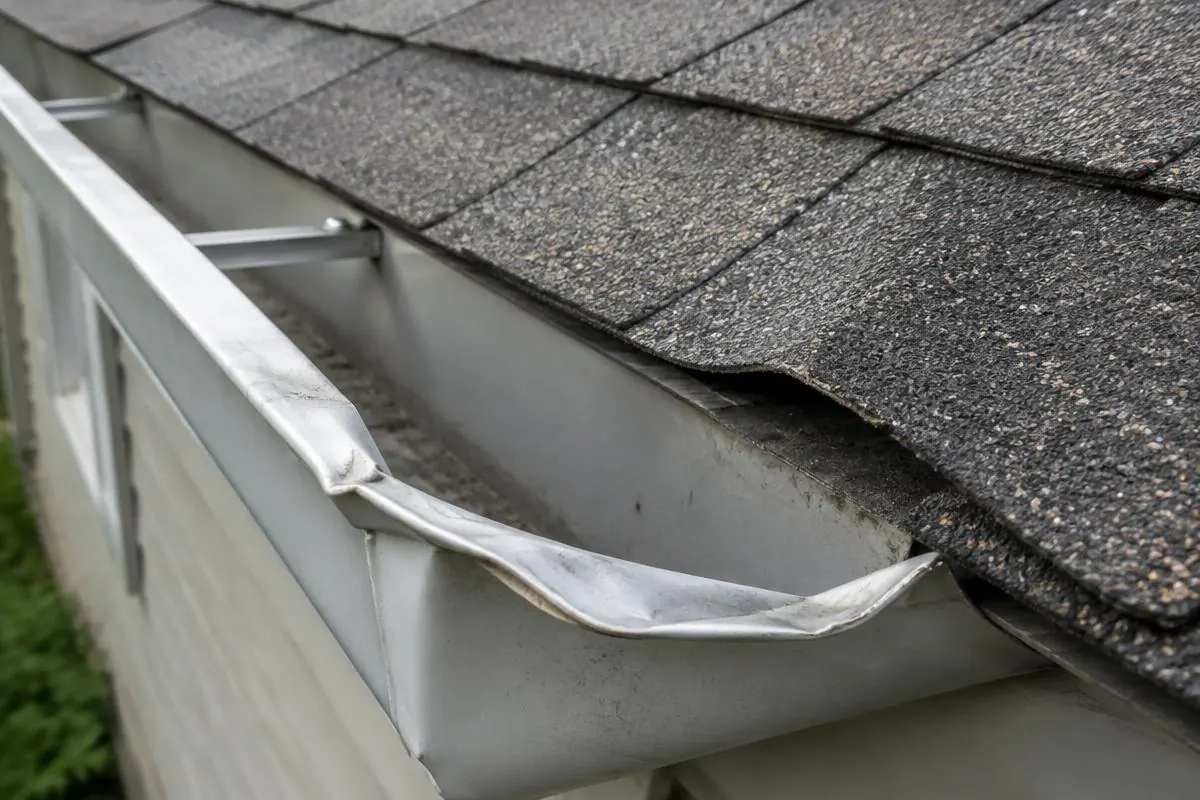
From safe ground, note gaps, displaced pieces, or parts that look bent. Owens Corning's storm checklist includes visible shingle changes and damage to gutters, vents, windows, and nearby items. These can be useful things to record. They do not all prove roof damage, and they do not establish when each mark formed.
Do not lift shingles, press marks, scrape surfaces, or climb for a sample. You may change the very evidence you want reviewed. Leave the close check to a trained roofer. If you find a loose piece on safe ground, photograph where it lies and tell the roofer. Do not cross wires, sharp debris, or an unsafe area to retrieve it.
Keep wind and hail questions distinct
Wind may leave visible movement or missing pieces. Hail may prompt questions about impact marks. From the yard, you may not be able to tell what a mark means. GAF notes several possible storm signs, including missing or curled shingles and bent flashing. Ask what each finding means. Avoid using one broad storm label for all marks.
Do not use a neighbor's roof as a diagnosis of your own. Roof materials, views, and seen changes can differ. A neighbor's report may be a reason to get a check. It cannot take the place of one. Ask what the facts show on this roof. Ask what remains unknown.
Add indoor facts to the same timeline
If you see water inside, record the room, time, and whether it is still wet. Give this fact priority when you call for help. Keep people clear of wet power gear, sagging ceilings, and loose material. Use the emergency page if there is an urgent hazard. A storm photo record must not delay needed help.
A dry room is worth noting too. It tells the roofer what you seen at that time. It does not prove the outside roof has no damage. Link the indoor and outdoor notes by date. Leave the cause open until it has been checked. If water appears later, add a new entry without rewriting the first one to make it sound as though you knew all along.
Use two times when you are not sure
Suppose you heard strong wind at night, then saw a roof gap at dawn. Write down both times. The first is the time you heard the wind. The second is the time you first saw the gap. If there is no earlier roof photo, say so. Do not fill that gap in the record by saying the wind must have caused it.
Now suppose an old photo shows the same patch. Keep that image too, even if it changes your first view of the problem. The roof may still need work. The point of the record is to help find the facts, not to make all the facts fit the first guess.
Two dates, one record
- 1Weather time
Record when you heard or saw weather.
- 2First-seen time
Record when you noticed the roof change.
- 3Cause unknown
Keep an older roof view if one exists.
Tell us where the leak, wear, or damage needs attention.
Choose the next inspection by the open question
Ask a licensed roofer to review the specific changes you recorded. Say which parts you could not see. Ask what their visit includes: roof surfaces, joints, edges, openings, or other areas tied to the concern. If a tree is on the home or a wire is down, the hazard may need to be addressed before roof access is possible.
Ask how the roofer will record what they find. Ask how they will note any limits. Will there be dated photos? Will the report name each roof face? Will it keep a seen flaw distinct from a guessed cause? A clear report gives you facts to help choose the work. It also helps if you seek a second view, because both people can refer to the same parts of the roof.
Do not let the label pick the scope
‘Storm repair’ can mean a small task or a broad project. Ask which parts need work and why. If a full roof is proposed, ask what findings rule out a smaller repair. If a small patch is proposed, ask how the surrounding area was checked. The useful answer is about roof condition, not just the name of the weather event.
GAF's guidance allows that individual storm-damaged shingles can sometimes be replaced, while noting that nearby hidden damage may be difficult to check. Use that as a question, not a rule for your home. Ask what the roofer could confirm and where uncertainty remains. A scope can state a limit and still be useful if it explains the next decision.
Compare the evidence in two reports
Lay out the reports by roof face or feature. Check whether the photos show the same places. Note which findings agree and which differ. If one report is based only on a ground view, keep that limit visible. Do not compare it as though it included the same access and detail as a closer expert check.
Ask each roofer to explain a difference in plain words. You can ask, ‘Which photo supports that part of the plan?’ You can also ask what further check would help resolve the gap. Avoid choosing solely by the number of marked photos. Many close images can still fail to show the extent, location, or reason for the planned work.
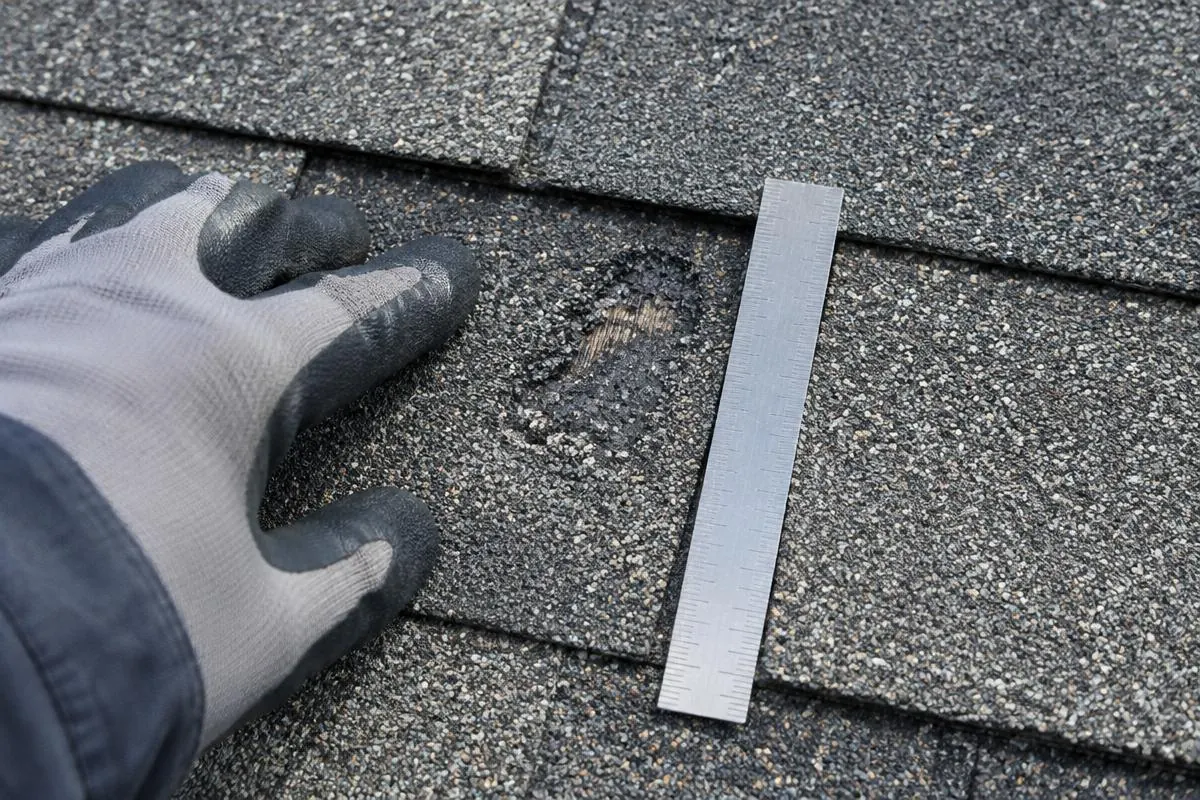
Keep urgent work and final work in the record
If temporary protection is needed, ask for its scope and limits. Record what area it covers and what is still to be checked. Keep photos taken by the professional before and after that step. Temporary work may change what can be seen later, so a clear record is useful.
Then keep the final repair decision as its own entry. Name the agreed work, the business doing it, and any approved changes. This separates the need to protect the home now from the decision about a lasting repair. It also prevents a first urgent phone call from becoming the only record of a much larger project.
Check the business behind the visit
Before you approve roof work, check the firm and its state roofing license. Ask who will inspect, who will do the work, and whose name will be on the scope. Illinois consumer guidance warns about storm-related repair scams and urges care when hiring. A storm is not a reason to skip those checks.
Read the written plan before agreeing to it. Ask about the work area, materials, terms, cleanup, and how new findings will be handled. If someone makes a claim about what caused the damage, ask for the basis. Keep the roof findings and repair plan together for a clear review. Questions about coverage or a claim belong with the relevant insurer and official guidance.
End with a short open-items list
After the inspection, list the parts that have a clear finding and plan. Then list any question that remains open. One roof face may need a second look. A room may need a water-source check. A tree or electrical hazard may have its own next step. Give each open item a contact and a date to follow up.
For a Peoria-area home, use the actual property location when you arrange the visit. Ask the roofer to review the findings at your home and confirm the next visit. Your strongest next step is a dated record, a defined inspection, and a repair scope that follows the evidence on your roof.
Storm damage roof repair in Peoria: the key steps

Read the full transcript
Storm damage roof repair in Peoria.
Follow current alerts.
Stay away from fallen wires and loose debris.
Wait for safe conditions before making roof notes.
Write when you first saw a change.
That is not always when it happened, so keep the wording clear.
Take labeled ground photos of visible changes.
Include a broad view, and note which roof areas you cannot see.
Ask a licensed roofer what the actual roof shows.
A weather report alone cannot choose the repair scope.
Match each planned repair to a finding.
Save the report and list anything that still needs a closer check.
Your questions, answered.
Does hail in the area mean my roof is damaged?
It is a reason to consider a check, not proof about your roof. Record what you seen and ask for findings on the actual roof. Keep the area weather report separate from property photos and roof findings.
What if I see no damage from the yard?
Write down that the visible areas showed no change and note what you could not see. A ground view has limits. Share the reason for your concern with a roofer and ask whether a closer expert check is needed.
Should I photograph dents on gutters too?
You can include them if the view is safe. Label the exact item and place. Such marks may help frame the inspection, but they do not prove damage to the roof or establish the cause of every mark.
Can wind and hail damage be put in one repair plan?
A plan can address several findings. It should still name the damage, location, evidence, and planned work for each part. A broad storm label is not enough to show why the full scope is needed.
What is the most useful thing to ask after the inspection?
Ask how each proposed repair follows from the findings and which questions remain open. Request a clear scope and labeled photos. That gives you a sound basis to compare options without needing to act as your own roof inspector.
Sources behind this page
- National Weather Service: After strong winds
- National Weather Service: Lightning safety overview
- Owens Corning: Roof storm damage checklist
- GAF: Understanding roof storm damage
- GAF technical bulletin: Replacement of storm-damaged shingles
- Illinois Attorney General: Storm-related repair scams consumer alert