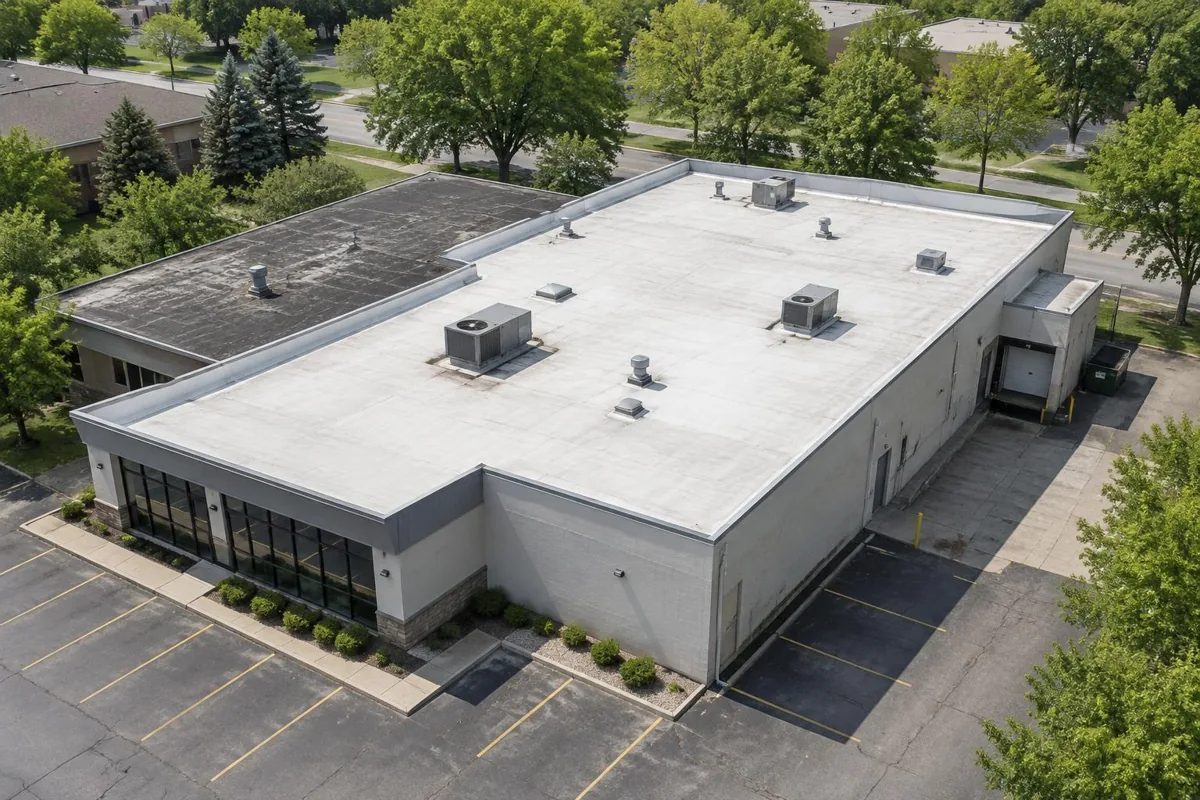
Start with the building’s problem
A leak over stock needs a different plan from a roof due for renewal. Begin with what the building needs today. Name the wet room, the work that must keep going and the choice you face. For commercial roofing in Peoria, a clear brief helps a roofer plan the first site visit.
You do not need to know every roof term. Bring records you have and mark the rest unknown. Ask for a visit that fits the task. A small fix, a whole-roof check and a new roof bid are different scopes. Be clear about who can approve work and who just needs to be kept informed.
Put the roof and its records on one page
One building may have roof areas with different ages and layers. Give each a simple name, such as front office or rear stock room. Link old bills and plans to that area. Note work done when a tenant changed or a unit moved. These notes help the roofer see what may have changed below the surface.
The top layer does not tell the whole story. Insulation helps limit heat loss. The deck holds the roof layers up. Flashing seals joints at walls, drains and roof units. GAF has product sheets and system details in its document library. Ask for both. A product name alone is not a plan for your roof.
From building need to a clear roof scope
- Building concern
- Known roof records
- Site and business limits
- Professional assessment
- Comparable scope
Keep findings, open questions and the work boundary together.
Choose a useful first scope
For a new leak, ask for a visit that includes the wet room and roof details nearby. For repeat leaks, ask for a wider check of drains, past fixes and hidden wet areas. For planned renewal, ask what proof is needed to compare repair, recover and removal. Do not pick a roof scope from surface looks alone.
A recover puts a new layer over a roof that can safely support that work. It is not right for every roof. GAF calls for checks of layers, moisture and roof condition. Ask for the site findings and rules that apply. An online worksheet cannot settle whether a recover will work on your building.
Protect work inside the building
List busy doors, work hours and times when noise would stop key tasks. Mark stock, food areas, desks and units below the roof area. Name the person who can move things or close a work zone. Do this before a bid assumes the site will be empty. Staff need to know what may change that day.
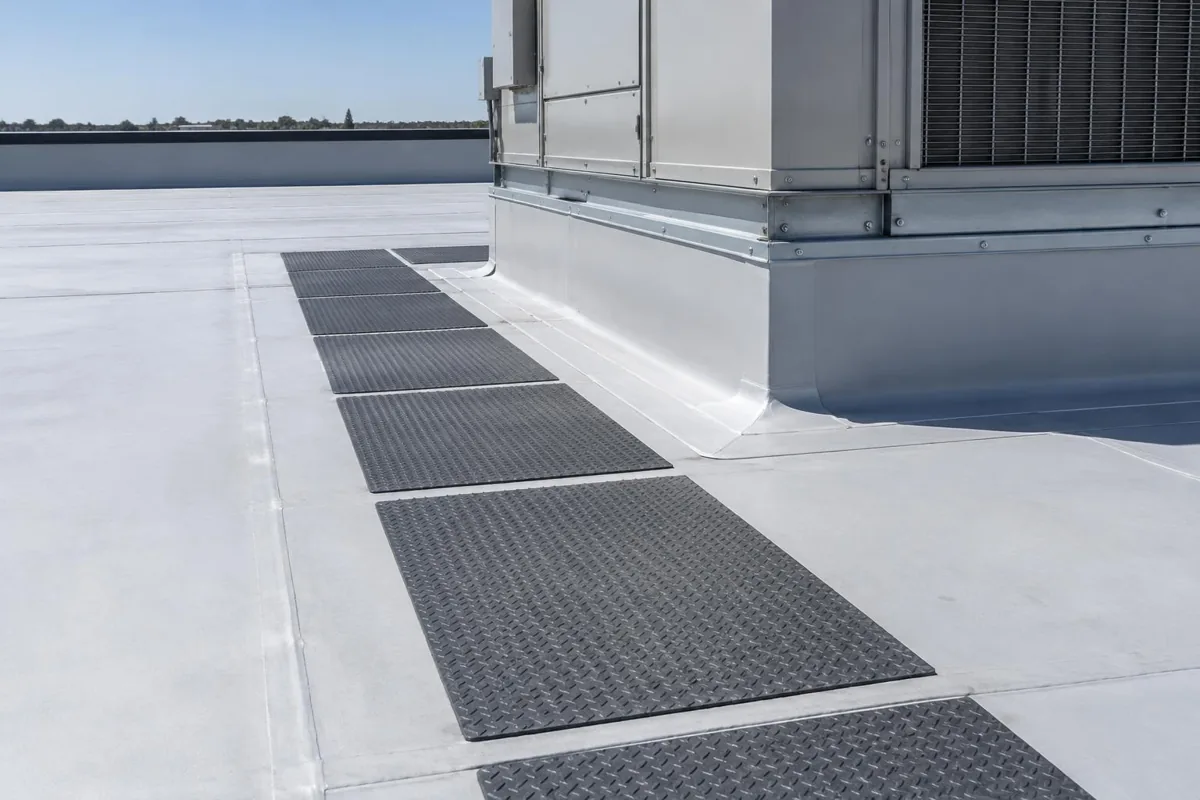
Roof work may need other trades. A heating unit may need space at its base. An exhaust system can affect roof material choice. A lift or bin may block the loading route. Put these limits in the brief. Ask each bidder how the work will keep doors clear and protect the people and things below.
Request commercial roof help in Peoria
Tell us what needs attention.
Make access part of the bid
The roofer should plan safe access, fall protection and work zones. Do not send staff up to collect missing roof facts. From safe spots, note if access uses a hatch, indoor room or outside route. Share site rules before the visit. Let the crew plan the right gear and access steps for the job.
Agree who unlocks doors and can approve a shutdown. Ask where parts will be stored and how the area closes each day. Rain delays need a plan too. Ask which tasks depend on other trades. Written site steps help you see if a low bid leaves key work for your staff to do.
Use the building intake worksheet
Choose the building use, current concern and known roof type in the worksheet. Add work hours and areas that need care. The result keeps known facts apart from open questions. It does not choose a roof system or claim a leak has been found. Leave roof type unknown if you have no record of it.
For example, a leak over stock under an unknown roof needs material ID and water-path checks. It also needs a plan to protect that stock. A planned renewal raises questions about layers, tests and bid scope. Keep private tenant records out of the notes. Copy the record or print it for your own use.
Commercial building intake
Known facts and open questions
- Building use
- Unknown
- Current roof concern
- Unknown
- Known roof type
- Unknown
- Occupied hours
- Unknown
- Area needing special care
- Unknown
- Identify system before specifying repair.
- Confirm the building concern before choosing a visit scope.
- Gather roof records and warranty terms.
- Confirm site access, occupied hours and areas to protect.
Compare the same work across bids
A useful bid names the roof area, work limits, parts and site protection. Look for who handles drains, edge metal and roof units. Which items have a firm price? Which depend on opening the roof? Ask how extra work will be shown and approved. Set each bid beside the same marked roof plan.
Permit needs follow the property and work scope. Peoria routes roofing questions to Building Inspections. Work near public space may need a separate review. Give the office the full site address and planned work. A Peoria mailing address does not prove which office has authority. Confirm that point before work is set to start.
Keep the roof record after the job
Ask for a roof map, dated photos, part names and the final scope. Keep the installer’s terms separate from the maker’s warranty. Read who must get a leak report and what records they need. Carlisle has its own owner process for claims and checks. Its process is not a promise that your leak will be covered.
Closeout records should list open items and the next planned check. Save them where the next building manager can find them. Ongoing care should fit this roof and its papers. Ask what each care visit checks and records. Do not rely on a blanket claim that a plan will add a fixed number of years.
Your questions, answered
Can a business stay open during roof work?
It depends on access, noise, building use and the work area. Ask for a plan that names closures or shutdowns. A small job can still affect the people inside.
Do I need to know the membrane brand?
No. Old bills or warranty papers help. Unknown is a useful answer. Ask the roofer to name the system before choosing parts or a new roof plan.
What should I send with a commercial roof request?
Include town, building use, concern and roof area. Add key access limits, safe photos and repair dates. Leave out bank details, tenant data and unrelated work records.
Are all roof warranties the same?
No. Read the terms, named parties and steps to report a leak. Material and work promises can cover different things. Ask who handles water while those duties are checked.