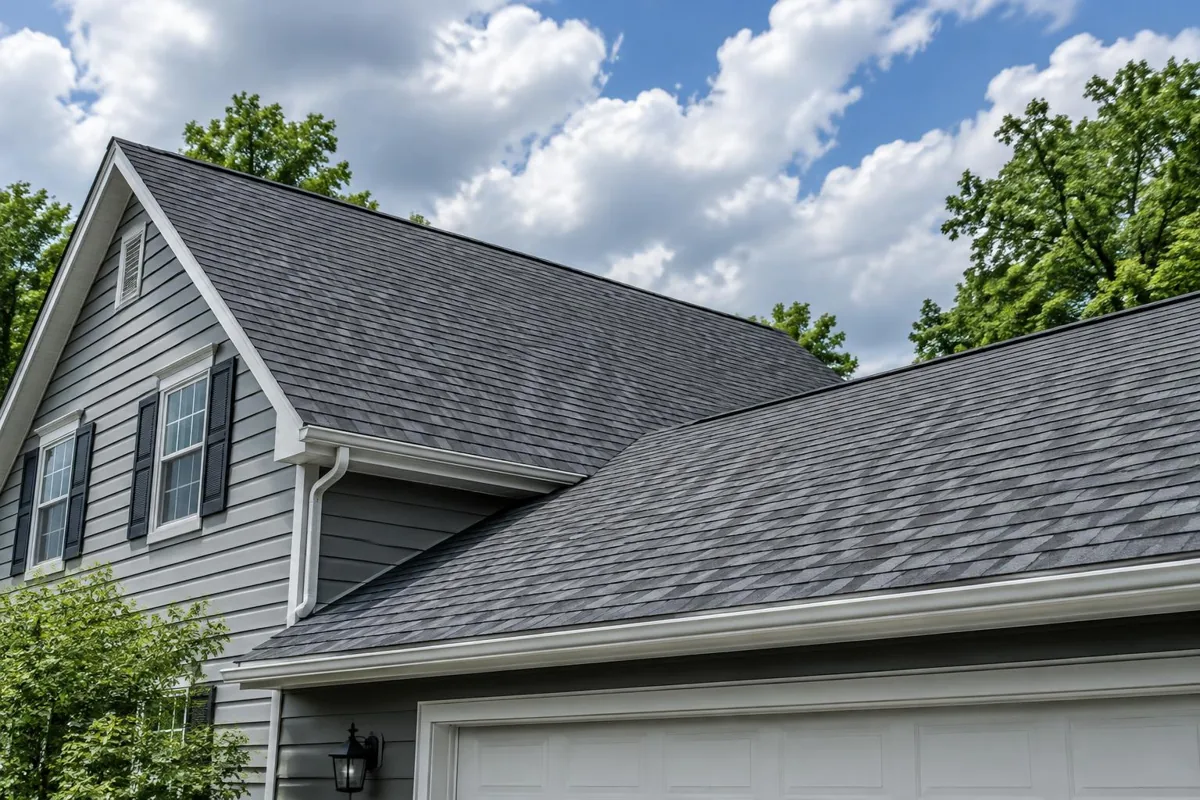
See the steps below to plan the right work for your roof.
Use the current Dunlap route
The Village of Dunlap's Planning and Zoning page gives a clear routing notice. As of April 2024, permits, payments, and inspections go through Peoria County Zoning. Some plans need a zoning certificate. For that form, the county sends the applicant back to the village. The notice was checked on October 8, 2026.
This is a route through the process. It does not mean every roof task needs a permit or a zoning certificate. Ask the county about the exact site and planned work. Follow a village referral if the county says that step is needed. Do not create a separate village permit path from an old saved form.
Use a private project file to prepare questions for the right offices. Keep the newest scope at the front. Put earlier forms and notes behind it so the current plan is easy to find.
Dunlap’s current permit route
- 1Start with the county
Dunlap routes permits, payments, and inspections through Peoria County Zoning.
- 2Confirm site and scope
County handles the needed steps for the actual work.
- 3Conditional village branch
If a zoning certificate is needed, return to the village and follow county directions.
Check what Dunlap means for your address
A Dunlap mailing city is not the same thing as a village-line check. An address can use a place name for mail. That fact does not settle the local permit office. Keep the street address and parcel number together in your own records. Ask the public office to confirm the correct route if the place is unclear.
The incorporated Village of Dunlap is fully inside this page's planning circle. That circle reaches 15 statute miles from East Peoria City Hall by direct map distance. It does not follow the Dunlap postal footprint. Confirm the exact site with the office and firm you plan to use. This result uses the Census village line as of January 1, 2026.
Do not use a school name, nearby landmark, or ZIP code to replace the site check. Those clues may help describe a place. But you need an answer for the parcel itself. The permit and property-jurisdiction page explains that distinction in more detail. Here, the key is to begin the county conversation with the right site.
Make a route log with four stops
Use one page to track four possible stops: site check, scope check, application steps, and closeout. Under each stop, record who gave the answer and when. If a step is not needed, record the basis for that answer. Leave unknown items open.
The route log is helpful when more than one office touches a file. It stops a referral from getting lost in a phone note or email thread. It also helps you explain the history without retelling the whole project each time.
Each project may follow a different path. Do not guess it must pass through all four stops in the same way. The county should tell you what applies. The log is your record of that direction, not a process invented by this page.
- Property check: Which office confirmed the address and office?
- Scope check: What exact work did the office review in its answer?
- Application steps: Which forms and people in charge were named?
- Closeout: What record will show that any required review is finished?
A four-stop route log
- 1Property check
Record who answered, date, scope version, and next step.
- 2Scope check
Keep each answer tied to the proposed work.
- 3Application steps
Save the current direction and responsible person.
- 4Closeout
Ask what completes the required file.
Describe the roof work before choosing a form
Start the scope with the building involved. State whether it is the home, garage, porch, or another structure. Then describe the planned work in plain terms. The firm may not have checked the roof yet. State the known problem. Say that the work plan is not yet clear.
The county's Residential Permits page lists reshingling among work that does not need a permit. It also asks readers to talk about unclear projects with staff. Use that narrow statement as a starting point. Confirm how it applies if your plan includes other roof work or hidden conditions.
Avoid using "just a roof job" as the full description. That phrase could mean a patch or new shingles. It could also mean work on the deck or roof support. A firm may use a term you do not know. Ask what it means before you seek a permit answer.
The roof repair page helps you read common scope terms. Describe the work well so the county can give a helpful answer. That can help you choose the right form.
Tell Us About Your Roof
Tell us what needs attention.
Treat a village referral as one clear task
The county may require a village zoning certificate. Ask which form to use. Ask what it must show. Record the referral in the route log. Keep the county's words with your request. The village can then see why you were sent there.
Ask how to send the form back to the county. Who sends it? Where does it go? Which project or parcel reference should it carry? You do not need to guess the handoff will happen on its own. A clear answer helps both offices take the next step.
Keep any village form with the same scope version that prompted it. If the work changes before the next step, ask whether the form still fits. Do not treat a certificate as consent for work beyond the plan it covers.
Your roof plan may not need this step. Do not seek extra forms just to fill the log. Follow the current steps for the real work. A step may not be needed. Mark it that way only when the right office confirms it.
Retire old directions without losing the record
You may have an old village form or a saved web page. You may also know a neighbor's past experience. Keep it as background if helpful, but check it against the current official route. The April 2024 notice is a reason to pause before repeating an older workflow.
Put a date on each source you rely on. If the county gives new instructions, mark the older note as replaced for this project. Do not delete the history if it explains why something was changed. Just make the current direction easy to find at the front of the file.
If two sources seem to conflict, ask about the conflict directly. State the two dates and the two instructions. Ask which one governs this project now. Avoid picking the answer that requires the least work without confirming it is the right one.
A current official source should still be read with care. A general page does not show that an exact application was accepted. It does not show that work can start. Keep general guidance separate from real project status.

Give the contractor a clean handoff
Once the route is clear, ask the roofing firm which process tasks it will handle. Put those tasks beside the roof scope. Will the firm apply for a needed permit? If so, ask who will be listed in charge. Ask how you will get the record.
A task may stay with you. Ask when it must be done. This may affect when the firm can plan its work. Do not promise a start date based on a form being sent. Ask the office what must happen before the next step. Keep that answer in the route log.
Use the choosing-a-roofing-company page to review the exact business and its terms. An offer to handle forms is one part of that review. It does not prove current credentials, insurance, or skill. Keep those checks with the firm’s written terms.
Keep private site details with the people and offices that actually need them. Keep the address, permit reference, and roof photos in your own project file.
Use a worked routing example
Imagine a fictional Dunlap homeowner with an old village application in a folder. The new roofing estimate includes more than the original shingle work. The owner reads the current village notice. They start with Peoria County Zoning. They do not send the old form.
The owner then asks which steps apply to the revised scope. The county may send you to the village for a certificate. Add that step and date to the route log. The owner asks how the finished certificate returns to the county file. Nothing is marked done solely because a form was requested.
Now suppose the firm later removes the added work from its proposal. The owner asks whether that scope change affects the earlier direction. The route log helps show exactly what changed. It avoids sending an old approval or referral forward as if the project were unchanged.
This example shows a method, not a prediction of your permit needs. The right path depends on the real address, work, and current direction from the public offices.
Tell us where the leak, wear, or damage needs attention.
Keep the roof question moving too
Paperwork should not hide an unresolved roof issue. In a separate part of the file, keep the safe symptom log and the firm's findings. Note where a leak or visible change was seen and when. Stay on the ground or in safe indoor areas while making your own record.
Ask what the firm checked and what it could not see. Then ask what work it plans. The roof inspection page can help you review that report. If a new finding changes the scope, bring the revised description back to the route log. That is where the two parts of the file meet.
The permit route may be clear. You may still need better proof for the repair. The repair plan may be clear. You may still need an answer from the county. Mark the unresolved part plainly. Solving one question should not make the other disappear by accident.
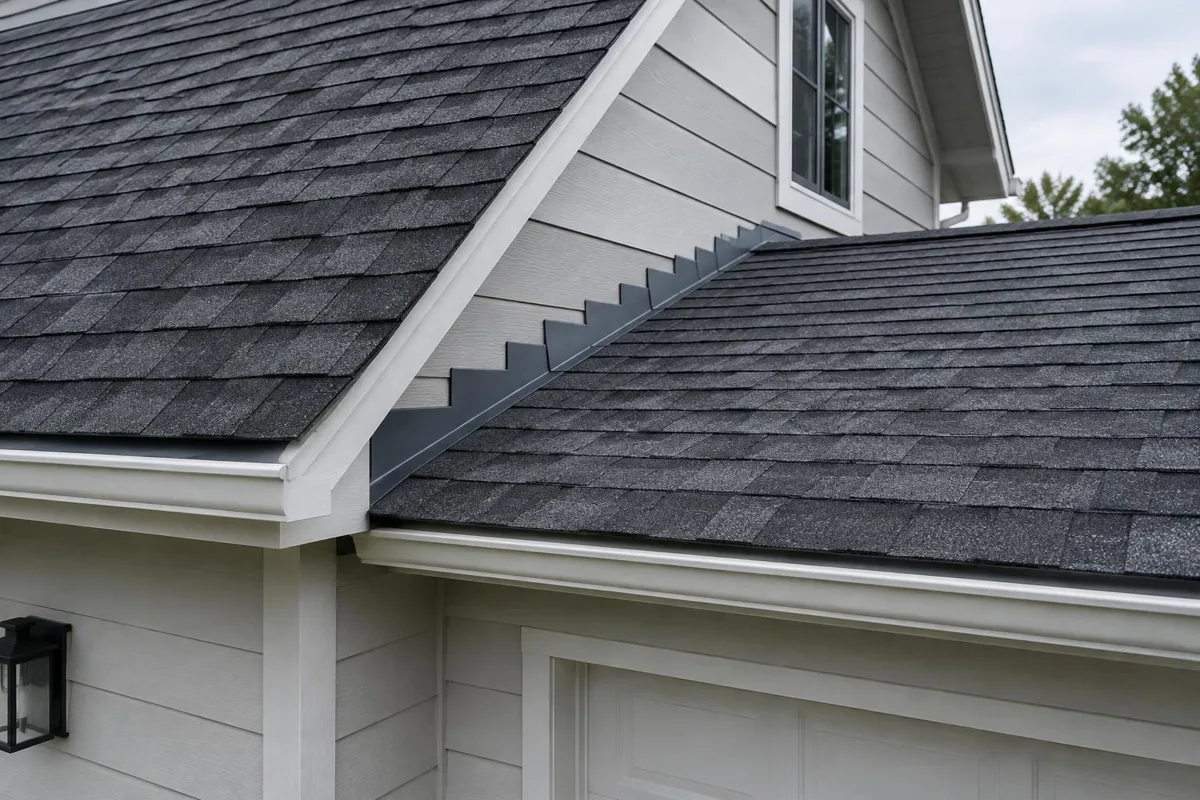
Know what closes the file
Ask the county how required permit steps are shown as finished. Ask about inspection steps for the real project too. If a village form was involved, keep it with that record. The county page says permitted work needs inspections. The type and number depend on the project. Confirm the steps that apply to yours.
Ask the roofing firm what closeout forms it gives for the work itself. Keep that account, any approved scope changes, and product guidance with the project file. If a task remains open, write the next step and who has agreed to do it.
At the end, the route log should tell a simple story. It should show the right site, the current scope, the offices involved, and the final status. You should not need to reconstruct the project from scattered forms months later. That clear record is the main result this Dunlap page helps you prepare.
Roof Repair in Dunlap, IL: the key steps
Read the full transcript
Roof Repair in Dunlap, IL.
Dunlap routes permits, payments, and inspections through Peoria County Zoning.
The village notice dates that route to April 2024.
The county lists reshingling as no-permit work.
Ask staff how added tasks affect the actual project.
A zoning certificate may require a return to the village.
Ask how that document goes back to the county file.
Date each instruction.
If the route changes, mark old directions as replaced
while keeping the project history.
Keep roof findings and process records together.
Ask what confirms completion for the actual work and required steps.
Your questions, answered.
Do I start at a Dunlap village building department?
Use the current village notice. It routes permits, payments, and inspections through Peoria County Zoning, with a village referral if a zoning certificate is needed. Confirm the real project route there.
Does every Dunlap roof job need a village certificate?
The village notice makes the referral conditional. Ask whether it applies to the real scope. Do not seek a certificate just because another project needed one.
Can I rely on the county reshingling statement for a larger job?
Check the full work with staff. The county lists reshingling as no-permit work, but added tasks may change the question. Keep the current written scope with the answer.
What if my roofer and a saved form give different routes?
Show the current official notice and ask the office in charge to resolve the difference. Record the answer and date. Mark the old direction as replaced where appropriate.
What belongs at the front of the permit log?
Keep the exact site, the current scope, and the latest office direction together. Add the date and source of that answer. Put old forms behind the current record so they cannot be mistaken for the next step.