Set a clear scope for the valley check
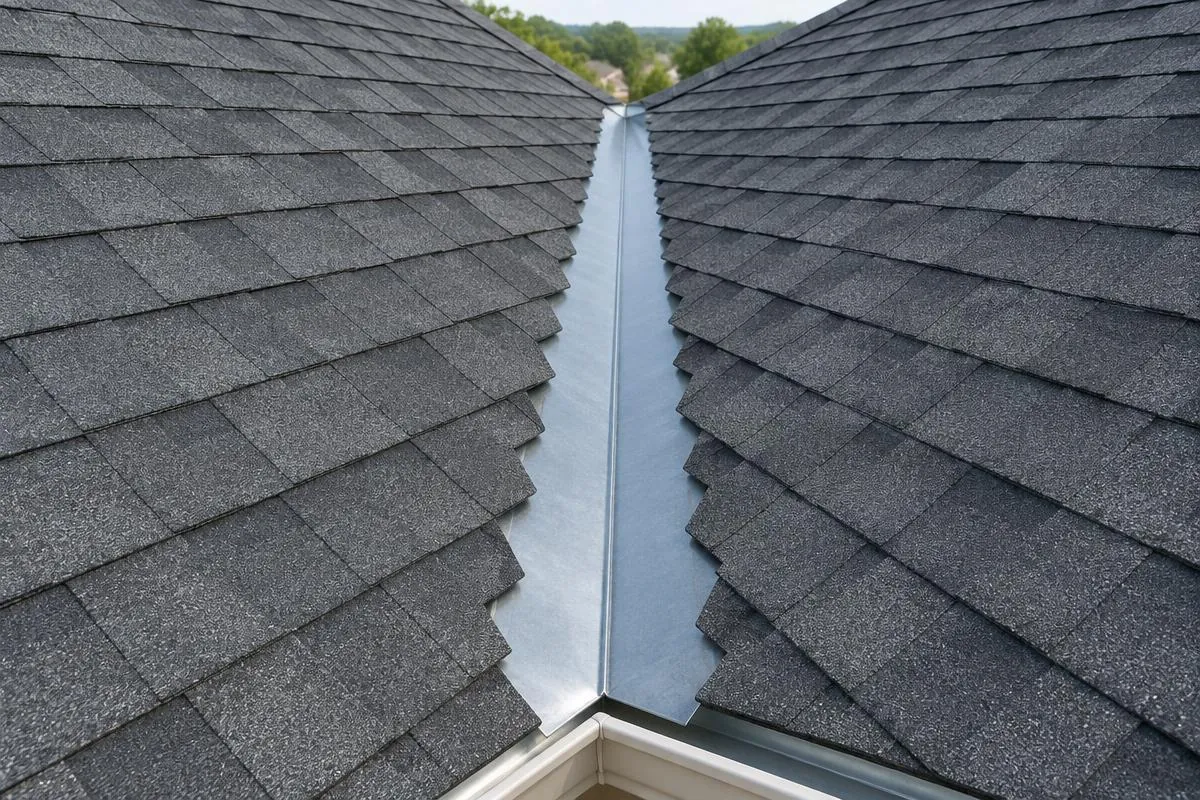
A roof valley is the inside corner where two roof slopes meet. It is easy to miss from the yard. When a leak shows up below that spot, ask for a valley review. It should follow the joint from the top down to where water exits. A patch at the nearest stain may not fix the whole area.
For your Peoria roof valley repair request, say which two roof sections meet there. Say which room shows the leak. Say if leaves collect there, or if another roof drains into it. These notes help the inspector. They do not tell you which part has failed.
Name the valley style on your roof
An open valley shows a metal channel between the two roof sides. In a closed valley, shingles cover that joint fully. IKO describes open, closed-cut, and woven styles. The right style depends on the roof product used. Visible metal alone does not mean a piece is missing.
GAF's guide also limits which valley style works with which shingle. Ask the inspector to name your current style, and the style they plan to use. If a bid changes your valley style, ask why. Ask how far the work reaches, and how the new joint meets the roof on both sides.
Valley review from top to outlet
- Upper roof junction
- Covering and valley detail
- Hidden underlayment and deck
- Eave outlet
Inspection sequence only; no predicted leak location.
Follow the whole water path
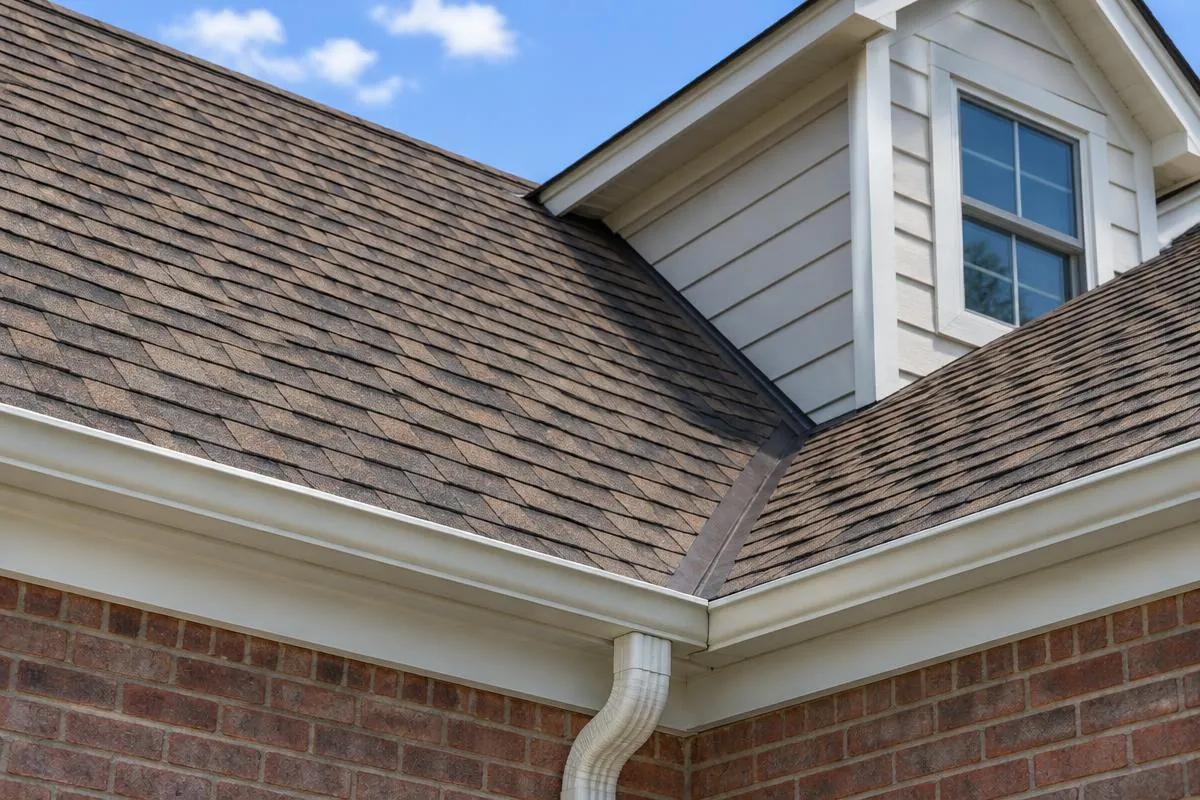
A good valley check starts above the leak and follows water down to the roof edge. Ask the roofer to note the top of the valley, its full length, and where it drains out. Include any wall, dormer, or roof window near that path. A dormer is a small roof section that sticks out from the main roof.
The record should show what was seen and what still needs to be opened up. A clear photo of the outlet may show a problem. It cannot show every hidden layer. Ask how the plan will change if the first spot opened does not match the indoor leak.
Separate debris removal from rebuilding
Cleaning out a valley and repairing it are two different jobs. If leaves or debris sit there, ask for a safe professional cleanout. Then ask to see the valley once it is clear. Do not climb a ladder or use a long tool to scrape it yourself.
Next, ask what is sound and what needs work. A cleaning quote is not a promise to fix flashing. A rebuild quote should say if it removes old patches, replaces valley material, and renews the roofing around it. Keep these as separate line items when you compare bids.
Request a Peoria roof valley review
Tell us what needs attention.
Why a thin line may need a wide repair
The valley line you can see is only part of the full build. The underlayment and the edges of the nearby shingles often reach further than you can see. GAF's valley details show these layers working as one system, not as a single visible strip.
This does not mean unlimited tear-off is fair. Ask for a sketch of the work area. Mark it on both roof sides. Ask which amounts are fixed, and which depend on hidden damage. Shingles nearby may be too worn to use again. Ask the bidder to explain that risk. Agree on how to approve more work.
Compare a valley fix with a new roof section
A repair can fix a set valley area and join clean roofing at its edges. A roof-section plan covers a bigger area. The choice should rest on the actual condition found, not a rule that every valley leak needs a new roof.
Ask for the reason behind each option. Can the roofing next to it still be used? Is a matching product easy to find? What changes at the wall or roof edge? Get the answer in writing. Two bids may have very different costs. Both may claim to fix the same leak.
Valley inspection agenda
Known facts and open questions
- Valley style
- Unknown
- Nearby feature
- Unknown
- Debris seen from ground
- Unknown
- Affected room and timing
- Unknown
- Identify the valley build before choosing a repair.
- Check where the roof planes meet at the top.
- Check the valley along its full water path.
- Ask which hidden layers need review if the area is opened.
- Review where water leaves the valley at the eave.
Use the worksheet to plan the visit
Pick the valley style if you know it. Name the wet room. Note when the leak began. Add notes about debris, nearby roof features, and past repairs. The worksheet builds questions about the top joint, the center run, hidden layers, and the bottom outlet.
Its flow chart shows what needs a look, not proof that your roof leaks there. If you do not know the style, the first step is to find out. Copy this list and ask each bidder the same questions. That beats comparing product names with no shared starting point.
Finish with a usable record of the new joint
Ask for photos before the valley is covered, and again once the roofing around it is done. Keep the product names and a marked work area with your invoice. Agree on how they will clear waste. Ask about plants and paths below the outlet.
If a new leak starts later, note the room. Note the weather too. Do these match the old leak? Keep your older photos to compare. Use our valley repair request when this is the only concern. Use our wider flashing page if other walls, chimneys, or roof openings also need a look.
Your questions, answered
Is exposed valley metal a sign of missing shingles?
Not always. An open valley is a planned build style. A roofer should name your roof product and valley type before saying metal means missing parts or poor work.
Can only the leaking spot be patched?
Ask if a small repair can join sound roofing around that spot. The leak you see may not show the full work area. Ask for a marked photo and an explanation of any tear-off.
Should my valley be changed from closed to open?
There is no single right answer. The best style fits your roofing product and roof shape. Ask the bidder to explain the product rules and why they want to change your current build.
Does a valley repair include gutters?
Only if it is written in the quote. Ask about the outlet into the gutter and any related work. Keep the valley repair and gutter work as separate items so nothing is assumed.