A winter leak needs more than an ice removal price
Water near an outside wall during snow melt needs a real look. Ask for help with the water now. Also ask why it may come back. Tell the roofer the room. Tell them the roof edge above it. Tell them when the dripping started.
Stay away from falling ice and snow. Do not climb on the roof. Do not hit the ice. Do not use heat on the roofing. If water is near plugs or lights, stay away and call for help. A ceiling that bulges or cracks needs quick safety help too.
Understand the melt and freeze pattern
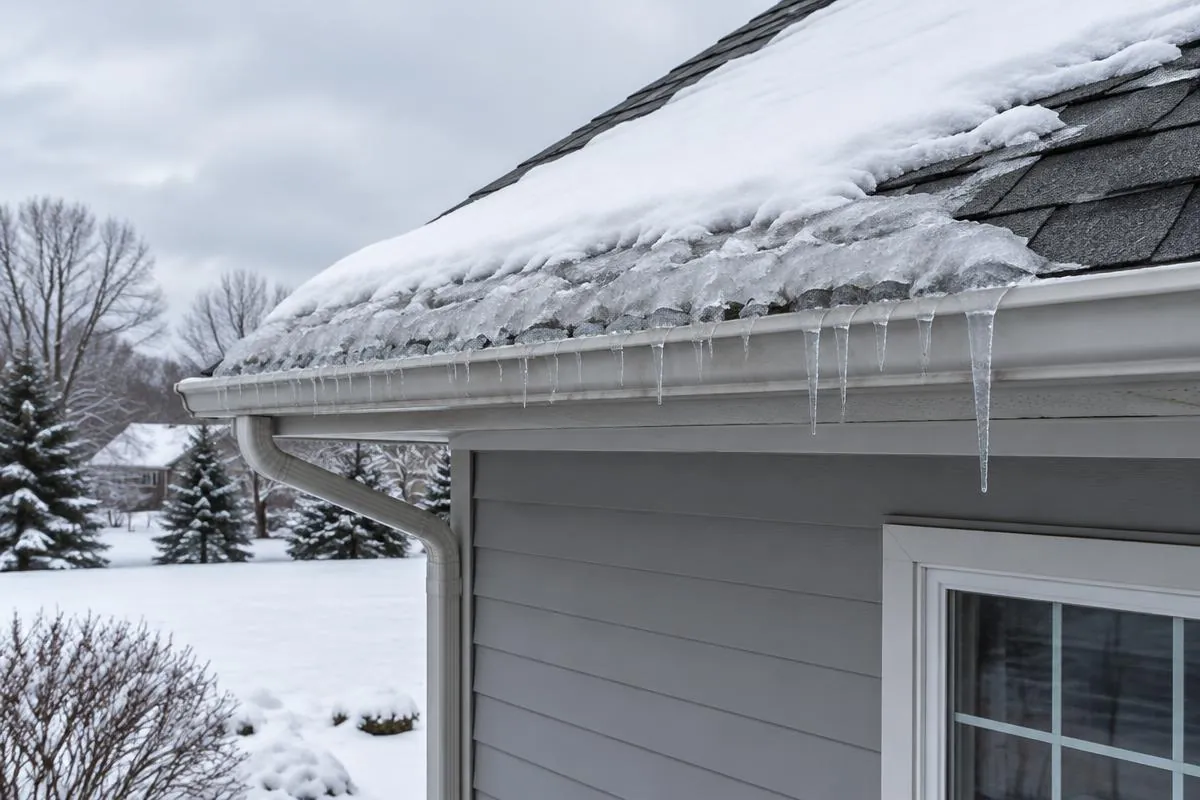
PNNL says snow can melt on a warm part of the roof. That water can flow down to a cold edge and freeze there. More melted snow can pool behind that ice. That water can then slip under the roofing. The same guide links this to air leaks, insulation, and roof design.
This does not mean every winter leak is an ice dam. A broken flashing piece could be the cause too. Ask the inspector to link the ice pattern, the roof part, and the leak inside. The goal is to find the real cause at your home. Do not just blame winter for every stain.
Winter leak review in two linked parts
- Record snow, thaw and room timing
- Inspect roof water-entry details
- Review attic air leakage and insulation
- Coordinate assembly-specific ventilation
- Document roof and attic scope separately
Review sequence, not a diagnosis.
Record the sequence while staying safely inside
Write down when the snow fell. Write down when you first saw the drip. Note if it felt warmer before it started. Use real facts or weather records. Keep guesses in a separate note. A photo through a safe window can show the eave without anyone going near the ice.
Mark if the leak starts during rain. Mark if it starts during a thaw. Mark if both happen. Note which rooms got wet. Note if that same spot leaked before. This timeline helps the roofer more than a photo taken after the ice melts away.
Separate temporary work from the lasting plan
If the leak is active, ask what safe temporary work is possible now. The plan should say the area it covers. It should say its limits. It should say when someone will check it again. A quick fix should never be called the final roof repair.
Keep receipts and photos from any pro work. Before anyone opens up walls or ceilings, ask what the full job covers. Ask if drying work is separate. Weather can block full access to the roof. Ask what questions are still open. A rushed visit may not answer everything yet.
Review the attic boundary, not just the vent count
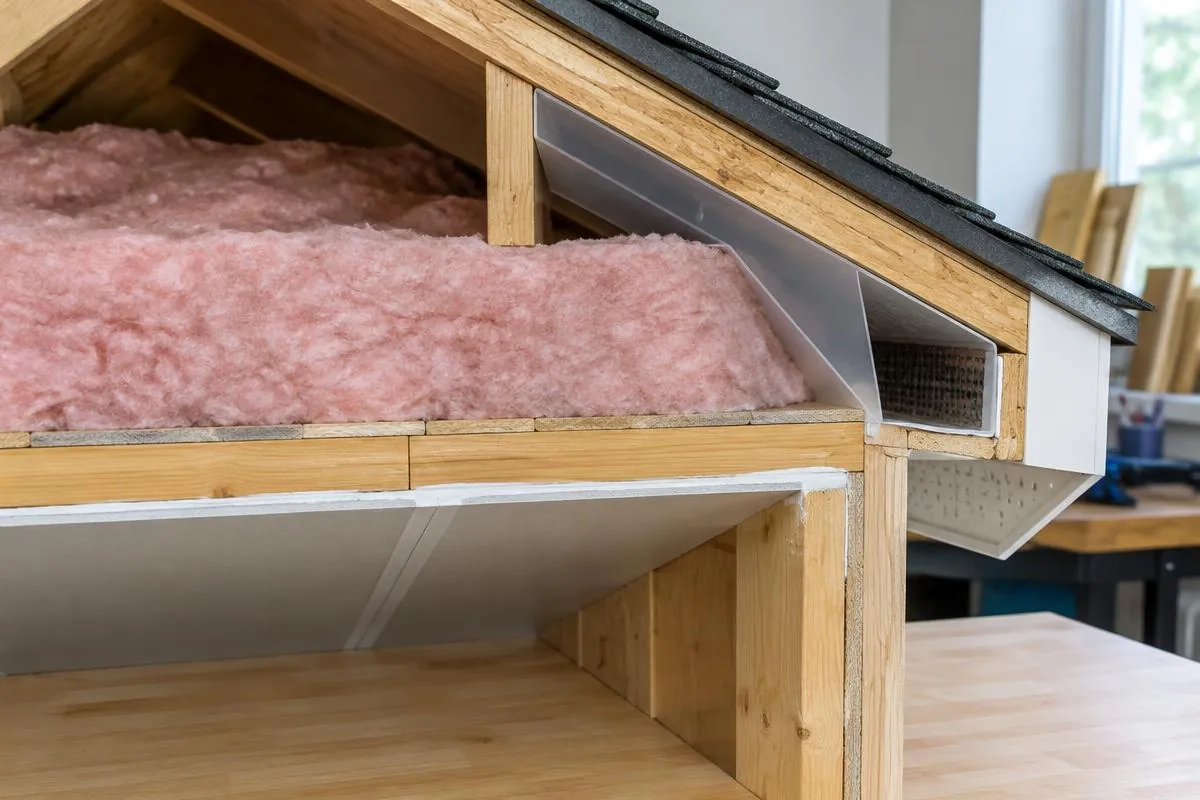
The next step may be looking at the line between warm rooms and the cold attic. PNNL says air sealing, insulation, and the right roof vents work together to stop ice dams. One new roof vent alone will not fix the whole problem.
Ask which trade checks the air leaks and insulation. Ask how their findings connect to the roofer's plan. Let the experts decide the exact changes needed. Every roof shape is different. A vent size or insulation depth that worked at another house may not fit yours.
Request Peoria winter roof leak help
Tell us what needs attention.
Define the eave work while the roof is open
A roof bid may cover work at the eaves, valleys, or other wet spots. Ask the bidder to show the exact work area. Ask them to name the materials used, like underlayment and flashing. Local building rules also matter here.
If the repair opens part of the roof, ask how hidden damage will be handled. Ask how new materials will connect to the old roof. The best comparison is between two full, clear plans. It is not between two guesses about one unclear patch of ice shield.
Winter leak event log
Known facts and open questions
- Observation date
- Unknown
- Affected room
- Unknown
- Observed timing
- Unknown
- Ice seen safely
- Unknown
- Immediate hazard
- Unknown
- Ask for a roof water-entry check based on the recorded timing and room.
- Review the eave and attic system together, including air leaks and insulation.
Use the winter leak log to plan the visit
This simple tool keeps one entry for each leak event. Add the date, the room, the weather, and any safe snow or ice you saw. It sorts facts into roof questions, attic questions, and things you still need to check.
A thaw-related entry adds a question about the eave and the attic system. A rain-only entry points to normal roof leak spots. Neither one gives a final answer by itself. Print this log before your visit. It helps the inspector see facts that may be gone by then.
Check the whole plan before the next winter
A finished repair record should list the roof work apart from air sealing, insulation, or vent work by other crews. Ask who is in charge of each task. Keep before photos. Keep a short list of spots no one could check.
At the next thaw, look at the same rooms and roof edges from a safe spot. New facts may come up later. One dry event does not mean the problem is fixed for good. Start a Peoria winter leak request with your timeline. Use the attic condensation page if moisture shows up with no snow melt or rain.
Your questions, answered
Do icicles prove that my roof has an ice dam leak?
No. Icicles are just something to record safely. The inspector must link the roof and the leak inside. Never stand under icicles to get a closer photo.
Will new gutters solve the problem?
You cannot tell that from one ice photo. Ask for a full check of the roof edge, drainage, and attic. Any gutter work should fit into that bigger plan.
Can extra roof vents fix winter leaking?
Vents may help, but only as one part of a full plan. That plan should also cover air leaks and insulation. Ask why each change fits your actual roof.
What information helps when the ice has melted?
A dated leak log helps a lot. Safe photos and room names help too. Note if the leak came with snow melt, rain, or both. List any past winter repairs and what they changed.