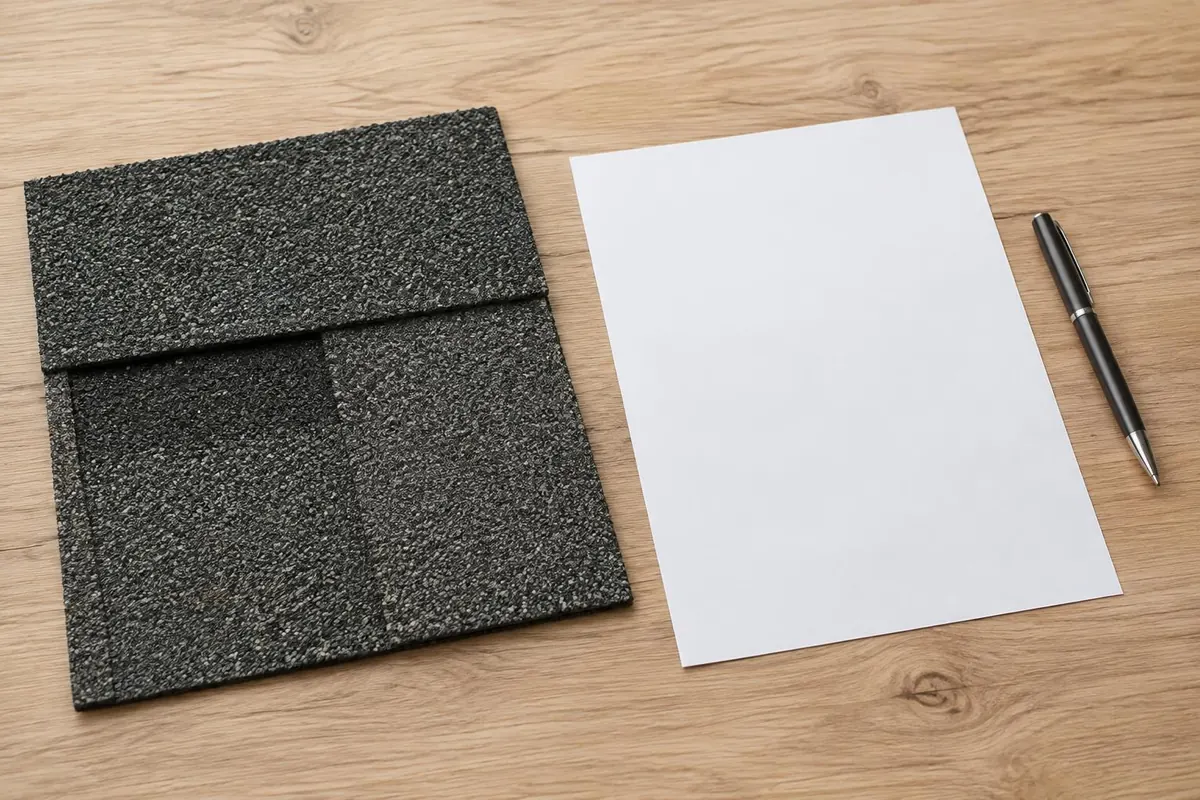
Start with the exact impact-rated product name
Hail protection may be part of your new roof plan. If so, ask for the full shingle name and a current product sheet. Impact-resistant is a broad sales term. The test standard and class tell you the real facts. Keep that record with the roof plan and the price.
Next, compare the rated product with your base choice. Make sure both include the same roof area, flashing, vents, and cleanup. An impact upgrade should be one clear pick in a full roof plan. It should not leave other details unclear.
Read Class 4 as a test result, not a promise
UL 2218 is a lab test. It uses a steel ball to test roofing. Class 4 is the highest class in that test. GAF says passing this test does not promise a real hailstorm will leave your roof undamaged.
Keep the words UL 2218 next to the class when you compare products. If a different test is listed, write down that test's name too. Do not treat two test systems as the same just because the sales words sound alike. The product sheet should match the exact shingle you are buying, not a similar one.
Four separate checks for an impact upgrade
- Named product
- Test standard and class
- Applicable warranty
- Insurer reply if relevant
Each check feeds a review record; no arrows imply that a rating guarantees warranty coverage or a discount.
Separate hail, wind, and water concerns
A hail rating does not tell you everything about a roof. Wind details, roof slope, fastening, flashing, and the layers under the shingles still need their own check. Ask your roofer to show these items in the plan, not just one badge.
If your roof already leaks, describe where before you talk about an upgrade. A stain near a chimney and a damaged shingle in the field can need different fixes. The impact label cannot find the leak for you. Keep your current repair need apart from the features you want in a future roof.
Request an impact-resistant shingle review in Peoria
Tell us what needs attention.
Find the warranty limit before you sign
Read the warranty for the exact product you plan to buy. GAF says on its Class 4 page that hail damage is not covered by its limited warranties. This is a real limit for GAF products. Do not assume it is true for every maker. Read each offer on its own.
Ask your roofer to separate product coverage from workmanship coverage. Ask who checks a concern, what records you need, and if labor is covered for a defect. A spoken promise about storm safety should never replace the real document. Keep a copy of the terms with your bid.
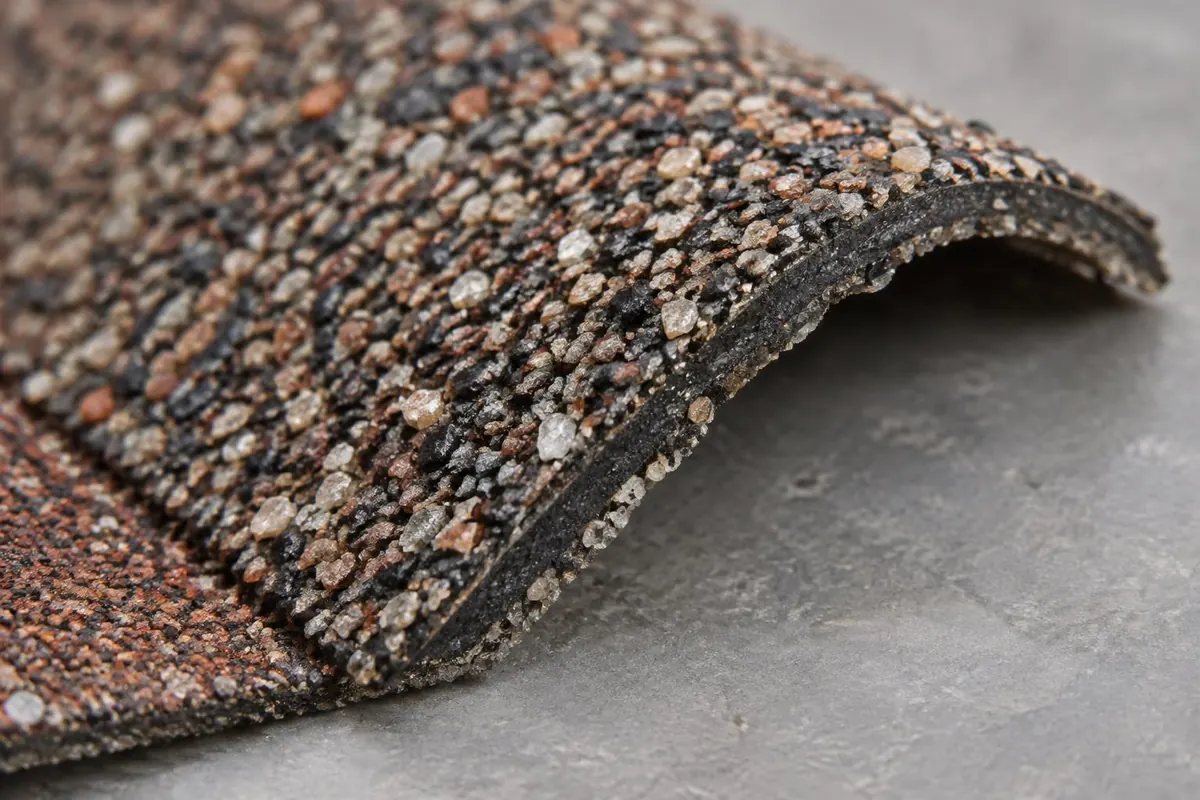
Check any insurance discount with your insurer first
An insurance discount might be one reason you want to upgrade. If so, check with your insurer before you pick a roof. GAF notes that discounts are not guaranteed. They can change by insurer and state. Do not treat a sales guess as a real saving.
Ask which exact products qualify, what proof you need, and when a change would start. Ask if any other policy terms would change. Write down the date and your insurer's written answer. Leave the discount blank until you have a real answer. This tool does not read your policy or guess a savings.
Keep the upgrade cost clear and honest
Ask for two totals on the same job: the base product and the impact-rated option. Ask if any extra part, disposal, or warranty change sits inside that price gap. List each difference so you know what the upgrade truly covers.
Then decide what this feature is worth to you. You do not need to guess a payback time from unknown storms or a discount. A roof that costs more may still be the one you want. This choice gets easier once the cost, the product, and the limits are in one place.
Impact upgrade verification
Stays on this page only. Nothing is sent or saved.
Build a short list of product and insurer questions
This tool has four parts: product name, test proof, warranty review, and insurer reply. Mark each one as recorded, missing, or not needed. It gives you a short list of open questions, not a roof score. Use this list while you review a bid.
After a storm, write down what you see from a safe spot on the ground. Do not climb onto the roof to check the rating. A trained inspector can check the real condition. Save your product records and dated notes. Future questions can then rest on facts, not the upgrade's name.
Ask for the feature without skipping the full roof review
Name the rated product you want, or say you want rated options compared. Add any known leak or repair history and which roof sections are involved. Ask for the extra cost to be shown apart on a matched job plan. This gives your roofing request a clear goal.
After a storm, write down what you see from a safe spot on the ground. Do not climb onto the roof to check if the rating worked. A trained inspector can check the real condition. Save your product records and dated notes. Future questions can then rest on facts, not just the name of the upgrade.
Your questions, answered
Does Class 4 mean a shingle is hailproof?
No. It is a result from one lab test. Real storms and how the roof is installed still matter. Use the rating as one fact about the product. Then read the warranty and install rules for your exact choice.
Will my insurer lower my premium for this upgrade?
Only your insurer can confirm that for your policy and your product. Ask before you buy, and keep the written answer. Do not treat a general maker statement about discounts as approval for your home.
Does a thicker-looking shingle prove it has an impact rating?
No. Looks are not proof. Ask for the product name, the test standard, and the class shown on a current sheet. Keep a copy so you can check the delivered product against what you picked.
Should I replace a sound roof just for this feature?
A rating alone does not answer that. First check your roof's current shape and your own goals. Compare a repair plan with a new roof plan if both are offered. Then weigh cost and scope without guessing about future storms.