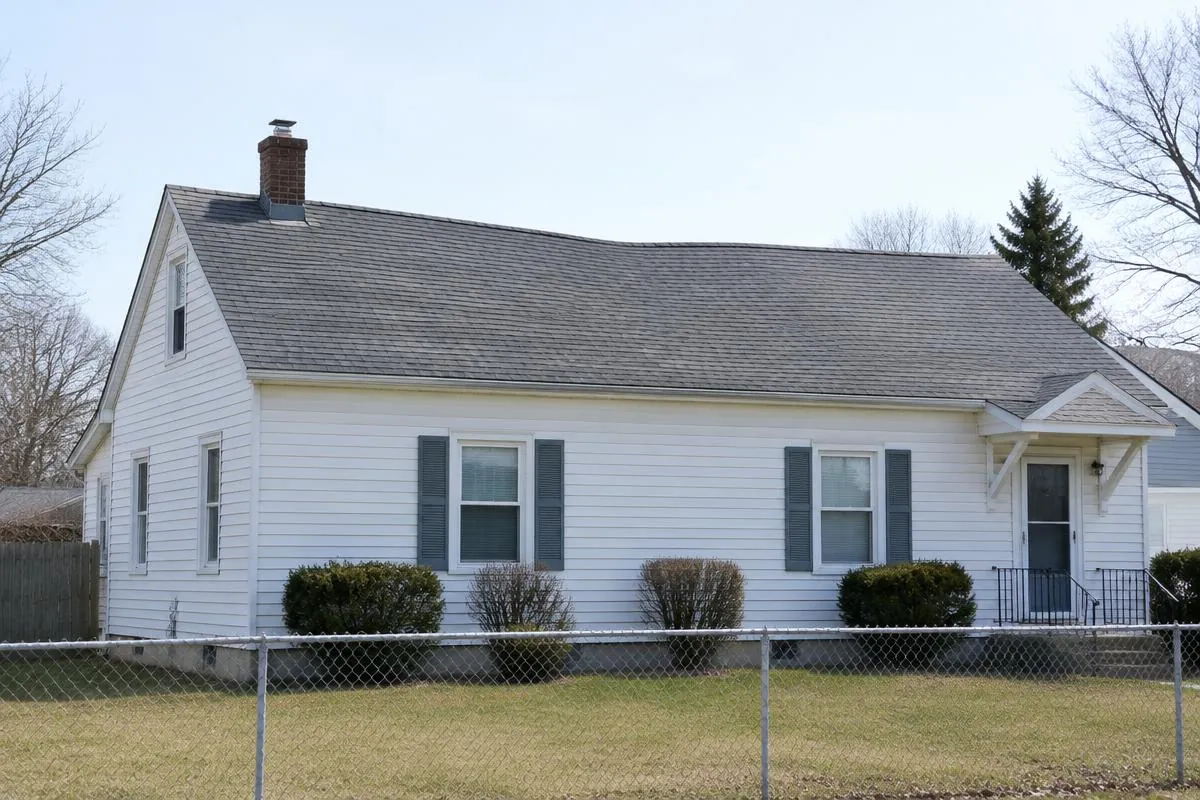
A changed roofline deserves prompt attention
A new dip in the roof needs a quick check. A moving ceiling needs a quick check too. First, keep people away from that spot. Do not climb onto the roof to test it. Do not go into the attic under a weak-looking area.
If movement is sudden, you hear cracking, see falling material or think collapse may be possible, leave the building and call emergency services from a safe place. Roof or ceiling sagging during a snow event also calls for leaving promptly and getting an urgent assessment from a qualified structural design professional. A roofing request form is not the right route for urgent help. Other roofline observations still need prompt professional review.
Observation to assessment
- Immediate warning signs: leave and seek emergency help
- No immediate signs reported: prompt professional assessment
- Written finding
- Separate structure, deck and roof-covering scopes
No safe-load or occupancy verdict.
Describe the shape without naming a cause
Say what changed. Say where you see it. Useful words are: a dip, a low ridge, a bowed ceiling, or a crooked edge. Note if this is new. Or if it is just new to you.
A street photo can show shape. It cannot show the real cause. The cause could be the roof surface. It could be the deck below it. It could be the frame. It could be another part of the house. Do not call it rotten rafters. Do not call it foundation movement. Wait for a qualified report first. A plain, honest note helps more than a guess.
Keep roof covering and structural work separate
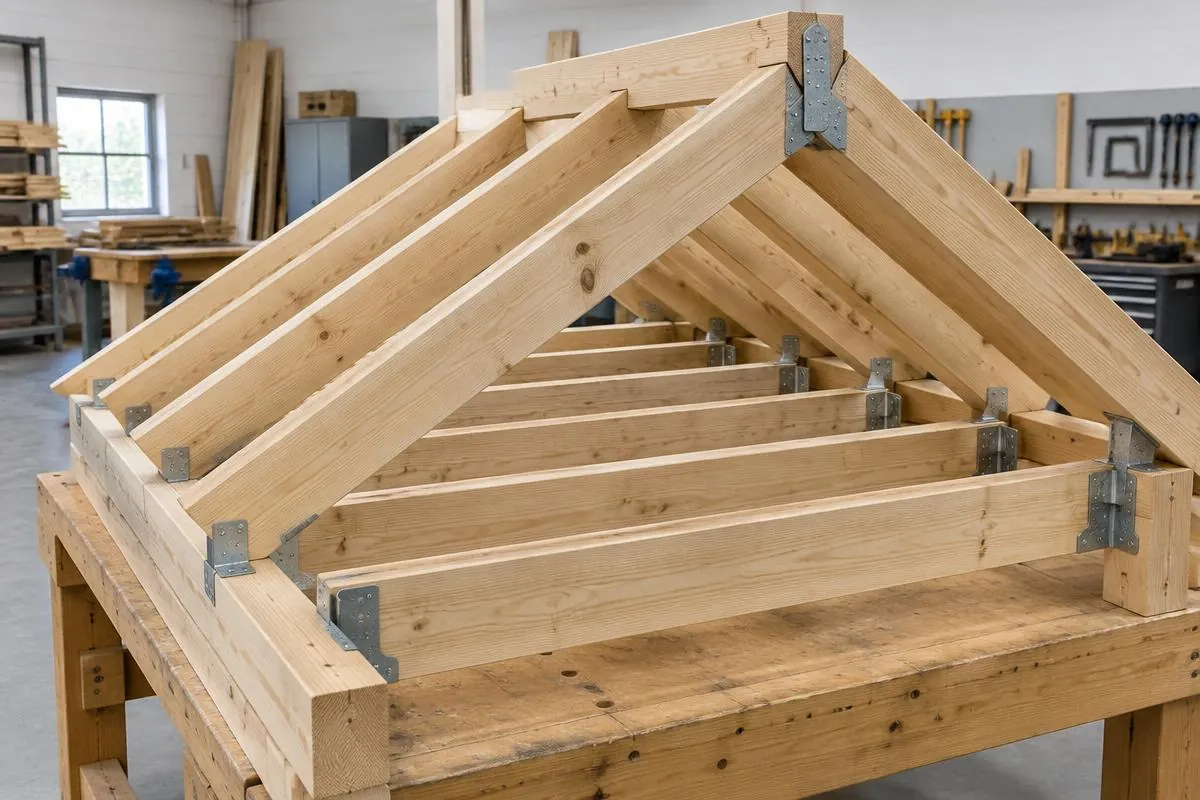
New shingles cannot fix a weak frame. First, find out which part is affected. Then find out who is qualified to check it. APA treats roof sheathing as one part. The framing below it is a different part. Damage to one does not always mean damage to the other.
Ask if you need a structural engineer. Or ask if you need another qualified pro. Do this before any roof work gets priced. If someone offers to check, ask what that includes. Will they visit the site? Will they take measurements? Will they give a written finding? Will they give a repair plan if needed? Do not accept a safety answer based on one online photo.
Describe a Peoria roofline concern
Tell us what needs attention.
Treat snow-related warning signs seriously
FEMA lists roof or ceiling sagging and cracking or popping sounds among warning signs during a snow event. If these signs appear, leave the building promptly and contact a qualified structural design professional for an urgent assessment. Call emergency services from a safe place if collapse may be imminent. These signs do not provide a safe load number.
Do not guess safety from snow depth. Do not guess safety from a neighbor's roof. Do not trust an online tool for this. Every roof differs in shape and strength. Leave snow removal to qualified people with a safe plan. If the problem began after snow or ice, write that down. But do this only once everyone is safe.
Make a safe observation record
Stand in a safe spot outside. Write the date. Write which side of the house. Write what you saw. An older photo from the same angle can help. It can show if the shape changed over time. Keep the real photos as they are. Do not draw lines on them.
Do not go under a weak ceiling just for a better photo. Maybe you have notes about water stains. Maybe you noticed a recent impact. Maybe doors no longer fit right. Share these notes. Let the inspector judge what matters. Never risk safety just to get one more photo.
Ask what happens before repair begins
A safe work plan comes first. This is before anyone enters the roof. This is before any material gets stored. This is before the roof gets opened. OSHA's tarping guide says to check roof strength first. Check this before workers step on a damaged roof. This matters when someone wants to add temporary cover.
Ask who decides if roof access is safe. Ask how that affects the work schedule. Do not place heavy material on the roof. Do not try any do-it-yourself bracing. Leave support and repair work to qualified people. They know your building's real condition.
Safe roofline observation log
Known facts and open questions
- Immediate warning signs
- Unknown
- Location seen from safety
- Unknown
- When first noticed
- Unknown
- Related event if known
- Unknown
- Arrange a prompt assessment by a qualified professional. No warning signs reported does not mean the structure is safe.
- Avoid roof and attic access. This record does not decide safe load or occupancy.
Build a repair scope from the assessment
Once a pro checks the roof, ask for a written plan. It should list structural work apart from deck work. It should list the roof covering apart from both. Include any engineering papers you get. Include any permit steps needed for your address. A city name alone does not grant approval power.
Maybe the plan changes once work starts. If so, ask for a change-order record. Use the same kind used for other roof jobs. Keep every document. Keep them from the first check to the final roof cover. This record protects you if questions come up later.
Use the log to ask for the right help
The observation tool records the location, when it was noticed and any warning signs. It never grades structural safety. Sudden movement, falling material, concerning sounds, possible collapse, or roof or ceiling sagging during a snow event put the safety message first. The tool does not present an ordinary service request as the next step for those warnings.
For other notes, it builds a short brief. It asks for a fast professional check. It leaves unknown items open. Use this record for your Peoria roofline concern. After the check, our roof decking page can help. Our roof replacement page can help too, for any weatherproof work that follows.
Your questions, answered
Does every uneven roof need structural repair?
No single rule can say that from far away. Some issues involve only the roof surface. Others involve the frame below it. A proper check should find the cause first. Then it can set the right size of job.
Can I go into the attic to check the rafters?
No. Stay out if you suspect instability. Stay out if the ceiling below seems to move. Do not stand under that spot for photos. Let a qualified person check the structure safely.
Will replacing the roof covering remove a dip?
That depends on the real cause. Ask if the plan covers only roofing material. Ask if it also covers the deck and frame. A new roof surface does not prove a frame problem is fixed.
Can the worksheet tell me it is safe to stay?
No. It cannot assess occupancy safety or predict failure. Sudden movement, cracking, falling material or possible collapse require leaving and seeking emergency help. Roof or ceiling sagging during a snow event also requires leaving promptly and an urgent qualified structural assessment. Do not rely on the worksheet for permission to stay.