Save the slate that still works
One broken or slipped slate does not tell you about the whole roof. Start with a slate check. It should look at the stone, the attachment, and the nearby flashing. Check each part on its own. Ask what can stay. Ask what must change. The next step is a repair plan. It should be based on what was found, not just the roof's age.
Tell the roofer where you saw the problem, when the leak shows up, and if any repairs were done before. Only let people with the right gear and slate skill walk on the roof. Ground-level photos and old roof records can help the roofer plan the visit without risking more damage.
Map each problem before you pick a repair
Mark each problem on a simple roof sketch. This could be a missing piece, a slipped row, a leak near a chimney, or old patches. One single problem is different from several repeated problems. Ask different questions for each. Write down dates. Do not guess what caused the damage.
The National Park Service's slate guide says to record roof details before work starts. This helps keep both useful building facts and the roof's look. Ask for a wide photo plus a close-up of each problem. Keep these photos sorted by roof area so a repair plan is easy to follow.
Check the stone and its attachment separately
The slate stone can crack or wear down. Its nails or other attachments can fail on their own too. The inspection should say which one was found. One loose piece does not mean every slate is worn out. A stone that looks fine may still sit on a bad attachment.
Ask the roofer what parts of the roof they could see, and what stayed hidden. If a small opening is needed to learn more, agree on its size first. Agree on weather cover too. The result should tell apart what was seen from what still needs a check.
Request slate roof repair in Peoria
Tell us what needs attention.
Match more than just the color
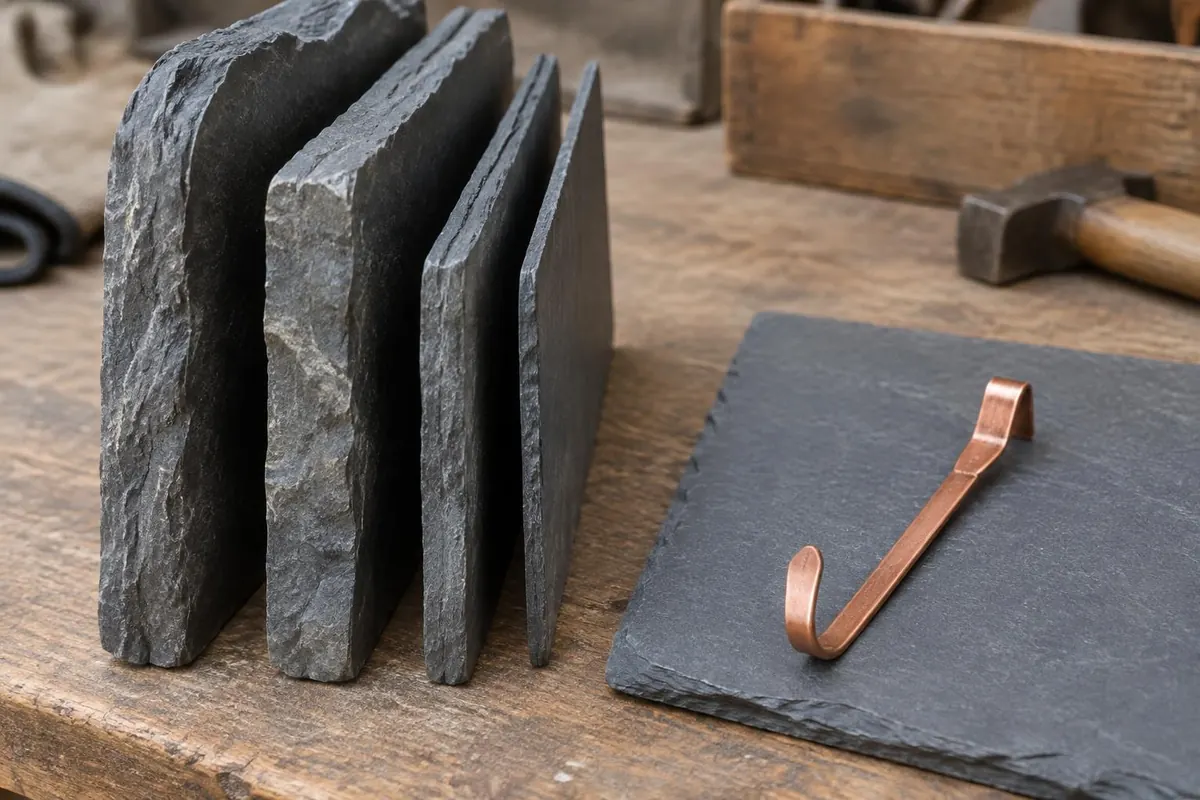
A repair piece needs the right size, thickness, texture, and shape. It also needs to show the right amount in the row. North Country Slate lists matching material as a key part of slate repair. A similar gray color alone is not a good match.
Ask to see a sample. Or get a clear description of the match before you approve a visible repair. Ask if the new stone is new or reused. Ask how its condition will be checked. If an exact match is not possible, ask where the difference will show. Write the agreed look into the plan.
Three parts of a slate repair
- Observed roof area
- Stone condition
- Attachment condition
- Flashing condition
- Retain, repair or investigate each part
Observed area branches into three independent assessments that join only at a written work scope.
Give flashing its own repair plan
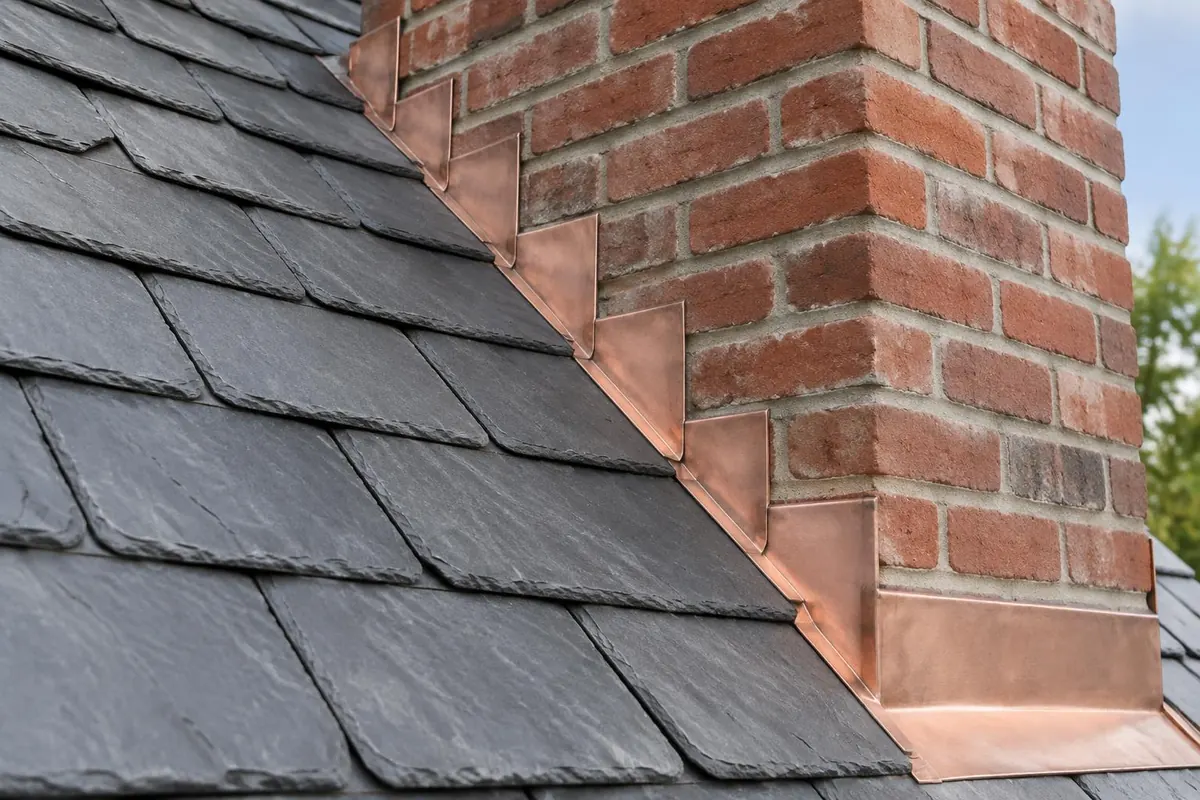
Metal flashing covers joints at chimneys, walls, valleys, and other roof changes. The NPS guide treats slate and its flashing as one system. A leak at a joint may need flashing work even if the nearby stone is fine.
Ask how much slate must be lifted to reach the joint. Ask how reusable pieces will be stored and put back. Compare a surface patch with a deeper repair. Ask why one was picked over the other. Make sure the bid names any chimney or brick work for another trade. A smear of sealant should not hide an unclear plan.
Compare a small fix with a bigger plan
A small repair bid should list the spots and the number of pieces needed. It should say how new problems found during work get handled. A bigger plan should explain what proof makes more work needed. Ask if the issue is scattered broken stone, repeated attachment trouble, a long flashing run, or something else.
Our worksheet does not use a percent of broken tiles to decide the roof's future. It takes your concerns and turns them into questions for each choice. If the cause is still unclear, ask for more proof before picking a bigger job. An honest unknown is better than a quick answer based on a few photos.
Slate intervention worksheet
Stays on this page only. Nothing is sent or saved.
Protect fragile slate during the work
Slate roof work needs a plan that limits contact with the stone. NPS says to avoid walking on slate where you can. Ask how the roofer will reach the repair, protect the good areas, and keep people away from anything that could fall below.
Before work starts, agree on where removed pieces will go. Agree on who keeps any extra slate. Ask how an open spot will be covered if work stops for the day. These small details matter for your property and for the repair. Settle them before any material is lifted.
Keep a slate repair record for later
Your request should name the problem you saw. Say you want to keep sound material where you can. Include past work and any pattern you want to keep. Ask for a written list. It should cover stone, attachment, flashing, access, and possible extra work. This helps you spot real slate skill, not a generic roof patch offer.
For an older or historic home, check if you need approval before changing visible roof details. The City of Peoria permit page is a good place to start; always check your property's real local rules. When work is done, keep the repair spots, material details, and photos with your home records for the next check.
Your questions, answered
Does one slipped slate mean I need a new roof?
No, one problem spot does not decide that. Ask if the cause is the stone, its attachment, or the support below. Ask if the same problem shows up elsewhere. A good repair plan should explain the full roof condition, not just one loose piece.
Can a roofer use any slate that is the same color?
Color is only part of the match. Size, thickness, shape, texture, and row layout matter too. Ask to see the planned replacement piece and how it will fit your roof.
Can flashing be replaced while the slate stays?
Sometimes, depending on access and the condition of the pieces. Ask how much stone must be lifted, how reused pieces will be checked, and what covers broken or unsound pieces. The roofer should explain the plan for your specific joint.
Should I climb up to count damaged pieces myself?
No. Stick to safe, ground-level views and photos. Slate can crack under foot traffic, and climbing a roof is risky. Let the inspection find the repair count and record the roof's condition.