Get a scope before you look at price
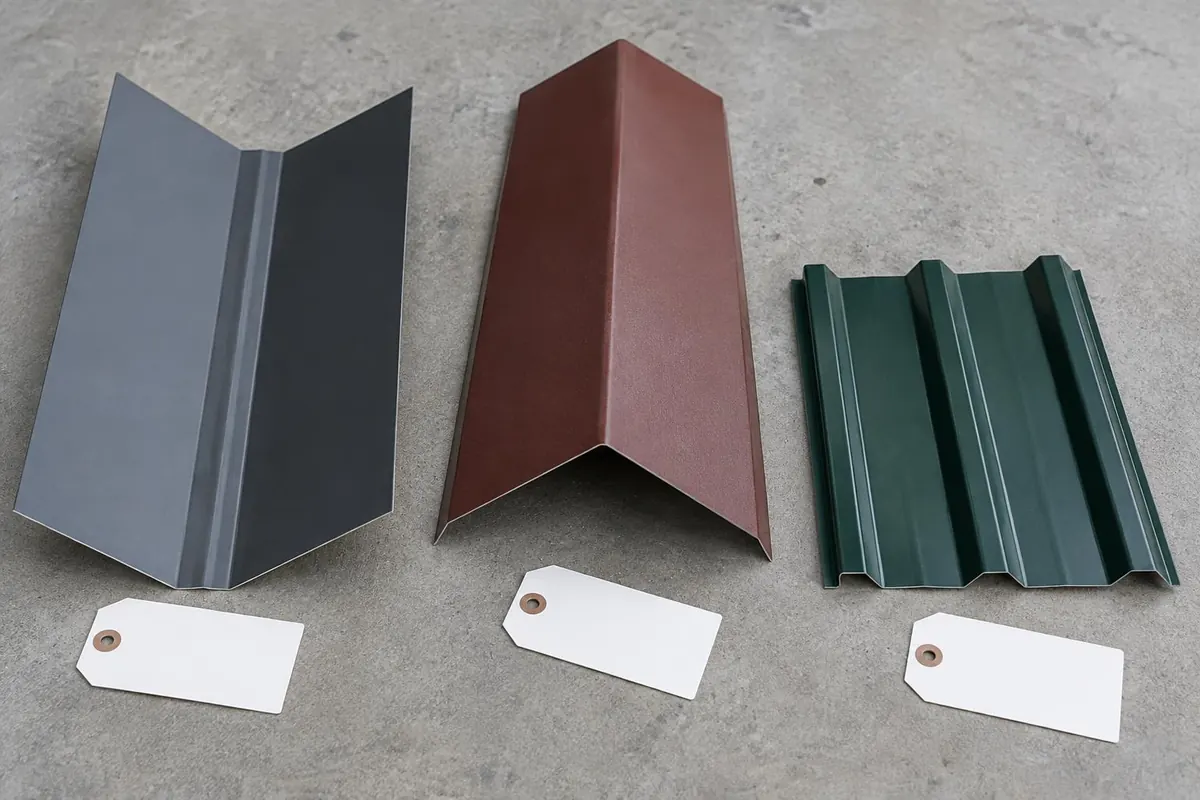
A metal roof price means little alone. You must know what it covers. Ask for a written scope. It should list the panel type, the roof area, the tear-off plan, and work at each roof joint. A price from another home cannot answer this for your roof.
Use the tool below to compare numbers you already have. It will not give you local rates. It will not guess a total from your address. If you have no measurements yet, ask for a scope first. Getting the area right matters more than picking a number from a wide online range.
Use roof area, not house size
Your home's floor space is not its roof area. A sloped roof covers more space than the floor below it. Ask which parts were measured. Find out if the garage or porch is counted. GAF says roof size, slope, and shape all affect cost. Write down the area from your actual bid.
Keep the material order apart from the roof area. Cut pieces can raise the amount bought. If a quote lists roofing squares, each square equals one hundred square feet. Ask if the number is a measured area or an order amount. Use the same basis for every bid you compare.
Separate the panel choice from the whole job
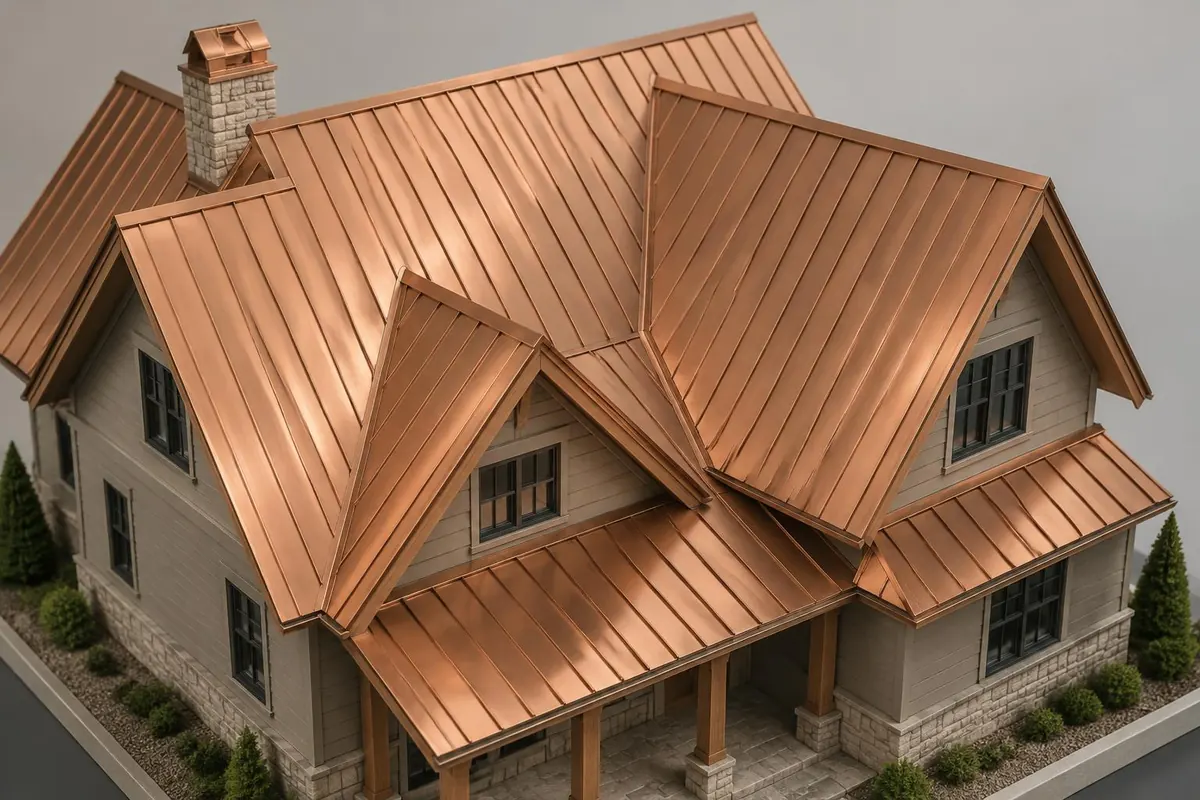
The offer should name the panel shape, how it attaches, the metal type, and its finish. Standing seam and exposed-fastener panels attach in different ways, Sheffield Metals explains. That changes the work involved. It does not mean one type always costs more.
If you compare two panel types, ask for the same tear-off and flashing work on both. List any finish upgrade on its own line. A metal sheet price is not a full roof price. It may skip underlayment, clips, trim, and labor. Do not turn a raw material rate into a full quote yourself.
Request a metal roof bid review in Peoria
Tell us what needs attention.
Find every roof joint that needs custom work
A plain roof and a roof with many corners can share the same area. But they need very different work. Mark the valleys, wall joints, chimneys, and slope changes on a simple sketch. Ask the roofer which details are in the price. Ask which ones need a different trade.
Also ask about roof access. Is there room to drop off material and haul away debris? Are there tight yards near the house? These questions explain the job. They should not invent a fee for every small step. If access raises the price, ask for a plain reason why.
Quoted base and your allowance
- Enter the measured roof area
- Enter each quoted total
- Add your own allowance range and reason
- Compare base and range side by side
The worksheet below draws a bar for each bid from your numbers only. No local prices are built in.
Keep tear-off and hidden wood costs in view
A bid should say if the old roof will be torn off. It should say how many old layers are there now. It should say how waste gets hauled away. If the roofer wants to build over the old roof, ask if the new system allows that. Ask what checks it needs first.
If rotten wood turns up after tear-off, ask how that cost will be set. Ask who must approve it and if photos get kept. This cost may not be known in advance. A clear method still helps you follow any change. Keep these possible costs apart from the fixed price. Do not mistake the base total for a final price.
Metal bid cost comparison
Stays on this page only. Nothing is sent or saved.
Compare only figures measured the same way
Enter your roof area and each bid's total price. The tool divides the total by that area. It shows cost per square foot and per roofing square. It also shows the gap between bids. These are simple sums from your own numbers. They are not market rates or a ruling on fairness.
Mark whether the bids cover the same work. If they do not match, you will see a warning. Do not mix an order amount in one row with a measured area in another. If you lack a number, leave it blank. The tool will ask for it instead of guessing for you.
Show extra costs clearly, without guessing
You can add a low and high guess for extra work. Use only numbers from your own plan or a written offer. Give a short reason, such as wood repairs not yet known. The chart then shows the base price and the extra range apart. It will not call that range a likely final cost.
Compare payment steps, change rules, and exclusions outside the chart too. A low starting price with vague exclusions is hard to judge. Ask for a new total once open questions are settled. Keep the dated version of each offer. This stops old and new prices from getting mixed up.
Write a metal roof request you can check later
A clear request names the roof sections, the metal system you want priced, and any known leaks. Say if you want two panel systems priced for the same job. This gives the roofer a clear task. It gives you a fair way to compare answers.
For a Peoria home, the City of Peoria's permit page is the right place to start with permit questions. Confirm which city office covers your address. Find out who handles the needed steps. Then put that plan into the scope in writing. A mailing address alone cannot decide this for you.
Your questions, answered
Why isn't there an average Peoria price here?
A fair local average needs a clear source and matching work scope. Panel choice, roof shape, and hidden repairs can vary a lot. This tool uses your real quotes instead. The numbers stay tied to work you can check.
Can I use my house size instead of the roof area?
No, use the roof area from your bid instead. House floor space skips the slope and some roof parts. If you do not have a roof measurement yet, leave that field blank. Then ask your roofer for one.
Does the lowest price mean the best bid?
Not always. A low price can hide exclusions or a different way of measuring area. Compare the full scope and written terms first. This tool does not rank contractors. It does not judge roof quality.
Can I include a cost for possible wood repairs?
Yes, if you enter and label it yourself. The tool keeps that cost apart from the quoted base price. The low and high totals are planning numbers from you. They do not mean repairs will truly be needed.